This post was created using Generative AI; information may be inaccurate.
In today’s fast-paced, technology-driven world, unexpected correlations often emerge between different fields. One such fascinating intersection is between the world of fiberglass, 3D printing, and the art form of anime. While these three seem unrelated at first glance, there is a deeper connection that has created incredible possibilities in both fandom and industry. This blog will explore how fiberglass and 3D printing have contributed to anime culture, particularly in the realms of cosplay, collectibles, and animation production.
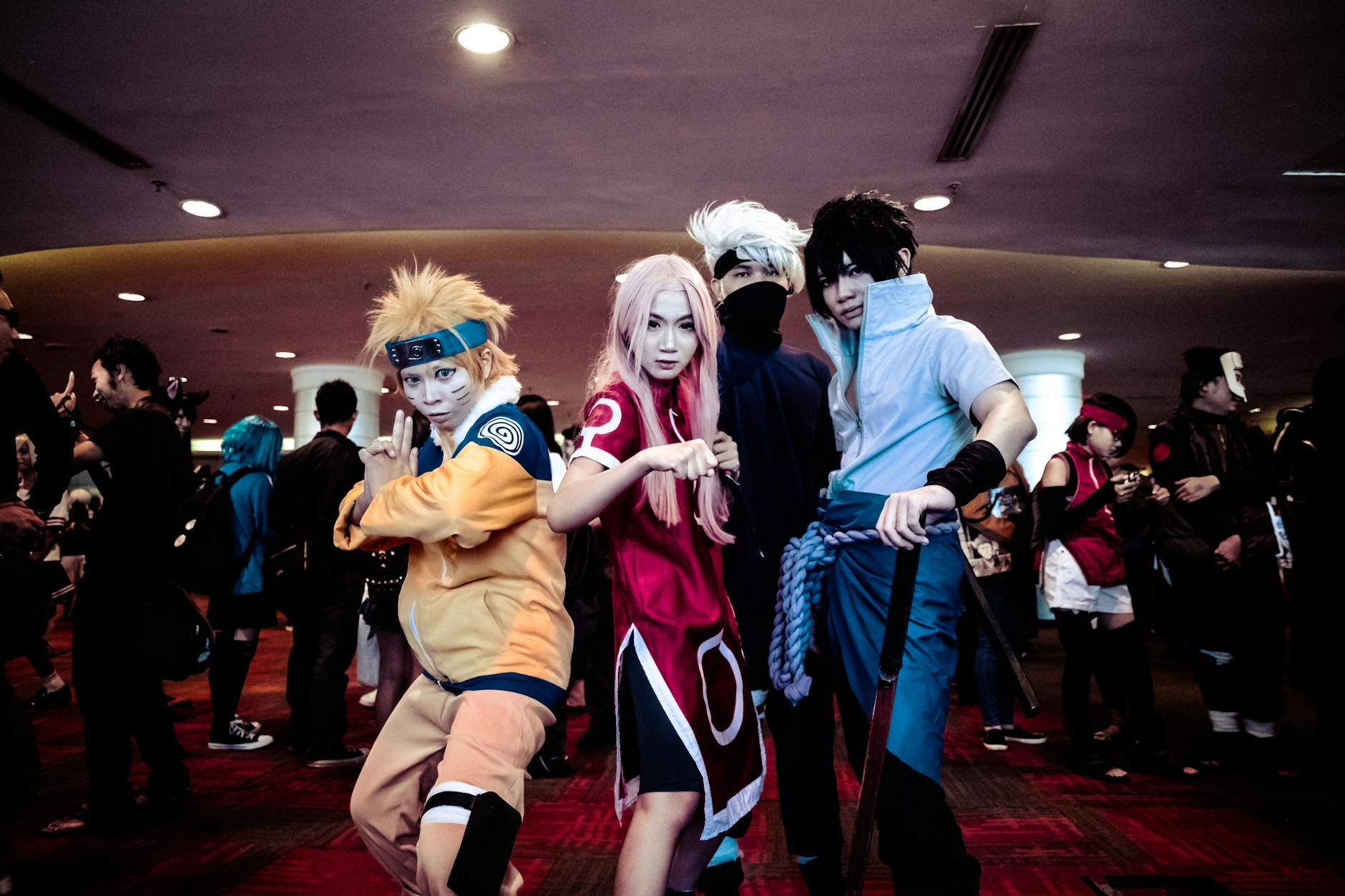
1. Cosplay Revolution: Bringing Anime to Life
Cosplay, or “costume play,” has long been a major part of anime fandom. Fans of popular anime characters often attend conventions dressed in meticulously crafted costumes, aiming for as much authenticity as possible. Here’s where fiberglass and 3D printing come into play.
Fiberglass in Cosplay:
For larger, more intricate costume pieces—think of suits of armor or elaborate weapon props—fiberglass is the go-to material. It’s durable, lightweight, and allows for the kind of detail that anime costumes demand. Many anime characters wear armor, wield giant weapons, or have robotic exoskeletons that need strong, yet flexible materials for creation. Fiberglass suits provide the strength and texture to bring these complex designs to life without weighing cosplayers down.
3D Printing in Cosplay:
Over the last decade, 3D printing has transformed cosplay. Anime fans can now print small, intricate pieces such as accessories, headgear, or specific weapon designs, which would be incredibly difficult to create by hand. Detailed objects like swords from Attack on Titan or armor parts from My Hero Academia are often created with 3D printers. Fans can take 3D models directly from the anime or design their own to print unique accessories, adding a high degree of precision to their cosplays.
2. Anime Collectibles: Custom Figures and Models
Anime has an enormous collectible culture, with fans purchasing figurines, statues, and even model kits based on their favorite characters. Fiberglass and 3D printing play critical roles in making these collectibles more accessible, customizable, and durable.
Fiberglass in Collectibles:
Fiberglass is often used in larger-scale statues of anime characters. These are usually produced for high-end collectors who seek durable, long-lasting display pieces. Fiberglass statues offer the perfect balance of weight, sturdiness, and detail, making them ideal for outdoor or high-impact display environments. The material allows for intricate design elements—such as the flowing clothes of Dragon Ball Z’s Goku or the fine mechanical parts of Neon Genesis Evangelion robots—that stay true to their on-screen counterparts.
3D Printing and Custom Figurines:
3D printing has democratized the world of anime figurine creation. Fans no longer have to wait for a company to release a specific character; they can now design or download a 3D model of their favorite character and print it at home. The ability to 3D print custom models has opened up new possibilities for anime enthusiasts, allowing them to create personalized versions of characters, modify existing designs, or print figures that are otherwise unavailable commercially. This has fostered a DIY culture within anime fandom, where 3D printing enthusiasts create and trade custom models.
3. Anime Production: From Sketch to Screen with 3D Technology
Although fiberglass doesn’t play a direct role in anime production, 3D printing has found its way into the animation industry. As anime becomes increasingly digital, animators have started incorporating 3D elements into traditionally 2D animations to enhance depth, fluidity, and realism.
3D Printing for Model Prototyping in Animation:
In some anime productions, 3D printed models are used to prototype characters or scenes. This process allows animators to visualize how characters would look from all angles before translating them into the animated world. For example, intricate mech designs seen in series like Mobile Suit Gundam often start as 3D models, allowing animators to plan out movement and mechanical functions.
Blending 2D and 3D Animation:
Many modern anime use a blend of 2D and 3D animation to create complex fight scenes, elaborate machinery, and vibrant cityscapes. 3D printing, although used behind the scenes, has helped bridge the gap between traditional anime aesthetics and cutting-edge technology. Shows like Attack on Titan use 3D technology to render movement sequences or towering structures while keeping the hand-drawn feel fans love.
4. The Future: Where Fiberglass, 3D Printing, and Anime Meet Next
The potential for fiberglass and 3D printing to shape the future of anime culture is vast. As 3D printing technology becomes more affordable, we may see entire conventions filled with 3D-printed cosplays, from armor to accessories. In the collectible world, fans may begin printing full-scale models of their favorite anime characters, using fiberglass for reinforcement, merging the two technologies for incredible detail and durability.
Virtual Reality (VR) Cosplay and Anime Worlds:
Another exciting possibility is the intersection of 3D printing and VR. Imagine attending a virtual anime convention where fans showcase their 3D-printed cosplay in virtual environments, all modeled after anime worlds. With advancements in 3D scanning and printing technology, fans could translate their virtual costumes into physical ones, made of fiberglass and other durable materials, blurring the lines between digital and physical fandom even further.
Conclusion
Though fiberglass, 3D printing, and anime might seem like separate entities, their growing connection is undeniable. From revolutionizing cosplay and custom anime figurines to transforming anime production, these technologies offer endless possibilities. For anime fans, the future holds exciting opportunities to merge their passion for the art with the latest innovations, bringing the fictional world of anime closer to reality.
If you’re an anime fan interested in cosplay or collectibles, or if you’re an industry professional looking into anime production, keep an eye on these technologies—they may just revolutionize the way we experience anime in the coming years!