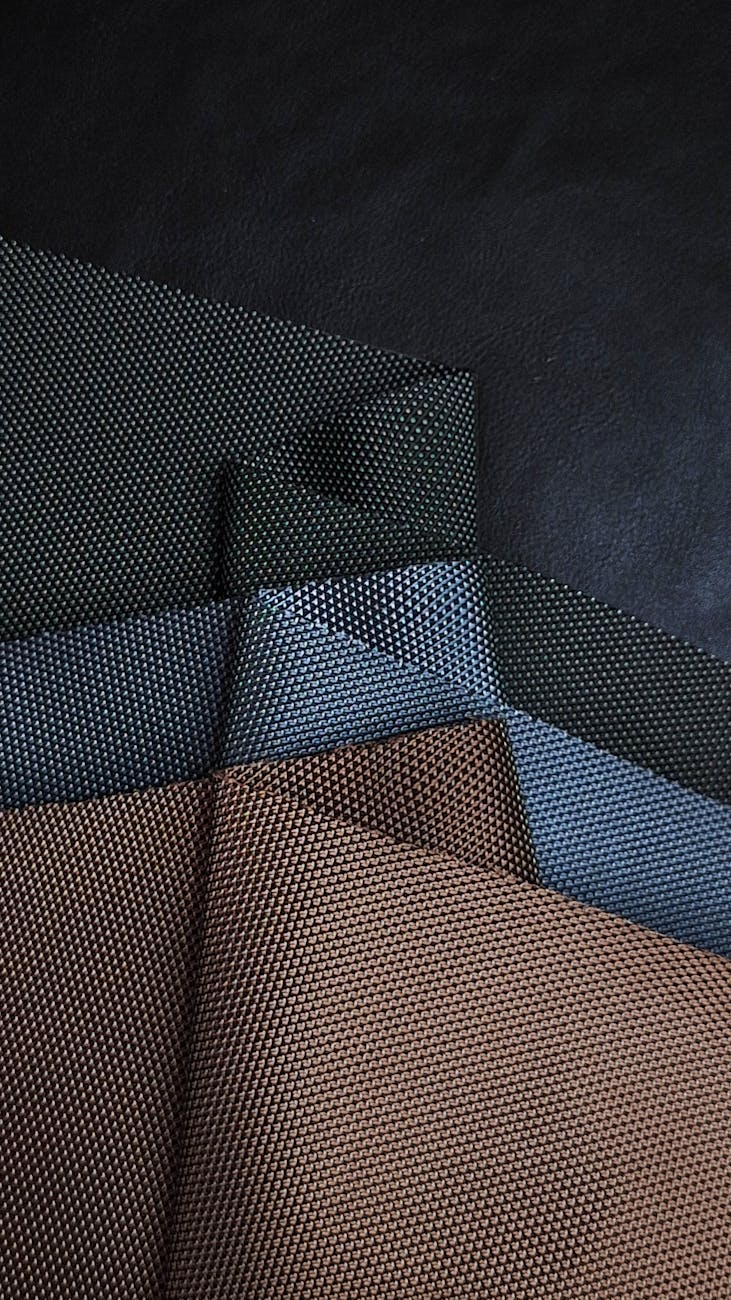
Hybrid composites are engineered materials that combine two or more reinforcement types within a single matrix system to achieve a better balance of performance, cost, weight, durability, or processability than a single-reinforcement composite alone. In many cases, the goal is simple: let one material contribute stiffness, another improve impact resistance, and another help control cost or weight. That ability to tailor performance is one of the main reasons hybrid composites continue to gain attention across multiple industries.
Hybrid Composites Types
One of the most common hybrid approaches is glass/carbon fiber. Glass fiber is often valued for its lower cost and solid corrosion resistance, while carbon fiber brings higher stiffness and reduced weight. When the two are combined thoughtfully, manufacturers can often create a laminate that performs better than a glass-only design without carrying the full cost of an all-carbon structure. Another familiar option is glass/aramid or carbon/aramid, where aramid fibers can help improve toughness and impact behavior. Basalt hybrids are also attracting interest as an alternative in some designs, and natural/synthetic hybrids—such as flax or hemp combined with glass or carbon—are increasingly studied for applications where sustainability, weight, and cost all matter.
Hybrid composites are not limited to one construction style, either. Some are built as interply laminates, where one layer may be carbon and the next glass or aramid. Others are intraply hybrids, where different fibers are mixed within the same layer or weave. The stacking sequence matters because it influences stiffness, impact response, failure behavior, vibration characteristics, and how damage progresses through the part. In other words, hybridization is not just about using multiple fibers—it is about arranging them in a way that matches the service conditions of the final component.
Hybrid Composites Benefits
The biggest benefit of hybrid composites is design flexibility. Instead of overbuilding a part with one expensive reinforcement, engineers can tune the laminate for the actual job. That can mean better strength-to-weight performance, improved fatigue behavior, better impact resistance, or a more practical balance between mechanical performance and budget. In some cases, hybridization also opens the door to using more sustainable materials while still maintaining acceptable structural properties. For manufacturers and end users alike, that flexibility can translate into longer service life, lower weight, more efficient material use, and smarter cost control.
Of course, hybrid composites are not a cure-all. Combining different reinforcements can create added complexity in fabrication, bonding, and quality control. Different fibers may behave differently under load, absorb moisture differently, or respond differently to heat and chemicals. That means the design, resin selection, layup strategy, and fabrication method all matter. A hybrid laminate that looks good on paper still has to be manufacturable, repeatable, and appropriate for the environment it will actually see in service.
Hybrid Composite Applications
As for applications, hybrid composites show up in a wide range of sectors. Aerospace and defense use them for lightweight structures and performance-driven components. Automotive manufacturers look to hybrids for weight savings and impact performance. Marine applications benefit from corrosion resistance and favorable strength-to-weight ratios. Sporting goods, wind energy, and construction materials also make use of hybrid laminates where tailored performance justifies the design effort. In industrial environments, the same underlying idea matters: match materials to the service demands instead of relying on a one-material-fits-all mindset.
For companies working in demanding service environments, hybrid composites are especially interesting because they reflect a practical engineering philosophy. The question is not simply, “What is the strongest material?” It is, “What material combination gives the best overall result for the temperature, chemistry, loading, maintenance expectations, and budget of the application?” In many cases, that is where hybrid design becomes valuable. It allows engineers and fabricators to solve for multiple priorities at once rather than optimizing only one property and sacrificing the rest.
Conclusion
As composite technology continues to advance, hybrid systems will likely become even more important. Manufacturers are looking for ways to reduce weight, manage cost, improve durability, and in some cases incorporate more sustainable materials without giving up structural performance. Hybrid composites offer a path toward that balance. When designed correctly, they are not just a blend of materials—they are a strategy for building smarter, more application-specific solutions.
This post was created using Generative AI; information may be inaccurate.