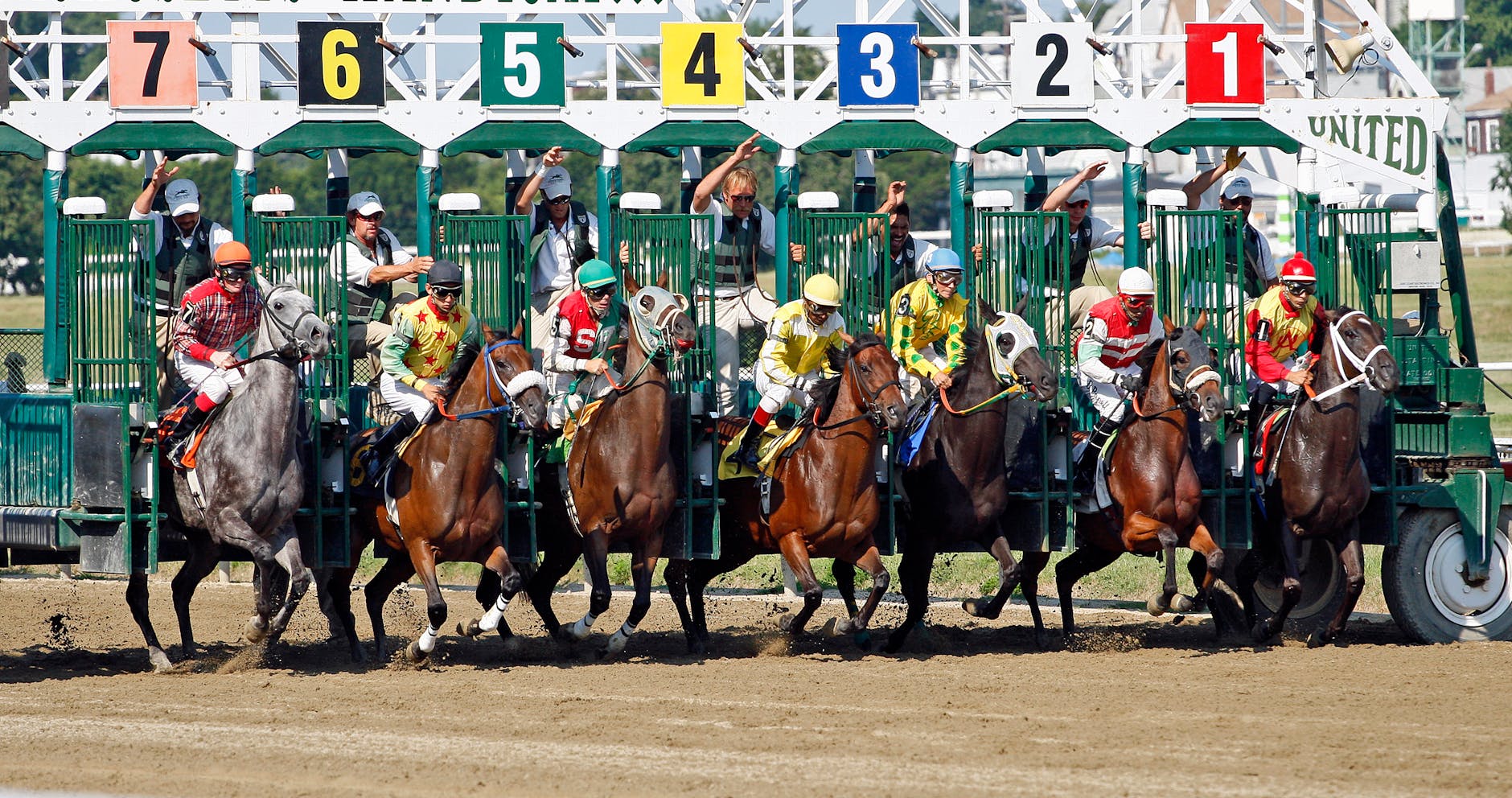
The Kentucky Derby is best known for fast horses, bold hats, mint juleps, and the famous Garland of Roses. Held at Churchill Downs in Louisville, Kentucky, the race dates back to 1875 and is now run on the first Saturday in May as one of the most recognizable sporting traditions in the United States. The race itself only lasts about two minutes, but the event surrounding it is massive: horses, trainers, owners, media crews, food vendors, maintenance teams, guests, and temporary infrastructure all have to come together smoothly.
When people think about the Kentucky Derby, fiberglass probably is not the first material that comes to mind. Most people picture the horses, the track, the grandstands, and the roses. However, fiberglass and fiberglass-reinforced plastic, often called FRP, can show up in many of the supporting roles that make large horse racing events possible. Some of these uses are easy to imagine, while others are the kind of behind-the-scenes applications most people never notice.
Horse Trailers and Transportation
One of the more obvious horse-related uses is in trailers and transport equipment. Modern horse trailers may use composites, aluminum, steel, fiberglass, or a combination of materials. Fiberglass and other composite materials are valued because they can reduce weight and resist rust compared with older all-steel designs. For owners and trainers moving horses between farms, training facilities, and racetracks, weight, durability, ventilation, and ease of cleaning all matter.
A lighter trailer can be easier to tow and may reduce wear on the towing vehicle. Fiberglass also reflects heat rather than conducting it like metal, which can be helpful in trailer design when keeping animals comfortable is a priority. It is not always the right choice for every structural component, but it can be useful for roofs, panels, molded sections, and certain protective surfaces.
Signage, Displays, and Event Branding
The Derby is not just a horse race; it is a full event experience. Directional signs, branded displays, decorative panels, kiosks, booth fronts, and temporary event structures all have to survive weather, crowds, transportation, setup, and teardown.
Fiberglass is useful in this type of work because it can be molded into custom shapes while remaining relatively lightweight. That makes it a strong option for decorative pieces, branded displays, and custom event structures that need to look polished but still be practical to move and install. For an event with the visual identity of the Kentucky Derby, from roses to the Twin Spires, molded composite pieces can help create durable, repeatable displays.
Railings, Platforms, Steps, and Walkways
Large events need safe access points for workers and guests. Fiberglass grating, platforms, ladders, and handrail systems are common in industrial and commercial environments because FRP is strong, corrosion-resistant, and low-maintenance. FRP does not rust like steel or rot like wood, which makes it useful in wet or outdoor environments.
Around a racetrack or event venue, these types of materials could be useful in service areas, washdown zones, maintenance platforms, equipment access points, concession support areas, and utility spaces. These are not the glamorous parts of Derby Day, but they are the kinds of details that help keep a facility functioning.
Washdown Areas, Barns, and Stable Support
Here is one of the less obvious connections: horses require a lot of cleaning, water, and maintenance. Barn areas, wash racks, feed rooms, storage spaces, and veterinary support areas all deal with moisture, cleaning chemicals, waste, and constant wear.
Fiberglass panels, tanks, trench covers, grating, and wall liners can be useful in these environments because they handle moisture well and are easier to clean than many porous materials. In areas where corrosion, odor control, sanitation, and durability matter, fiberglass can offer a practical alternative to wood or metal.
Water, Wastewater, and Utility Infrastructure
A major event like the Kentucky Derby depends on much more than the track. There are restrooms, food service areas, beverage stations, temporary facilities, drainage systems, electrical utilities, and cleanup operations. Behind every public-facing event is a network of utility infrastructure that has to keep running.
Fiberglass tanks, piping, covers, ducting, and equipment housings can be useful in these settings because FRP is commonly selected for corrosion resistance, chemical resistance, and long service life. That makes it a good fit for environments involving water, cleaners, wastewater, and outdoor exposure.
Starting Gates and Safety Equipment
One place people might assume fiberglass is used is the starting gate. In reality, high-quality horse racing starting gates are typically built around strong metal structures because they have to handle serious safety demands. For example, Steriline describes its starting gates as being manufactured from high-grade steel, with safety padding used inside the stalls to help protect horses, jockeys, and handlers.
That does not mean fiberglass has no role around safety equipment. Fiberglass or composite materials can still be useful for covers, housings, panels, non-structural guards, weather-resistant enclosures, and custom accessories. The key is using the right material in the right place. For high-impact, load-bearing, safety-critical components, steel may be the better choice. For corrosion-resistant covers, lightweight panels, or custom molded parts, fiberglass can make a lot of sense.
Food, Beverage, and Hospitality Areas
The Derby is famous for hospitality. The Mint Julep became the official drink of the Kentucky Derby in 1939, and food and beverage service is a huge part of the event experience.
Fiberglass can support food and beverage operations in less visible ways. Smooth FRP wall panels, storage tanks, equipment covers, and washable surfaces can be useful where cleaning and moisture resistance matter. In food and drink environments, FRP is often valued for chemical resistance and cleanable surfaces.
Decorative Props and Themed Features
This is where fiberglass gets more fun. Large roses, horse statues, trophy-style displays, photo-op backdrops, decorative arches, and themed entrance pieces can all be made from fiberglass. Unlike flat signs, fiberglass can be molded into three-dimensional shapes, painted, repaired, and reused.
For an event built around tradition and pageantry, fiberglass can help create the physical pieces that make a space feel special. A giant rose display, a replica horse, a custom planter, or a branded entryway could all be built from fiberglass and reused year after year.
Why Fiberglass Fits Derby-Style Events
The Kentucky Derby is a great example of an event where appearance, durability, mobility, and maintenance all matter at the same time. Fiberglass fits that mix because it can be:
- Lightweight compared with many traditional materials
- Molded into custom shapes
- Resistant to rust and rot
- Useful in wet or chemical-exposed environments
- Durable enough for repeated use
- Repairable in many applications
Fiberglass will never replace every material used around horse racing. Steel, concrete, aluminum, wood, fabric, and rubber all have important roles. However, fiberglass fills a valuable middle ground: it is strong, versatile, weather-resistant, and highly customizable.
The Quiet Material Behind the Big Event
The Kentucky Derby may be known as the “Run for the Roses,” but events like it depend on far more than horses and flowers. Behind the scenes are trailers, barns, washdown areas, signs, platforms, tanks, covers, panels, displays, and utility systems. Some are seen by thousands of guests. Others are only noticed by the people who keep the event running.
That is where fiberglass often shines. It may not be the star of Derby Day, but it can play a quiet supporting role in the kind of infrastructure, transportation, sanitation, and visual presentation that large horse racing events require. From the obvious to the unexpected, fiberglass helps make demanding environments more durable, more practical, and easier to maintain.
This post was created using Generative AI; information may be inaccurate.