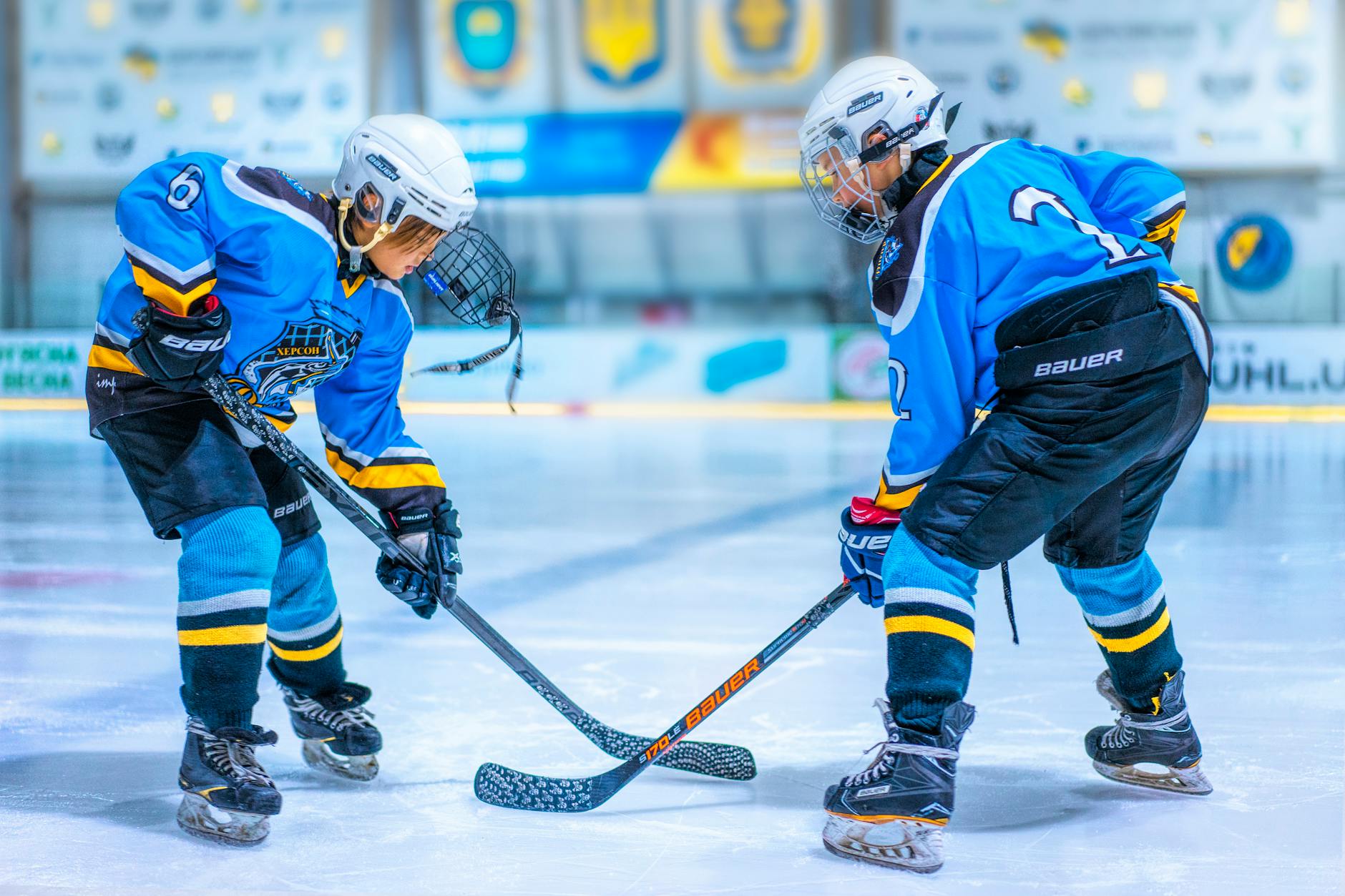
When you think of ice hockey, you likely picture speed, power, and precision. But beneath every slap shot and save is a hidden hero—fiberglass. From sticks to goalie masks, this versatile material has shaped the evolution of the sport and continues to provide players with the strength and flexibility they need to perform at the highest levels.
A Slap Shot of History
Fiberglass entered the hockey scene in the mid-20th century, revolutionizing equipment that was traditionally made from wood, leather, and cloth. Its rise to prominence aligned with the increasing demand for lighter, stronger, and more durable gear that could withstand the aggressive nature of the game.
Where Fiberglass Is Used in Hockey
- Hockey Sticks: Once exclusively wooden, modern hockey sticks often feature fiberglass layers for added strength and flexibility. While many pro-level sticks now incorporate carbon fiber, fiberglass remains an affordable, widely-used material in youth and intermediate sticks.
- Goalie Masks: The iconic molded mask introduced by Jacques Plante was originally made with fiberglass—and the material remains a key component in today’s high-performance goalie masks. It’s lightweight, durable, and offers critical impact resistance against blistering pucks.
- Protective Gear: Shoulder pads, shin guards, and chest protectors often incorporate fiberglass-reinforced plastics to create strong outer shells. This enhances protection while keeping gear relatively lightweight and maneuverable.
- Hockey Helmets: While polycarbonate is common, fiberglass has been used historically and remains a preferred component in custom-molded or premium helmet shells.
Why Fiberglass?
- Strength-to-Weight Ratio: Fiberglass is significantly lighter than traditional materials like wood or metal while offering impressive durability. In a sport where split-second movements count, this lightness gives players an edge.
- Flexibility & Shock Absorption: The material can bend without breaking, making it ideal for absorbing impacts—from stick clashes to puck deflections.
- Custom Moldability: Fiberglass can be molded into complex shapes, making it perfect for ergonomic gear like masks and body protectors tailored to each player.
- Cost-Effective: While carbon fiber is lighter, fiberglass is more affordable, making it ideal for amateur and youth players seeking high performance without the pro-level price tag.
The Future of Fiberglass in Hockey
As composite technologies advance, carbon fiber may dominate the spotlight, but fiberglass isn’t skating off the ice anytime soon. Hybrid sticks and gear that combine fiberglass with carbon or Kevlar offer the best of both worlds—balancing cost, durability, and performance. In goalie masks especially, fiberglass remains a critical base layer even in the most elite designs.
Conclusion
Fiberglass may not score the goals or make the highlight reel, but it’s undeniably a part of every win. Whether protecting a goalie’s face or powering a winger’s slap shot, this material continues to be a foundation of safety and performance in ice hockey. So next time you’re watching the game, take a moment to appreciate the engineering behind the action—and the fiberglass beneath the glory.
This post was created using Generative AI; information may be inaccurate.