This post was created using Generative AI; information may be inaccurate.
In today’s fast-paced world of innovation, where materials must be lightweight, durable, and eco-conscious, fiberglass is emerging as an unsung hero. Once relegated to niche industries like marine construction and insulation, fiberglass has broken free from its specialized roots and entered the mainstream as a go-to material in a variety of applications.
What Makes Fiberglass Stand Out?
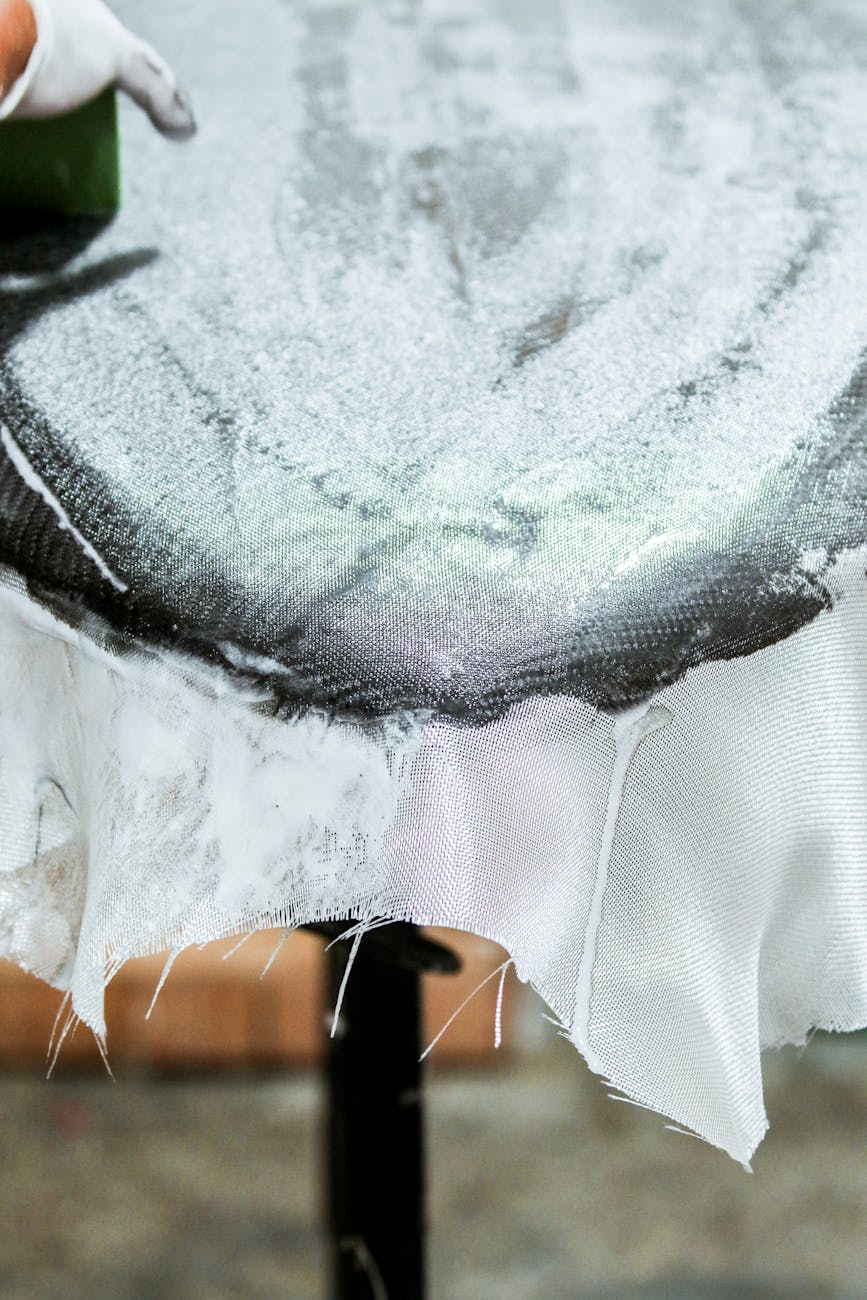
Fiberglass, a composite made from fine fibers of glass, is revered for its strength, flexibility, and resistance to corrosion. It’s a material that can handle extreme conditions while being surprisingly lightweight—qualities that have made it invaluable across industries. From sleek sports cars to high-performance wind turbines, the world is seeing a surge in fiberglass use due to its versatility and sustainability.
One of its most significant advantages? Fiberglass doesn’t rust or degrade like metals. Its resistance to moisture and chemicals makes it perfect for long-lasting products in harsh environments, such as pipes and fittings in chemical plants or water-treatment facilities. The material is also a fantastic insulator, which is why it remains a top choice for residential and commercial construction.
Innovation Meets Sustainability
The recent spotlight on sustainable practices has propelled fiberglass into a trendy new realm. Fiberglass products can be made with lower carbon footprints compared to traditional materials like steel or concrete. This has led industries, from architecture to automotive manufacturing, to rethink their material choices and embrace fiberglass for more eco-friendly designs.
Take for instance electric vehicles (EVs)—an industry where every pound saved extends driving range and energy efficiency. Fiberglass is now being used to replace heavier materials, reducing overall weight while maintaining structural integrity. Similarly, in the renewable energy sector, wind turbine blades made of fiberglass stretch over 100 feet in length, maximizing power output while withstanding the elements.
Fiberglass in Design and Architecture
Fiberglass isn’t just functional; it’s also stylish. Designers are drawn to its sleek finish and ability to be molded into virtually any shape or form. Modern architecture is increasingly incorporating fiberglass into façades, roofs, and intricate custom designs. Its malleability allows architects to explore new creative boundaries while ensuring durability that will last for decades. And with the rise of prefab homes and modular construction, fiberglass is leading the charge for faster, more efficient building processes.
Even in interior design, fiberglass is having a moment. Sleek, minimalist furniture pieces crafted from fiberglass are popping up in trendsetting spaces around the globe, celebrated for their clean lines, durability, and lightweight mobility.
A Future Built on Fiberglass
As industries continue to innovate, fiberglass is positioned to play a central role in shaping a sustainable and dynamic future. Whether it’s in the creation of new infrastructure, high-performance vehicles, or eco-friendly energy solutions, fiberglass stands out as a material that’s not only built to last but also versatile enough to adapt to the evolving demands of modern life.
With a growing focus on sustainability, design flexibility, and performance, fiberglass is no longer just the material of choice for industrial applications—it’s becoming a trendsetter in the world of modern manufacturing, design, and innovation. And as technology continues to advance, the potential applications for fiberglass are boundless.
The future is clear—fiberglass is here to stay.