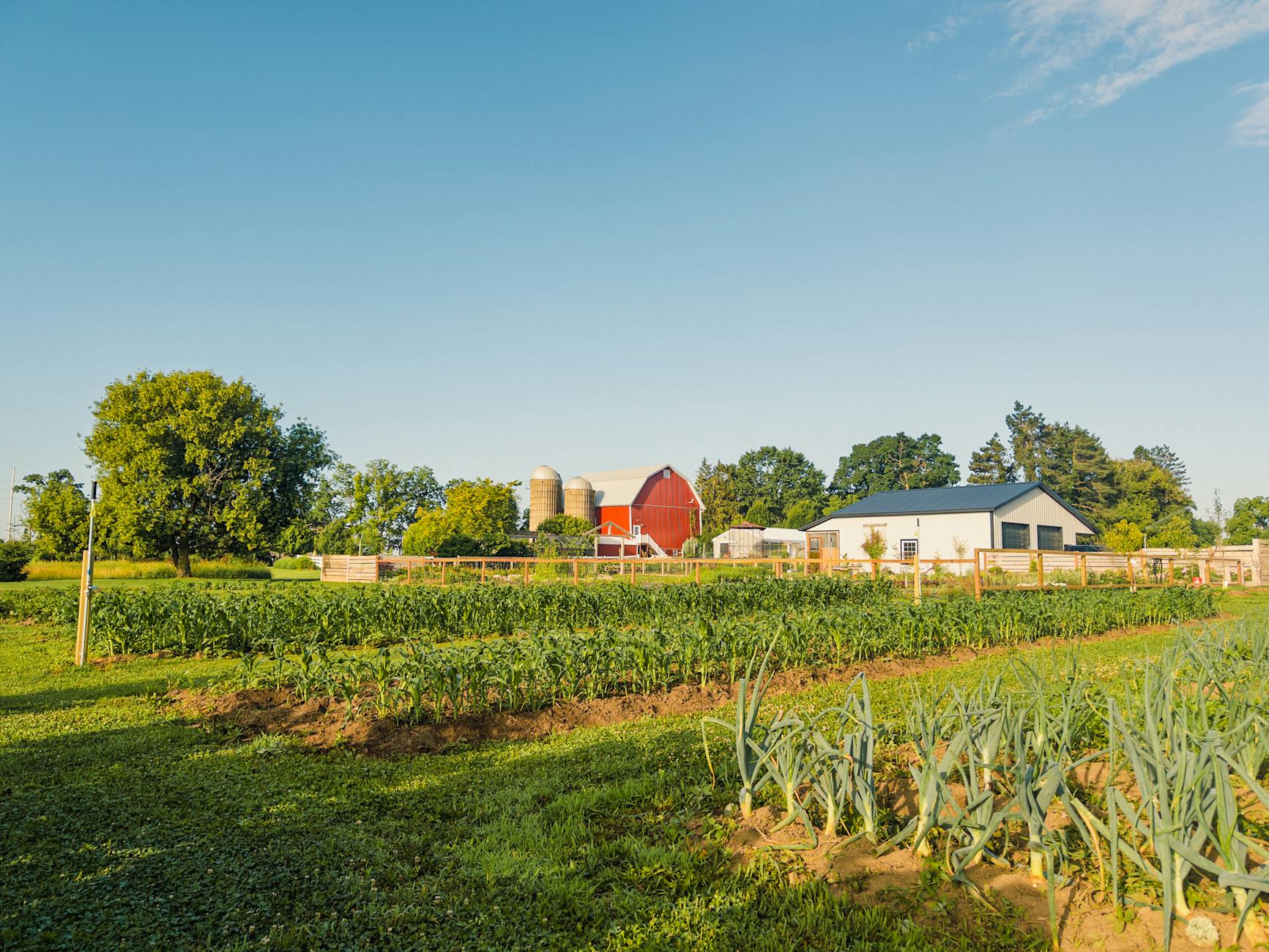
As spring turns into summer, more people start thinking about gardens, greenhouses, raised beds, hydroponics, backyard growing, small farms, and all the equipment that helps keep everything running. Interest in hydroponics, in particular, tends to pick up this time of year as people look for cleaner, more controlled ways to grow herbs, vegetables, and specialty plants.
But hydroponics is only one piece of the larger growing picture.
Whether you are managing a backyard garden, a greenhouse, a small farm, a nursery, or a larger agricultural operation, one question always comes up eventually:
What materials hold up best around water, soil, fertilizer, sunlight, chemicals, and constant use?
That is where fiberglass can be surprisingly useful.
Fiberglass may not be the first material people think of when they picture farming or gardening, but it has a lot of qualities that make sense in agricultural and outdoor environments. It is strong, lightweight compared to many metals, corrosion-resistant, moldable into custom shapes, and able to handle wet or chemically harsh conditions when built with the right resin system.
In other words, fiberglass is not just for boats, tanks, and industrial parts. It can also play a valuable role in greenhouses, gardens, farms, nurseries, hydroponic systems, trailers, and specialized growing equipment.
Why Fiberglass Makes Sense for Outdoor Growing
Farming and gardening equipment has to deal with a rough mix of conditions. Water is everywhere. Fertilizers can be harsh. Soil holds moisture. Sunlight and weather break down weaker materials over time. Metal can rust. Wood can rot. Thin plastics can crack, warp, or become brittle.
Fiberglass offers a strong balance of durability and flexibility.
When properly designed, fiberglass parts can resist corrosion, handle repeated exposure to moisture, and be made in custom shapes that would be difficult or expensive with metal. This makes it especially useful for growers who need something more durable than standard plastic but lighter and easier to customize than steel.
That can matter whether you are building a greenhouse system, setting up a hydroponic grow area, hauling supplies on a trailer, or designing custom containers for plants, water, feed, or fertilizer.
Fiberglass Planters, Pots, and Raised Beds
One of the most straightforward uses for fiberglass in gardening is in planters and growing containers.
Fiberglass planters can be made in many sizes, from decorative patio pots to large commercial containers for nurseries, landscaping companies, or public spaces. Unlike clay or concrete, fiberglass is much lighter, which makes large planters easier to move and install. Unlike wood, it does not rot. Unlike many thin plastics, it can be built with more strength and a longer service life.
For gardens, fiberglass could be used to make:
Custom planters
Large nursery pots
Raised bed liners
Decorative landscape containers
Tree planters
Herb garden boxes
Greenhouse growing bins
Specialty containers for unusual plant layouts
For homeowners, this can mean attractive, long-lasting planters. For commercial growers, it can mean containers that survive repeated handling, watering, and seasonal use.
The ability to customize fiberglass is a big advantage here. A grower may need a planter that fits a specific greenhouse bench, walkway, patio, trailer, or retail display. Fiberglass can be built around those needs instead of forcing the user to work around a standard off-the-shelf size.
Greenhouse Benches, Tables, and Trays
Greenhouses are wet, humid, and busy. Anything inside them needs to handle water, soil, fertilizer, cleaning, and constant movement.
Fiberglass can be useful for greenhouse benches, tray supports, drain pans, and work surfaces because it can be shaped to fit the space and designed to shed water properly. Instead of building around materials that absorb moisture or corrode over time, fiberglass can provide a cleaner and more durable surface.
Possible greenhouse uses include:
Potting benches
Water-resistant work tables
Custom drain trays
Seedling tray supports
Benchtop liners
Rolling grow tables
Splash guards
Wash-down surfaces
For greenhouse operators, drainage and cleaning matter. Standing water can create mess, odors, algae growth, and maintenance problems. Fiberglass parts can be molded with slopes, lips, channels, or drains to help move water where it needs to go.
That is especially useful in greenhouses that combine traditional soil growing with hydroponics, propagation, or nursery operations.
Hydroponic and Aquaponic Systems
Since hydroponics is already getting attention, fiberglass fits naturally into that conversation.
Hydroponic systems rely heavily on water movement, nutrient solutions, reservoirs, grow beds, troughs, and channels. Those parts need to resist moisture and, depending on the setup, fertilizers or nutrient blends. Fiberglass can be used to make custom reservoirs, tanks, troughs, and support structures for these systems.
In hydroponics and aquaponics, fiberglass may be used for:
Nutrient solution tanks
Grow beds
Water reservoirs
Drain trays
Fish tanks for aquaponics
Custom troughs
Filtration housings
Pump enclosures
Structural supports
The main advantage is customization. A grower may need a tank that fits under a bench, a trough that runs the length of a greenhouse, or a reservoir that connects cleanly to existing plumbing. Fiberglass makes it possible to design around the system instead of being limited to standard plastic totes or tanks.
For aquaponics, fiberglass is also commonly associated with tanks and water-handling equipment because it can be strong, smooth, and resistant to long-term water exposure when built correctly.
Water Storage, Rain Collection, and Irrigation Support
Water management is one of the biggest parts of farming and gardening. Whether it is a small garden, greenhouse, nursery, or field operation, water has to be stored, moved, collected, filtered, and controlled.
Fiberglass can be useful for custom water storage and irrigation-related parts, especially when standard containers do not fit the job.
Examples include:
Rainwater collection tanks
Irrigation reservoirs
Pump covers
Valve boxes
Filter housings
Water troughs
Custom splash guards
Drainage pans
Ditch or channel liners
Fiberglass can also be helpful where metal would rust or where wood would slowly break down from constant moisture. In farm and garden settings, that can make a real difference over several seasons of use.
Fertilizer, Chemical, and Spray Equipment
Agriculture often involves fertilizers, soil amendments, cleaning solutions, and spray systems. These materials can be hard on equipment, especially when they are corrosive or stored in wet environments.
Fiberglass is often chosen in industrial environments because it can be made with corrosion-resistant resin systems. That same basic advantage can carry over into agricultural uses when the material is properly selected for the chemicals involved.
Potential applications include:
Fertilizer tanks
Spray tank components
Containment pans
Chemical storage trays
Equipment covers
Mixing station surfaces
Wash-down areas
Secondary containment
This is one of those areas where the details matter. Not every fiberglass part is automatically suitable for every chemical. The resin system, liner, thickness, temperature, and exposure conditions all need to be considered. But when designed properly, fiberglass can be a strong option for equipment that has to deal with moisture, fertilizers, and corrosive materials.
Tractor, Trailer, and Equipment Parts
Fiberglass also makes sense around farm equipment, especially when lightweight, weather-resistant parts are needed.
Many people already associate fiberglass with vehicle panels, hoods, fenders, and covers. Similar ideas can apply to tractors, utility trailers, garden trailers, sprayers, carts, and small farm equipment.
Possible uses include:
Tractor hoods or panels
Fenders
Trailer side panels
Toolbox covers
Equipment guards
Battery boxes
Sprayer covers
Utility cart bodies
Custom storage compartments
Roadside produce stand accessories
For trailers in particular, fiberglass can be useful because it does not rust like steel and can be shaped into panels, covers, liners, or storage areas. A small farm, nursery, or landscaping business may use trailers constantly for hauling soil, plants, tools, water tanks, or equipment. Durable custom fiberglass parts can help protect the trailer and make it more useful.
Fiberglass can also be useful for specialty accessories, such as custom produce bins, market display panels, equipment covers, or weather-resistant storage boxes for tools and supplies.
Custom Tools, Guards, and Specialty Parts
Not every farm or garden problem has an off-the-shelf solution.
Sometimes a grower needs a custom shield to keep water from splashing onto equipment. Sometimes a nursery needs a bin or tray that fits a specific workflow. Sometimes a farm needs a cover, housing, guard, or enclosure that can survive outside.
That is where fiberglass really shines.
Because fiberglass can be molded and fabricated into many shapes, it works well for specialty parts such as:
Protective guards
Equipment housings
Pump covers
Custom bins
Seedling trays
Wash station parts
Tool holders
Drip pans
Splash shields
Weather-resistant enclosures
This is especially valuable for commercial operations where a small improvement in workflow can save time every day. A custom tray, cover, or enclosure may not sound exciting, but if it keeps tools dry, protects a pump, simplifies cleanup, or prevents corrosion, it can quickly become one of the most useful pieces of equipment on-site.
Fiberglass for Nurseries and Garden Centers
Nurseries and garden centers have their own set of needs. They need displays, storage, water handling, plant containers, and surfaces that can hold up to constant use.
Fiberglass can be used for attractive but durable plant displays, custom planter boxes, rolling carts, water tables, and outdoor fixtures. Since it can be finished with different colors and surface textures, it can be functional without looking purely industrial.
For retail garden spaces, fiberglass can be used in:
Display planters
Water feature basins
Plant tables
Custom signage bases
Checkout-area displays
Decorative containers
Seasonal product displays
Outdoor storage bins
This is where fiberglass can bridge the gap between utility and appearance. It can be built tough enough for daily use while still looking clean and professional in a customer-facing space.
Why Not Just Use Plastic, Metal, or Wood?
Plastic, metal, and wood all have their place. In many cases, they are perfectly good materials. But each one has tradeoffs.
Wood is easy to work with, but it can rot, swell, split, or attract insects. Metal is strong, but it can rust or corrode, especially around fertilizers and moisture. Thin plastic is cheap and lightweight, but it can crack, fade, or become brittle in the sun.
Fiberglass sits in a useful middle ground. It can be strong without being overly heavy. It can resist moisture better than wood and resist corrosion better than many metals. It can also be customized more easily than many mass-produced plastic parts.
That does not mean fiberglass is always the right answer. But for custom, durable, outdoor, wet, or chemical-exposed applications, it is often worth considering.
A Material That Fits the Season
Spring and summer are busy seasons for growers. Gardens are being planted. Greenhouses are filling up. Hydroponic systems are being cleaned, expanded, or built from scratch. Farmers and homeowners are repairing trailers, setting up water systems, and looking for better ways to store, move, and manage materials.
Fiberglass fits naturally into that world because it is practical.
It can be used for the quiet, behind-the-scenes parts that keep things working: tanks, trays, covers, planters, guards, benches, liners, and custom pieces that solve specific problems.
It is not just about making something fancy. It is about making something that holds up.
Custom Fiberglass Solutions for Farming and Gardening
At Custom Fiberglass Products Inc., we work with fiberglass, thermoplastics, and custom fabrication for a wide range of industrial and specialty applications. While many of our projects are built for chemical plants and industrial facilities, the same strengths that make fiberglass useful in those environments can also make it valuable for farming, gardening, greenhouse, nursery, and water-handling applications.
Whether you need a custom tank, tray, planter, cover, liner, equipment guard, or another specialty fiberglass part, our team can help look at the application and determine what type of material and construction makes sense.
Fiberglass may not be the first thing people think of when they start planning a garden, greenhouse, or small farm setup, but for the right project, it can be one of the most practical materials available.
Strong. Lightweight. Customizable. Built for wet and demanding environments.
That is why fiberglass still has plenty of room to grow.
This post was created using Generative AI; information may be inaccurate.