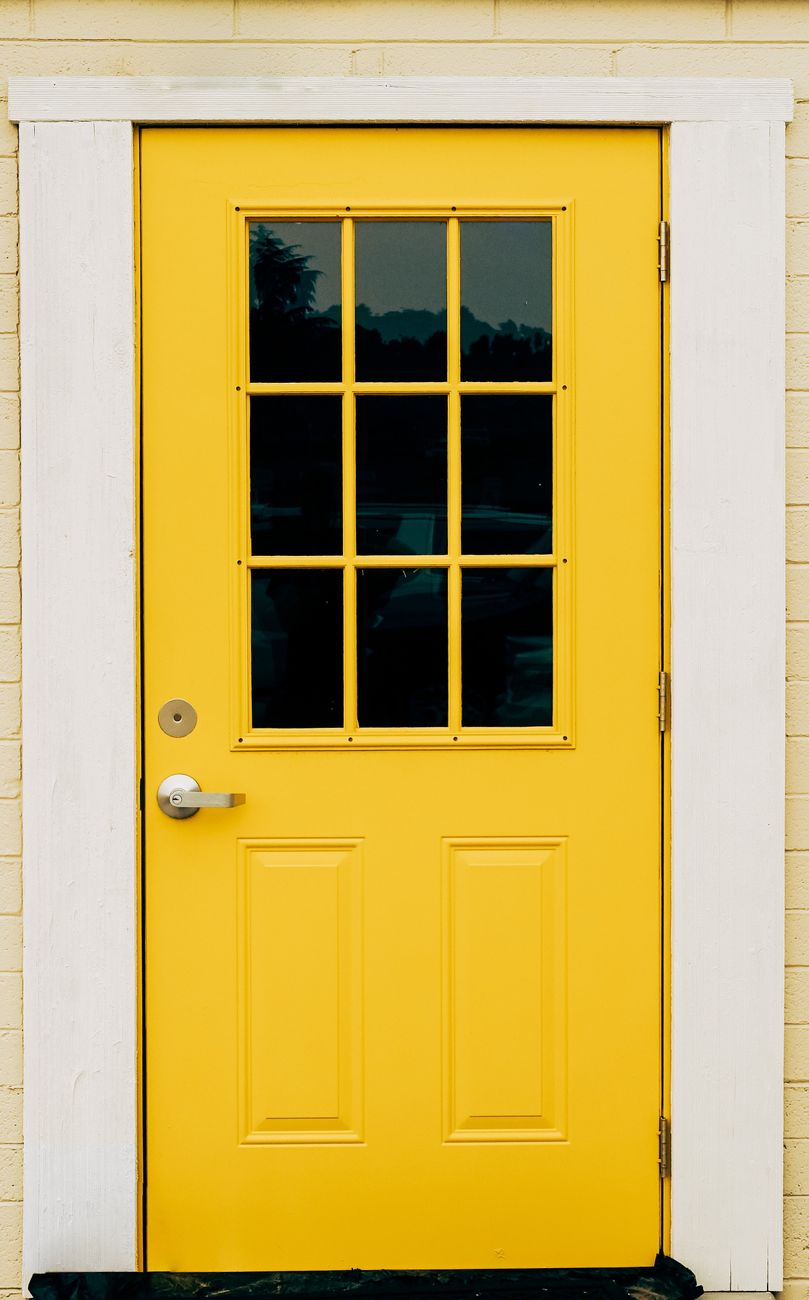
When choosing a door, most people immediately think of wood, steel, aluminum, or glass. Fiberglass, however, has become an increasingly practical option for homes, businesses, industrial facilities, and other demanding environments.
Fiberglass doors can offer the appearance of traditional materials while providing strong resistance to moisture, corrosion, weather, and everyday wear. They are not necessarily the best choice for every opening, but in the right application, they can provide years of reliable service with relatively little maintenance.
What Is a Fiberglass Door?
A fiberglass door is made using glass fibers combined with a resin system to create a strong composite material. Depending on the door’s purpose, it may include:
- A fiberglass-reinforced outer skin
- A foam or structural core
- Internal reinforcement around locks, hinges, and hardware
- A smooth, textured, or wood-grain surface
- A protective coating or pigmented finish
Some fiberglass doors are designed to resemble painted or stained wood, while others are built primarily for performance in commercial or industrial environments.
The term “fiberglass door” can therefore describe anything from a decorative residential entry door to a heavy-duty, corrosion-resistant door used in a chemical processing facility.
Why Are Fiberglass Doors Popular?
Fiberglass combines several useful characteristics that can be difficult to find in a single traditional material.
Resistance to Moisture
Wooden doors can absorb moisture, swell, warp, crack, or rot when repeatedly exposed to water and humidity. Fiberglass does not absorb moisture in the same way, making it useful for exterior entrances, pool areas, washdown spaces, coastal locations, and humid climates.
This moisture resistance also helps fiberglass doors maintain their shape and fit over time.
Corrosion Resistance
Steel doors are strong, but scratches or damaged coatings can expose the metal underneath and allow rust to develop. Fiberglass itself does not rust.
For that reason, fiberglass doors are often considered for locations exposed to salt, chemicals, fertilizers, cleaning agents, wastewater, or corrosive fumes.
Low Maintenance
Fiberglass doors generally require less upkeep than natural wood. They do not need to be regularly sanded, sealed, or refinished simply to prevent rot.
Maintenance usually consists of routine cleaning, inspecting the finish and hardware, and touching up damaged coatings when necessary.
Durability
A properly manufactured fiberglass door can withstand regular use, changing weather conditions, and minor impacts without developing many of the problems associated with wood or untreated metal.
Performance will still depend on the door’s construction, thickness, core, frame, hardware, and intended use. A lightweight residential door and a reinforced industrial door should not be expected to perform the same way.
Design Flexibility
Fiberglass can be manufactured with different textures, shapes, colors, reinforcements, and finishes. Residential doors may include realistic wood-grain patterns, decorative panels, sidelights, or glass inserts.
Commercial and industrial doors may be built with smooth surfaces, vision panels, louvers, kick plates, specialty hardware, or custom dimensions.
Fiberglass Doors Versus Wood Doors
Wood remains popular because of its natural appearance and traditional character. However, it can require considerable maintenance, especially when exposed to rain, sunlight, and humidity.
Fiberglass doors can reproduce much of the appearance of wood without being as vulnerable to swelling, splitting, or rot. They are often a practical alternative when someone wants a wood-like appearance but prefers lower maintenance.
Wood may still be preferred for historic buildings, premium architectural projects, or applications where authentic grain and craftsmanship are the main priorities.
Fiberglass Doors Versus Steel Doors
Steel doors are widely used because they are strong, familiar, and often economical. They are common in commercial buildings, warehouses, schools, and utility spaces.
Fiberglass may have an advantage in wet or corrosive environments because it does not rust. It can also be easier to maintain where steel coatings would be frequently damaged or degraded.
Steel may remain the better choice when maximum security, fire-rating availability, impact resistance, or a lower initial purchase price is the primary concern. The correct choice depends on the specific door assembly rather than the surface material alone.
Where Are Fiberglass Doors Used?
Fiberglass doors are available for a surprisingly wide range of applications.
Homes
Residential fiberglass doors are commonly used as front doors, patio entrances, garage entry doors, and side entrances. They can provide good weather resistance and may be manufactured with insulated cores to help reduce heat transfer.
They are especially useful in areas where wooden doors tend to swell or deteriorate because of humidity and rain.
Commercial Buildings
Businesses may use fiberglass doors for exterior entrances, restrooms, kitchens, service corridors, storage rooms, and areas that are frequently cleaned.
Their low-maintenance surfaces and moisture resistance can be valuable in restaurants, retail facilities, offices, recreational centers, and public buildings.
Industrial Facilities
Industrial fiberglass-reinforced plastic, or FRP, doors are often selected for environments where corrosion is a serious concern. Examples include:
- Chemical processing plants
- Water and wastewater facilities
- Food and beverage plants
- Pulp and paper facilities
- Laboratories
- Coastal and offshore locations
- Agricultural facilities
- Battery rooms
- Washdown areas
In these settings, the door, frame, hinges, fasteners, and hardware must all be selected for the environment. A corrosion-resistant door will provide limited benefit if it is installed with hardware that quickly rusts or degrades.
Pools, Aquatic Centers, and Locker Rooms
High humidity, chlorine, and frequent cleaning can be hard on conventional doors. Fiberglass doors are often well suited to pool equipment rooms, aquatic centers, locker rooms, showers, and related facilities.
Are Fiberglass Doors Energy Efficient?
Many residential fiberglass doors contain an insulating foam core. This can provide better thermal performance than a solid, uninsulated door.
However, energy efficiency depends on the complete assembly, including:
- The door core
- Glass inserts
- Weatherstripping
- Thresholds
- Frame construction
- Installation quality
- Air leakage around the opening
A high-quality insulated door will not perform well if it is poorly installed or does not seal correctly.
When comparing exterior doors, look for the door assembly’s published energy-performance information rather than assuming all fiberglass doors provide the same insulation.
Can Fiberglass Doors Be Painted or Stained?
Many fiberglass doors can be painted, and certain residential models are designed to accept stain-like finishes that highlight molded wood-grain textures.
The correct preparation process depends on the manufacturer, surface coating, and resin system. In general, the surface should be clean, dry, and free of contaminants before a compatible primer, paint, or finish is applied.
Using an incompatible coating can lead to poor adhesion, peeling, discoloration, or surface damage. Manufacturer recommendations should always be followed.
Potential Limitations of Fiberglass Doors
Fiberglass offers many advantages, but it is important to understand its limitations.
Initial Cost
Some fiberglass doors cost more upfront than basic steel or hollow-core alternatives. The added cost may be justified by reduced maintenance and longer service life, particularly in wet or corrosive environments.
Repair Considerations
Minor scratches or coating damage may be relatively easy to address, but severe cracks, delamination, or structural damage can require specialized repair or complete replacement.
Quality Varies
Not every fiberglass door is built to the same standard. Thin skins, weak internal reinforcement, poor-quality cores, or inadequate hardware support can reduce durability.
The intended application should guide the choice. A decorative residential door should not be substituted for an industrial FRP door simply because both are described as fiberglass.
Fire and Building Code Requirements
Fiberglass doors are not automatically fire-rated. When an opening requires a fire-rated assembly, the door, frame, hardware, glazing, and installation must all meet the applicable rating and code requirements.
Always verify certifications before purchasing a door for a regulated opening.
Expansion and Installation
Although fiberglass is dimensionally stable in many conditions, composite materials still react to temperature changes. Proper clearances, fastening methods, and installation procedures are important, particularly for large doors or locations with extreme temperature swings.
What Should You Look for When Buying a Fiberglass Door?
Before choosing a fiberglass door, consider the environment and how the opening will be used.
Important questions include:
- Will the door be indoors or outdoors?
- Will it be exposed to rain, salt, chemicals, or high humidity?
- How frequently will it be opened?
- Does it need insulation?
- Is a fire rating required?
- Does it need windows, louvers, or access-control hardware?
- Is impact resistance important?
- Will carts, forklifts, or equipment regularly pass through the opening?
- Are the frame and hardware compatible with the environment?
- Is a standard size suitable, or is custom fabrication needed?
For commercial and industrial applications, it is helpful to provide the manufacturer with information about chemical exposure, temperatures, cleaning procedures, traffic levels, and required hardware.
How to Maintain a Fiberglass Door
Fiberglass doors are generally low maintenance, but they should not be ignored completely.
Routine care may include:
- Cleaning the surface with mild soap and water.
- Inspecting hinges, closers, locks, and other moving parts.
- Checking weatherstripping and seals.
- Looking for cracks, chips, or damaged coatings.
- Keeping thresholds and drainage areas clear.
- Touching up compatible finishes when required.
- Checking fasteners and hardware for corrosion.
Harsh abrasives and incompatible solvents should be avoided unless approved by the manufacturer.
Is a Fiberglass Door the Right Choice?
Fiberglass doors are worth considering when moisture resistance, corrosion resistance, low maintenance, insulation, or long-term durability are important.
For homeowners, they can provide the appearance of wood without many of its maintenance demands. For businesses, they can offer a durable and easy-to-clean entrance. For industrial facilities, a properly engineered FRP door system can continue operating in environments that quickly damage conventional materials.
The best door is ultimately the one matched to the conditions surrounding it. By considering exposure, traffic, security, insulation, codes, hardware, and maintenance requirements, buyers can determine whether fiberglass provides a meaningful advantage for their application.
This post was created using Generative AI; information may be inaccurate.