Posted on Leave a comment

Bringing Holiday Cheer with Custom Fiberglass Creations

This post was created using Generative AI; information may be inaccurate.

As the fall season kicks off, the air gets cooler, and the holidays roll in—starting with Halloween, followed by Thanksgiving, and finally, Christmas. While these celebrations are known for their distinctive traditions, they also bring an opportunity to get creative with how we decorate and prepare. At Custom Fiberglass Products Inc., we can help you turn those seasonal ideas into long-lasting, functional solutions using custom fiberglass creations. Whether you’re decorating, setting up event infrastructure, or looking for durable seasonal displays, fiberglass has you covered.

Halloween: Spooky and Sustainable Displays

Halloween is all about bold and imaginative decorations that grab attention. With CustomFRP’s expertise in fiberglass and 3D printing, you can create hauntingly unique pieces that will last season after season. Think larger-than-life pumpkins, eerie ghosts, or gothic arches made from fiberglass—lightweight yet incredibly durable for outdoor displays. Unlike traditional decorations that might not survive harsh weather, fiberglass pieces resist wear and tear, ensuring your Halloween spirit comes back stronger every year.

For intricate details, like creepy figurines or custom-designed window frames, 3D printing offers an exciting option. This allows for precise, one-of-a-kind creations, perfect for that eerie touch of authenticity.

Thanksgiving: Strength and Stability for Seasonal Gatherings

Thanksgiving isn’t just about feasts—it’s about coming together, often outdoors or in community settings. Whether it’s a parade, an outdoor market, or a family reunion, fiberglass products offer reliable solutions. For event organizers, lightweight yet durable fiberglass-reinforced seating or display stands for Thanksgiving décor can make setting up easier, while ensuring everything withstands weather changes.

Fiberglass’s versatility even extends to infrastructure. Need sturdy but attractive railings or protective barriers for outdoor venues? Fiberglass components can seamlessly blend into your seasonal settings, providing both functionality and an aesthetic touch that complements Thanksgiving’s earthy tones. With CustomFRP’s custom fabrication abilities, you’re not limited by the typical—each piece can be tailored to meet your specific needs​.

Christmas: Festive, Functional, and Built to Last

When Christmas arrives, so do large-scale, show-stopping displays. From massive reindeer and sleighs to light-up nativity scenes, fiberglass is the material of choice for long-lasting, weather-resistant holiday decorations. Its strength ensures your décor can brave winter weather while still looking festive year after year.

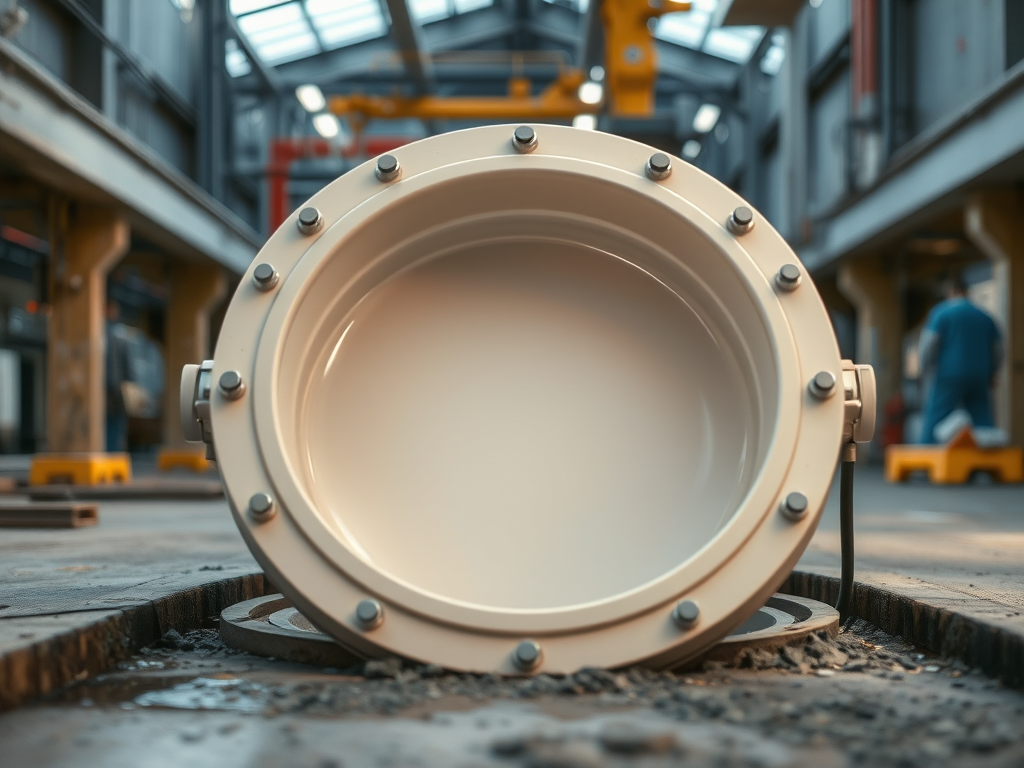
And don’t forget about infrastructure—holiday events often need more than just decorations. Fiberglass manholes and covers, for example, can be integrated into Christmas street displays, offering both practical function and a decorative twist. With the option for custom 3D-printed parts, you can even add personalized touches to your decorations—whether it’s unique signage or custom-built holiday fixtures​.


At Custom Fiberglass Products Inc., we’re passionate about bringing your holiday vision to life in a way that lasts. Whether you need sturdy decorations, practical infrastructure, or custom designs, we’ve got the expertise to make it happen. Contact us today to explore how we can help make your Halloween, Thanksgiving, and Christmas celebrations extra special!

Posted on Leave a comment

Fiberglass in Halloween: From Spooky Decorations to Haunting Costumes

This post was created using Generative AI; information may be inaccurate.

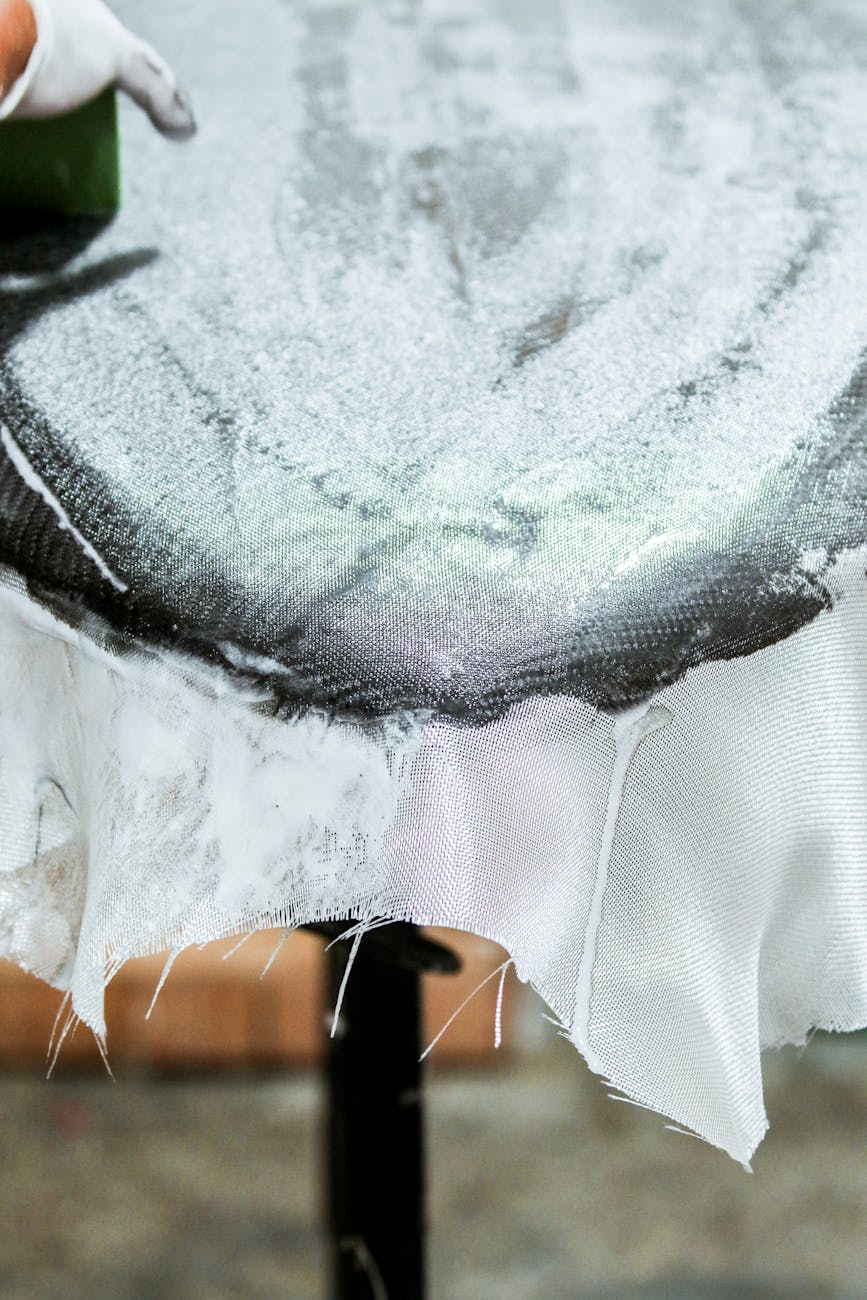
Halloween is a time for creativity, spooky thrills, and impressive decorations, and fiberglass has become a surprising yet essential material in making this holiday come to life. Known for its versatility, strength, and ability to take on many shapes and textures, fiberglass can be found in everything from elaborate yard decorations to eerie props and even costume elements. Let’s take a closer look at how fiberglass is used during Halloween, exploring its role in decorations, costumes, and beyond.

Fiberglass in Halloween Decorations

When it comes to outdoor Halloween decorations, fiberglass is a go-to material for manufacturers who want to create durable and weather-resistant products. It’s lightweight yet incredibly sturdy, making it ideal for large displays and props that can withstand the elements throughout October. Some of the most common ways fiberglass is used in Halloween decorations include:

  • Large Halloween Statues: You’ve probably seen life-sized ghosts, towering skeletons, or even huge pumpkin displays in front of homes or at local haunted attractions. These are often made from fiberglass, allowing them to be big and impressive while staying lightweight.
  • Spooky Yard Displays: Graveyard scenes complete with tombstones and eerie figures often incorporate fiberglass. These elements are durable enough to stay outdoors all season long, enduring rain, wind, or even the occasional snowstorm.
  • Haunted House Props: Inside haunted houses, fiberglass is frequently used to create creepy figures, eerie walls, and even fake cobwebs that add to the frightening ambiance. Its ability to mimic different textures like stone or wood makes it perfect for creating a variety of haunted settings.

Fiberglass in Halloween Costumes

Fiberglass isn’t just for decorations. It has also made its way into the costume world, especially for those who want to go all out with their Halloween look. Here are a few ways fiberglass is used in Halloween costumes:

  • Masks and Helmets: Detailed, intricate masks, and helmets, especially for sci-fi, fantasy, or horror characters, are sometimes crafted from fiberglass. The material can be molded into almost any shape and painted with realistic details, helping people achieve movie-quality looks.
  • Armor and Props: For those dressing up as knights, robots, or any character that requires armor, fiberglass is a popular material. It’s strong enough to create armor pieces that look realistic yet light enough to be comfortable to wear all night.
  • Accessories and Weapons: Many costume accessories, such as swords, shields, and wands, are made from fiberglass due to its ability to be shaped into intricate designs and its durability, ensuring your props don’t break halfway through your Halloween party.

DIY Halloween Projects with Fiberglass

For the crafty types, fiberglass can be used to create custom Halloween decorations or costume pieces. Fiberglass kits available at most hardware stores allow DIY enthusiasts to make molds, reinforcing structures, or even create lightweight statues. Here’s how fiberglass can play a part in your Halloween DIY project:

  • Custom Statues or Yard Art: With a fiberglass kit, you can create your own Halloween monsters or statues from scratch. By creating a mold and applying fiberglass sheets, you can make unique, personalized decorations that last for years.
  • Building Haunted Mazes or Haunted Houses: For those who love creating haunted mazes or houses in their yard or local community, fiberglass can be used to make walls, facades, or even eerie sculptures that give a professional-level spookiness to your display.

Benefits of Using Fiberglass in Halloween

The use of fiberglass in Halloween decorations and costumes is driven by several key benefits:

  • Durability: Fiberglass can withstand harsh outdoor conditions, making it perfect for long-lasting yard displays or decorations.
  • Lightweight: Even large, detailed fiberglass pieces are light, making them easier to transport, set up, and store compared to other materials like wood or metal.
  • Detailing: Fiberglass is easy to mold into detailed shapes, from realistic masks to lifelike decorations, making it ideal for intricate and high-quality designs.
  • Customizability: Whether for DIY projects or professional decorations, fiberglass can be painted, textured, or shaped to meet any Halloween theme, from haunted castles to sci-fi costumes.

Conclusion

Fiberglass may not be the first material that comes to mind when you think of Halloween, but it plays a significant role in creating the spooky, eerie atmosphere we love. From towering yard decorations that spook the neighbors to detailed costume pieces that wow at parties, fiberglass helps bring the spirit of Halloween to life. Whether you’re buying ready-made decorations or crafting your own haunted house, fiberglass is a versatile material that adds both style and durability to your Halloween experience.

So, this Halloween, as you admire the impressive displays and creative costumes, remember that fiberglass is the hidden hero behind many of these spooky sights!

Posted on Leave a comment

Fiberglass: The Unsung Hero of Modern Innovation

close up of a fabric

This post was created using Generative AI; information may be inaccurate.

In today’s fast-paced world of innovation, where materials must be lightweight, durable, and eco-conscious, fiberglass is emerging as an unsung hero. Once relegated to niche industries like marine construction and insulation, fiberglass has broken free from its specialized roots and entered the mainstream as a go-to material in a variety of applications.

What Makes Fiberglass Stand Out?

Fiberglass, a composite made from fine fibers of glass, is revered for its strength, flexibility, and resistance to corrosion. It’s a material that can handle extreme conditions while being surprisingly lightweight—qualities that have made it invaluable across industries. From sleek sports cars to high-performance wind turbines, the world is seeing a surge in fiberglass use due to its versatility and sustainability.

One of its most significant advantages? Fiberglass doesn’t rust or degrade like metals. Its resistance to moisture and chemicals makes it perfect for long-lasting products in harsh environments, such as pipes and fittings in chemical plants or water-treatment facilities. The material is also a fantastic insulator, which is why it remains a top choice for residential and commercial construction.

Innovation Meets Sustainability

The recent spotlight on sustainable practices has propelled fiberglass into a trendy new realm. Fiberglass products can be made with lower carbon footprints compared to traditional materials like steel or concrete. This has led industries, from architecture to automotive manufacturing, to rethink their material choices and embrace fiberglass for more eco-friendly designs.

Take for instance electric vehicles (EVs)—an industry where every pound saved extends driving range and energy efficiency. Fiberglass is now being used to replace heavier materials, reducing overall weight while maintaining structural integrity. Similarly, in the renewable energy sector, wind turbine blades made of fiberglass stretch over 100 feet in length, maximizing power output while withstanding the elements.

Fiberglass in Design and Architecture

Fiberglass isn’t just functional; it’s also stylish. Designers are drawn to its sleek finish and ability to be molded into virtually any shape or form. Modern architecture is increasingly incorporating fiberglass into façades, roofs, and intricate custom designs. Its malleability allows architects to explore new creative boundaries while ensuring durability that will last for decades. And with the rise of prefab homes and modular construction, fiberglass is leading the charge for faster, more efficient building processes.

Even in interior design, fiberglass is having a moment. Sleek, minimalist furniture pieces crafted from fiberglass are popping up in trendsetting spaces around the globe, celebrated for their clean lines, durability, and lightweight mobility.

A Future Built on Fiberglass

As industries continue to innovate, fiberglass is positioned to play a central role in shaping a sustainable and dynamic future. Whether it’s in the creation of new infrastructure, high-performance vehicles, or eco-friendly energy solutions, fiberglass stands out as a material that’s not only built to last but also versatile enough to adapt to the evolving demands of modern life.

With a growing focus on sustainability, design flexibility, and performance, fiberglass is no longer just the material of choice for industrial applications—it’s becoming a trendsetter in the world of modern manufacturing, design, and innovation. And as technology continues to advance, the potential applications for fiberglass are boundless.

The future is clear—fiberglass is here to stay.

Posted on Leave a comment

How Generative AI is Transforming the Fiberglass Industry

blue bright lights

This post was created using Generative AI; information may be inaccurate.

Generative AI is making waves across numerous industries, and the fiberglass sector is no exception. The technology’s ability to analyze large datasets, optimize designs, and predict performance is revolutionizing how fiberglass products are developed, manufactured, and implemented. From design innovation to improved production efficiency, generative AI is helping fiberglass manufacturers streamline their processes and innovate faster than ever before.

Key Applications of Generative AI in the Fiberglass Industry

  1. Advanced Product Design and Prototyping One of the most significant ways generative AI impacts the fiberglass industry is through design optimization. Traditionally, fiberglass product designs—such as wind turbine blades, automotive components, and building materials—required extensive trial and error to achieve the ideal strength, flexibility, and weight balance. With generative AI, manufacturers can automate much of this process by inputting design parameters like material properties, stress tolerances, and environmental factors. The AI system can then generate numerous design variations, identifying those that maximize efficiency, durability, and performance. This allows engineers to create more optimized products, often with unique geometries that wouldn’t be possible with traditional design tools. The result is faster prototyping, shorter product development cycles, and more innovative designs that push the boundaries of what fiberglass can do.
  2. Material Optimization and New Composites Generative AI can also assist in discovering new fiberglass composites and improving existing materials. By analyzing vast datasets of material properties, AI algorithms can predict how various fiberglass composites will behave under specific conditions, such as extreme temperatures or corrosive environments. This can lead to the development of specialized fiberglass materials tailored for specific industrial applications.For example, in the construction or marine industries, generative AI could help create fiberglass materials with enhanced resistance to corrosion or increased flexibility. This ability to predict material performance allows manufacturers to create stronger, more resilient composites while minimizing waste and production costs.
  3. Predictive Maintenance for Fiberglass Manufacturing The manufacturing process for fiberglass products involves complex machinery and precise timing. Generative AI, coupled with machine learning algorithms, can analyze production data in real time to predict potential equipment failures or process inefficiencies before they occur. This predictive maintenance approach reduces downtime and minimizes costly repairs, keeping production lines running smoothly.AI can monitor factors like machine temperature, vibration levels, and production speed, alerting operators to any anomalies that could indicate mechanical failure or material quality issues. By addressing these problems before they escalate, manufacturers can maintain high levels of efficiency and product quality.
  4. Automating Fiberglass Manufacturing with AI-Driven Robotics In modern fiberglass production, automation is increasingly important for reducing labor costs and improving precision. Generative AI is playing a crucial role in driving this automation by guiding robotic systems that handle complex tasks such as fiber weaving, resin application, and cutting.AI-driven robotics can learn from previous production cycles to improve their efficiency and accuracy over time. This is particularly beneficial in industries that demand high precision in fiberglass components, such as aerospace or automotive manufacturing. Generative AI allows robotic systems to adjust to varying production conditions and optimize processes on the fly, further reducing waste and improving product consistency.
  5. Quality Control and Inspection Another area where generative AI is transforming the fiberglass industry is in quality control. AI systems can be trained to inspect fiberglass products for defects—such as cracks, uneven resin distribution, or weak bonding—more accurately and quickly than human inspectors. These systems can use image recognition, thermal imaging, or ultrasound to scan products and detect defects that may not be visible to the naked eye.Generative AI models can then recommend corrective actions or highlight patterns of defects, helping manufacturers refine their processes. This proactive approach to quality assurance ensures that only the highest-quality fiberglass products reach the market, reducing waste and recalls.
  6. Supply Chain Optimization The fiberglass industry often relies on a complex global supply chain for raw materials like glass fibers, resins, and curing agents. Managing these supply chains efficiently is critical to minimizing delays and production costs. Generative AI can analyze historical supply chain data, predict potential disruptions, and offer optimization strategies to improve efficiency.AI-driven forecasting models can help manufacturers manage inventory levels more effectively, reducing excess stock while ensuring that materials are available when needed. These insights allow fiberglass manufacturers to optimize their supply chains, minimize waste, and reduce costs.

Benefits of Generative AI for the Fiberglass Industry

  1. Improved Product Innovation Generative AI opens up new possibilities for product innovation, allowing engineers to explore design solutions that were previously impossible or too time-consuming to develop. By rapidly iterating through different designs and material combinations, AI helps manufacturers create more efficient, durable, and lightweight fiberglass products that meet the evolving demands of industries like aerospace, construction, and renewable energy.
  2. Enhanced Manufacturing Efficiency AI-driven optimization leads to more efficient manufacturing processes by reducing material waste, improving precision, and minimizing downtime. This translates into cost savings and faster time to market, giving manufacturers a competitive edge.
  3. Reduced Production Costs Generative AI reduces the need for costly trial-and-error processes in both design and manufacturing. By optimizing designs and predicting material behavior, manufacturers can lower production costs while maintaining high product quality.
  4. Increased Sustainability The fiberglass industry is increasingly focused on sustainability, and generative AI helps support these efforts. By optimizing material usage and minimizing waste, AI contributes to more eco-friendly production processes. Additionally, the ability to develop stronger and longer-lasting fiberglass products means fewer replacements and less resource consumption over time.

The Future of Generative AI in the Fiberglass Industry

As generative AI continues to evolve, its applications in the fiberglass industry are expected to expand. Future innovations could include AI-driven additive manufacturing techniques for custom fiberglass components or more advanced predictive models for material behavior in extreme conditions. These advancements will further enhance product innovation, reduce costs, and improve the sustainability of fiberglass production.

Conclusion

Generative AI is transforming the fiberglass industry by optimizing product design, enhancing manufacturing efficiency, and improving quality control. As AI technology continues to advance, it will play an increasingly crucial role in shaping the future of fiberglass manufacturing. Whether through automating production processes or discovering new composite materials, generative AI is driving innovation and helping manufacturers meet the growing demands of industries that rely on fiberglass products.

By leveraging the power of AI, fiberglass companies can stay competitive, reduce costs, and improve their sustainability efforts, positioning themselves for long-term success in a rapidly changing industrial landscape.

Posted on Leave a comment

The Role of Fiberglass in Ports, Docks, and Shipyards

black sail ship on body of water

This post was created using Generative AI; information may be inaccurate.

Fiberglass is a versatile material that has found widespread use in industrial environments like ports, docks, and shipyards. Its unique properties make it ideal for heavy-duty applications, especially in areas dealing with the constant wear and tear of loading and unloading shipping containers, maintaining large vessels, and managing dock equipment. In these industrial settings, durability, corrosion resistance, and strength are key factors—qualities fiberglass brings to the table.

Key Uses of Fiberglass in Ports and Shipyards

  1. Fiberglass Gratings and Walkways One of the primary uses of fiberglass in ports and docks is in the form of gratings and walkways. These are essential for creating safe, slip-resistant surfaces in areas exposed to water, oil, and heavy foot traffic. Steel or wood walkways, traditionally used, corrode or rot over time when exposed to harsh marine environments. Fiberglass, on the other hand, is highly resistant to corrosion, making it perfect for environments that experience saltwater and chemicals frequently.Additionally, fiberglass is lightweight compared to metals, making it easier to install and replace when necessary. The ease of handling reduces installation costs and downtime, making it a cost-effective solution for dock and shipyard infrastructure.
  2. Fiberglass Reinforced Plastic (FRP) in Loading Docks Fiberglass-reinforced plastic (FRP) is commonly used in the construction of industrial equipment found at ports and loading docks. Shipping containers, cranes, and other heavy machinery are often exposed to corrosive elements like salt, oil, and moisture, which can deteriorate materials like steel over time. FRP is ideal for fabricating protective panels, shields, and covers for these systems, extending their lifespan and reducing maintenance.FRP is also used in the construction of conveyor systems, ramps, and platforms where the unloading of heavy shipping containers occurs. Its resistance to impact, combined with its low maintenance needs, makes it highly suited for these high-traffic areas.
  3. Fiberglass Fender Systems for Docks Fender systems protect both ships and dock structures during berthing, absorbing impact and preventing damage. Fiberglass fender systems are becoming more common because they are highly durable, lightweight, and capable of withstanding both environmental factors and physical force. Unlike traditional fender materials such as wood or rubber, fiberglass requires less maintenance and offers better longevity in harsh marine conditions.
  4. Protective Covers and Canopies Many port facilities use fiberglass for protective covers, shelters, and canopies to shield sensitive equipment from the elements. Fiberglass can withstand strong UV rays, saltwater, and chemicals, providing long-lasting protection for electrical systems, monitoring equipment, and control rooms. These covers are also used for outdoor storage areas that handle goods waiting for shipment, ensuring they remain unaffected by weather exposure.
  5. Dockside Electrical Enclosures and Lighting Fixtures Electrical systems in ports and shipyards are vital to daily operations, but these systems are highly vulnerable to the corrosive conditions present in maritime environments. Fiberglass is widely used in the manufacture of electrical enclosures that house control panels, junction boxes, and lighting fixtures around docks and shipyards. These fiberglass enclosures are non-conductive, moisture-resistant, and can be molded to meet specific design requirements, ensuring that the electrical components are fully protected from environmental damage.
  6. Composite Dock Pilings Dock pilings made of fiberglass composites are increasingly replacing traditional wood pilings due to their longer lifespan and resistance to rot and marine borer infestation. Fiberglass pilings also offer superior strength while being lighter in weight, which eases installation and reduces transportation costs. Given the constant exposure to water, salt, and extreme weather conditions in ports, these composite pilings provide a long-term solution that minimizes replacement frequency and the associated maintenance costs.

Advantages of Fiberglass in Marine and Industrial Environments

  1. Corrosion Resistance Ports, docks, and shipyards are highly corrosive environments, given the constant exposure to saltwater, chemicals, and varying weather conditions. Fiberglass, particularly FRP, is naturally resistant to corrosion, which makes it an ideal material for structures, equipment, and surfaces that require durability and longevity.
  2. Low Maintenance and Durability Fiberglass requires minimal upkeep compared to other materials like wood and metal. Once installed, fiberglass structures and components need less frequent repairs or replacements, resulting in lower long-term costs for port operators. This durability is crucial for environments like shipyards and docks, where downtime for repairs can disrupt the flow of goods and services.
  3. High Strength-to-Weight Ratio Fiberglass is known for its excellent strength-to-weight ratio. It offers the structural integrity required for heavy industrial applications, while still being significantly lighter than metals like steel. This makes fiberglass easier to transport and install, reducing labor costs and improving overall efficiency at port facilities.
  4. Non-Conductive and Safe for Electrical Use Since fiberglass does not conduct electricity, it is a safer choice for applications where electrical systems are exposed to moisture. This non-conductive property is why fiberglass is commonly used for protective casings, lighting fixtures, and other electrical installations in shipyards and loading docks.
  5. Customizability Fiberglass can be molded into various shapes and sizes, allowing for highly customized solutions. This is particularly useful in shipyards, where unique infrastructure requirements must be met, and standard materials may not offer the necessary flexibility.

Conclusion

The use of fiberglass in ports, docks, and shipyards offers numerous advantages, including corrosion resistance, strength, and low maintenance. Whether it’s in the form of fender systems, walkways, pilings, or protective enclosures, fiberglass plays a crucial role in maintaining the functionality and safety of these critical infrastructures. Its ability to withstand harsh marine conditions makes it an indispensable material in these environments, helping to reduce costs and improve efficiency in industrial maritime operations.

In an industry where durability and reliability are essential, fiberglass provides the perfect blend of performance and resilience. As technology continues to evolve, we can expect fiberglass to play an even greater role in the future of port and shipyard infrastructure.

Posted on Leave a comment

Fiberglass: Helping During Hurricane Season

earth planet

This post was created using Generative AI; information may be inaccurate.

Hurricane season brings the potential for extreme weather events, with strong winds, flooding, and debris causing significant damage to homes, buildings, and infrastructure. To combat these destructive forces, innovative materials are being developed to create stronger, more resilient structures. One such material is fiberglass, which is becoming increasingly popular for reinforcing buildings, as well as manufacturing lightweight, durable gear and equipment. Here’s how fiberglass is playing a key role in enhancing hurricane preparedness and protection.


1. Stronger, More Resilient Structures

Fiberglass is gaining recognition for its strength-to-weight ratio, making it an ideal material for reinforcing buildings in hurricane-prone areas. While it is lighter than traditional construction materials like steel and concrete, fiberglass offers exceptional durability and flexibility, allowing it to better withstand high winds and flying debris.

  • Hurricane-resistant windows and doors: Fiberglass is often used in impact-resistant windows and doors, which can withstand the force of strong winds and objects hurled through the air during a storm. These windows are specially designed to protect homes from the most vulnerable entry points, ensuring greater safety for occupants.
  • Reinforced roofs: Fiberglass-reinforced shingles and panels provide additional protection for roofs, which are frequently damaged during hurricanes. These products can resist the uplift forces generated by hurricane-force winds, reducing the chances of roof failures and costly repairs.
  • Coastal infrastructure: Fiberglass is also being used to reinforce critical infrastructure, such as bridges, seawalls, and utility poles. In areas susceptible to hurricanes, these structures need to remain intact during extreme weather conditions, and fiberglass can provide the necessary strength and durability.

2. Lighter and More Portable Equipment

Beyond fortifying structures, fiberglass is increasingly used to manufacture lighter and more portable equipment essential for emergency response and hurricane preparedness. During a storm, first responders and repair crews need gear that is easy to transport and deploy quickly. Fiberglass helps meet this demand by offering lightweight yet strong solutions.

  • Rescue boats and life-saving gear: Many rescue boats are now made with fiberglass, allowing for faster deployment and greater maneuverability in flooded areas. Fiberglass is also corrosion-resistant, which makes it ideal for saltwater environments along coastlines.
  • Lightweight ladders and tools: Fiberglass ladders, tools, and repair equipment are lighter than their steel or wood counterparts. This feature is particularly useful for utility workers and emergency responders, who need to act swiftly during post-storm recovery operations. Fiberglass tools are also non-conductive, making them safer for working around live electrical wires, a common hazard after hurricanes.
  • Portable shelters and barriers: Fiberglass is also used to create portable shelters and flood barriers that are easy to deploy when a hurricane strikes. These structures are durable enough to withstand the elements while being light enough for quick setup and relocation as needed.

3. Corrosion Resistance and Longevity

Hurricane-prone areas are often coastal, meaning that materials used for protection and recovery must be able to withstand saltwater and moisture. Fiberglass excels in this area due to its natural resistance to corrosion. Unlike metals, which can rust, fiberglass remains intact and strong, even after prolonged exposure to water and harsh environments.

  • Utility poles and grid infrastructure: Fiberglass is increasingly replacing wood and metal in utility poles. After hurricanes, one of the main challenges is restoring power, and fiberglass poles are more resistant to breaking and corrosion, ensuring that electrical grids are restored faster and remain operational for longer periods.
  • Marine applications: Fiberglass is extensively used in the construction of marine vessels and docks, where its ability to resist saltwater corrosion is vital. These boats and docks can survive harsh conditions, making them invaluable during hurricane recovery efforts.

Conclusion: Fiberglass for a Hurricane-Ready Future

As hurricane seasons become increasingly unpredictable, the need for stronger, more resilient structures and lighter, more efficient equipment is critical. Fiberglass is proving to be a game-changing material in this regard. Its unique combination of strength, lightweight properties, and resistance to corrosion is making homes, businesses, and emergency response systems better equipped to handle the challenges of hurricanes.

Whether through hurricane-resistant building materials or lightweight, durable emergency tools, fiberglass is helping communities prepare, protect, and recover faster from the devastation of storms. As technology continues to advance, we can expect even more innovative applications of fiberglass to keep people safe and structures standing strong when hurricane season strikes.

Posted on Leave a comment

The Fascinating Intersection of Fiberglass, 3D Printing, and Anime

four person in naruto costume

This post was created using Generative AI; information may be inaccurate.

In today’s fast-paced, technology-driven world, unexpected correlations often emerge between different fields. One such fascinating intersection is between the world of fiberglass, 3D printing, and the art form of anime. While these three seem unrelated at first glance, there is a deeper connection that has created incredible possibilities in both fandom and industry. This blog will explore how fiberglass and 3D printing have contributed to anime culture, particularly in the realms of cosplay, collectibles, and animation production.

1. Cosplay Revolution: Bringing Anime to Life

Cosplay, or “costume play,” has long been a major part of anime fandom. Fans of popular anime characters often attend conventions dressed in meticulously crafted costumes, aiming for as much authenticity as possible. Here’s where fiberglass and 3D printing come into play.

Fiberglass in Cosplay:
For larger, more intricate costume pieces—think of suits of armor or elaborate weapon props—fiberglass is the go-to material. It’s durable, lightweight, and allows for the kind of detail that anime costumes demand. Many anime characters wear armor, wield giant weapons, or have robotic exoskeletons that need strong, yet flexible materials for creation. Fiberglass suits provide the strength and texture to bring these complex designs to life without weighing cosplayers down.

3D Printing in Cosplay:
Over the last decade, 3D printing has transformed cosplay. Anime fans can now print small, intricate pieces such as accessories, headgear, or specific weapon designs, which would be incredibly difficult to create by hand. Detailed objects like swords from Attack on Titan or armor parts from My Hero Academia are often created with 3D printers. Fans can take 3D models directly from the anime or design their own to print unique accessories, adding a high degree of precision to their cosplays.

2. Anime Collectibles: Custom Figures and Models

Anime has an enormous collectible culture, with fans purchasing figurines, statues, and even model kits based on their favorite characters. Fiberglass and 3D printing play critical roles in making these collectibles more accessible, customizable, and durable.

Fiberglass in Collectibles:
Fiberglass is often used in larger-scale statues of anime characters. These are usually produced for high-end collectors who seek durable, long-lasting display pieces. Fiberglass statues offer the perfect balance of weight, sturdiness, and detail, making them ideal for outdoor or high-impact display environments. The material allows for intricate design elements—such as the flowing clothes of Dragon Ball Z’s Goku or the fine mechanical parts of Neon Genesis Evangelion robots—that stay true to their on-screen counterparts.

3D Printing and Custom Figurines:
3D printing has democratized the world of anime figurine creation. Fans no longer have to wait for a company to release a specific character; they can now design or download a 3D model of their favorite character and print it at home. The ability to 3D print custom models has opened up new possibilities for anime enthusiasts, allowing them to create personalized versions of characters, modify existing designs, or print figures that are otherwise unavailable commercially. This has fostered a DIY culture within anime fandom, where 3D printing enthusiasts create and trade custom models.

3. Anime Production: From Sketch to Screen with 3D Technology

Although fiberglass doesn’t play a direct role in anime production, 3D printing has found its way into the animation industry. As anime becomes increasingly digital, animators have started incorporating 3D elements into traditionally 2D animations to enhance depth, fluidity, and realism.

3D Printing for Model Prototyping in Animation:
In some anime productions, 3D printed models are used to prototype characters or scenes. This process allows animators to visualize how characters would look from all angles before translating them into the animated world. For example, intricate mech designs seen in series like Mobile Suit Gundam often start as 3D models, allowing animators to plan out movement and mechanical functions.

Blending 2D and 3D Animation:
Many modern anime use a blend of 2D and 3D animation to create complex fight scenes, elaborate machinery, and vibrant cityscapes. 3D printing, although used behind the scenes, has helped bridge the gap between traditional anime aesthetics and cutting-edge technology. Shows like Attack on Titan use 3D technology to render movement sequences or towering structures while keeping the hand-drawn feel fans love.

4. The Future: Where Fiberglass, 3D Printing, and Anime Meet Next

The potential for fiberglass and 3D printing to shape the future of anime culture is vast. As 3D printing technology becomes more affordable, we may see entire conventions filled with 3D-printed cosplays, from armor to accessories. In the collectible world, fans may begin printing full-scale models of their favorite anime characters, using fiberglass for reinforcement, merging the two technologies for incredible detail and durability.

Virtual Reality (VR) Cosplay and Anime Worlds:
Another exciting possibility is the intersection of 3D printing and VR. Imagine attending a virtual anime convention where fans showcase their 3D-printed cosplay in virtual environments, all modeled after anime worlds. With advancements in 3D scanning and printing technology, fans could translate their virtual costumes into physical ones, made of fiberglass and other durable materials, blurring the lines between digital and physical fandom even further.


Conclusion

Though fiberglass, 3D printing, and anime might seem like separate entities, their growing connection is undeniable. From revolutionizing cosplay and custom anime figurines to transforming anime production, these technologies offer endless possibilities. For anime fans, the future holds exciting opportunities to merge their passion for the art with the latest innovations, bringing the fictional world of anime closer to reality.

If you’re an anime fan interested in cosplay or collectibles, or if you’re an industry professional looking into anime production, keep an eye on these technologies—they may just revolutionize the way we experience anime in the coming years!

Posted on Leave a comment

Innovative Technologies Shaping the Future of Football: Fiberglass Composites, 3D Printing, and More

selective focus photography of male umpire

This post was created using Generative AI; information may be inaccurate.

The game of football has long been defined by grit, athleticism, and strategy. However, in recent years, the sport has also been shaped by cutting-edge technologies designed to improve player safety, performance, and the overall fan experience. The NFL has embraced this trend by utilizing advanced materials like fiberglass composites, 3D printing, and other technological innovations. These advancements are playing a pivotal role in reducing injuries, enhancing player performance, and even transforming the way equipment is designed and manufactured. Below, we’ll explore how these technologies are impacting the NFL.

1. Fiberglass Composites: Enhancing Safety and Durability

Fiberglass composites have gained prominence in the NFL as a key material in helmets and protective gear. Known for their strength and lightweight properties, fiberglass composites offer several advantages:

  • Improved Impact Resistance: Fiberglass-reinforced materials are crucial in helmet design, where the need for impact resistance is paramount. These composites help disperse the force of collisions, reducing the risk of concussions and other head injuries.
  • Durability: Football is a contact-heavy sport that places immense strain on gear. Fiberglass composites enhance the durability of helmets and pads, ensuring they can withstand repeated impacts throughout the season.
  • Flexibility in Design: The adaptability of fiberglass allows for custom-fit protective gear, improving both comfort and protection for players.

2. 3D Printing: Revolutionizing Customization and Equipment Manufacturing

3D printing technology is gaining traction in the NFL, offering unprecedented opportunities for customization and rapid prototyping. Here’s how it’s changing the game:

  • Personalized Gear: One of the key benefits of 3D printing is the ability to create custom-fitted equipment. From helmets to cleats, gear can be tailored to fit each player’s unique body shape and needs. This not only improves comfort but also enhances safety, reducing the likelihood of injury due to poorly fitting equipment.
  • Prototyping and Innovation: 3D printing enables teams and manufacturers to rapidly prototype new designs. Whether it’s testing new helmet structures for better impact absorption or creating lighter cleats for improved speed, this technology accelerates the innovation process, allowing for real-time testing and improvements.
  • Eco-Friendly Practices: With 3D printing, less material is wasted during the manufacturing process, making it a more sustainable option compared to traditional methods. This contributes to both cost savings and a reduction in the sport’s environmental impact.

3. Wearable Technology: Real-Time Data for Performance and Safety

Beyond materials, the NFL is also integrating wearable technology to monitor player performance and health. Wearable sensors, embedded in jerseys or wristbands, offer a range of benefits:

  • Injury Prevention: Wearable devices track player movements and measure metrics like speed, heart rate, and the impact of hits. This data can be analyzed in real time to identify signs of fatigue or potential injury risks, allowing coaching and medical staff to intervene before a problem escalates.
  • Enhanced Training: Players and coaches can use the collected data to fine-tune training regimens. For instance, analyzing a player’s motion during practice can reveal areas for improvement in agility or efficiency, leading to optimized training techniques.
  • Player Health Monitoring: In a high-impact sport like football, monitoring for signs of concussion or heat exhaustion is critical. Wearable technology offers real-time feedback on player health, improving immediate responses to potential medical emergencies.

4. Smart Helmets: Redefining Safety Standards

Smart helmets, equipped with sensors and advanced padding systems, are at the forefront of player safety initiatives in the NFL. These helmets use technology to measure and manage head impacts in real time:

  • Impact Detection: Embedded sensors in smart helmets can detect the severity and frequency of head impacts during a game. This data allows teams to track players who may be at risk for concussions and assess whether they need to be removed from play for medical evaluation.
  • Concussion Management: With real-time data from smart helmets, teams can better manage the risks associated with concussions. This technology helps medical staff make informed decisions, potentially reducing the long-term health effects of head injuries.
  • Rule Enforcement and Innovation: As data from these helmets continues to be collected, it may also lead to changes in NFL rules to better protect players. For example, data showing certain types of hits as more dangerous could result in rule changes to limit those plays.

5. Virtual Reality (VR) and Augmented Reality (AR): Transforming Training and Fan Experience

Virtual Reality (VR) and Augmented Reality (AR) technologies are making waves in both player training and the fan experience. For players, VR offers a risk-free way to simulate game scenarios, while AR is enhancing the stadium experience for fans.

  • Player Training: VR technology allows players to practice reading defenses, executing plays, and improving decision-making skills without the physical toll of on-field practice. This mental training is becoming a vital part of preparing quarterbacks and other positions that require quick reactions.
  • Fan Engagement: For fans, AR can enhance the game-day experience. Some stadiums have started using AR to overlay stats, player info, and real-time data directly onto fans’ mobile devices, giving them an interactive and immersive way to enjoy the game.
  • Virtual Game Simulations: Coaches can use VR to run through game simulations, helping teams analyze their opponents and strategize for upcoming games. This allows for more detailed planning without the need for full-contact practices.

Conclusion

The integration of advanced technologies like fiberglass composites, 3D printing, smart helmets, wearable tech, and VR/AR is revolutionizing the game of football. These innovations are enhancing player safety, improving performance, and creating a more engaging experience for fans. As technology continues to evolve, the NFL will likely see even more breakthroughs that further push the boundaries of what’s possible on and off the field.

By combining these technologies, the NFL is not only making the game safer and more efficient but also positioning itself at the forefront of sports innovation. From custom-fit gear to real-time performance data, the future of football looks faster, smarter, and safer than ever before.

Posted on Leave a comment

Fiberglass Manholes: The Smarter Alternative

This post was created using Generative AI; information may be inaccurate.

Manholes are an essential component in industrial and municipal infrastructure. These structures allow access to tanks, vaults, or underground systems for maintenance, inspection, and repairs. Historically, manholes have been constructed from materials like concrete or metal. However, fiberglass manholes and manhole covers have become a popular alternative in recent years, offering numerous benefits over traditional materials.

In this blog post, we’ll explore the advantages of fiberglass manholes, how they hold up under demanding conditions, and why they may be the best choice for your underground tank or vault needs. If you’re looking for high-quality fiberglass products, Custom Fiberglass Products Inc. has the expertise to provide long-lasting, reliable solutions. You can visit us at customfrp.com for more information.

What Are Manholes and What Are They Used For?

Manholes are access points built into large tanks, vaults, or other underground structures. They allow entry for workers or equipment to carry out tasks such as cleaning, inspection, and repairs. Manholes typically come with covers to secure the opening and protect it from external elements, such as dirt, debris, or water.

These manholes are especially common in industries that use underground tanks for fuel, chemicals, or water. Utility companies, wastewater treatment plants, and storage facilities also make extensive use of manholes for both above-ground and underground operations.

Why Fiberglass Manholes Are the Better Choice

Fiberglass is increasingly replacing traditional materials like concrete and metal for manholes and manhole covers. Here are some of the key advantages of choosing fiberglass over other materials:

1. Durability and Strength

Fiberglass manholes are designed to withstand harsh environments, extreme weather, and high pressure. While concrete and metal can degrade or corrode over time, fiberglass is highly resistant to corrosion and rust. This makes fiberglass manholes ideal for use in corrosive environments, such as wastewater treatment plants or chemical storage facilities.

Fiberglass is also strong enough to handle heavy loads and extreme pressure. In fact, fiberglass-reinforced plastic (FRP) is known for its impressive strength-to-weight ratio, meaning it provides durability without adding unnecessary bulk.

2. Lightweight and Easy Installation

One of the most significant advantages of fiberglass manholes is their lightweight nature. Unlike concrete or metal, which can be heavy and difficult to transport, fiberglass manholes are much easier to handle. This makes the installation process faster and more cost-effective. Labor costs are reduced, and the risk of injury during installation is minimized due to the lighter weight of fiberglass components.

3. Corrosion Resistance

Metal manholes, particularly steel or iron, are prone to corrosion when exposed to moisture, chemicals, or salt. Over time, this corrosion weakens the structure, leading to potential failures or costly maintenance. Fiberglass manholes are naturally resistant to corrosion, making them a perfect fit for environments where exposure to chemicals, moisture, or other corrosive agents is common. Whether you are dealing with wastewater, marine environments, or chemical tanks, fiberglass manholes offer a longer-lasting solution.

4. Low Maintenance Costs

Due to their corrosion resistance and durability, fiberglass manholes typically require far less maintenance compared to metal or concrete structures. Metal manholes can rust and need regular treatment, while concrete manholes may crack or deteriorate over time. Fiberglass eliminates many of these concerns, leading to fewer repairs and replacements, which can save companies time and money in the long run.

5. Customizable and Versatile

Fiberglass manholes are highly customizable. Whether you need specific sizes, shapes, or designs, fiberglass can be molded to meet your exact specifications. This flexibility is often not possible with concrete or metal manholes, where design changes can be costly or time-consuming. At Custom Fiberglass Products Inc., we specialize in creating fiberglass manholes and manhole covers tailored to your exact needs. Learn more at customfrp.com.

Built to Withstand Extreme Conditions

Despite being lightweight, fiberglass manholes are designed to endure the toughest environments. They are capable of withstanding heavy loads, such as vehicles or industrial equipment, making them ideal for both underground and above-ground applications. Additionally, fiberglass performs well under extreme temperatures, UV exposure, and chemical exposure.

Fiberglass manholes are rigorously tested to ensure they meet or exceed industry standards for performance. These manholes can support the structural loads they’re designed for, including underground pressure and external forces, without cracking or failing, which makes them a safer option compared to their concrete or metal counterparts.

Conclusion: Choose Fiberglass for Long-Term Value

Fiberglass manholes and manhole covers offer several advantages over traditional concrete and metal options, including durability, corrosion resistance, and low maintenance requirements. They are versatile, easy to install, and capable of withstanding harsh conditions. Whether you need manholes for chemical storage, wastewater treatment, or any other industrial application, fiberglass is the smart choice for long-term value and performance.

If you’re looking for a reliable provider of fiberglass manholes and manhole covers, Custom Fiberglass Products Inc. offers the expertise and custom solutions you need. Visit us at customfrp.com to explore our range of products and services.