Posted on Leave a comment

Fiber-Reinforced Concrete: New Materials, Emerging Innovations, and How It Compares to FRP

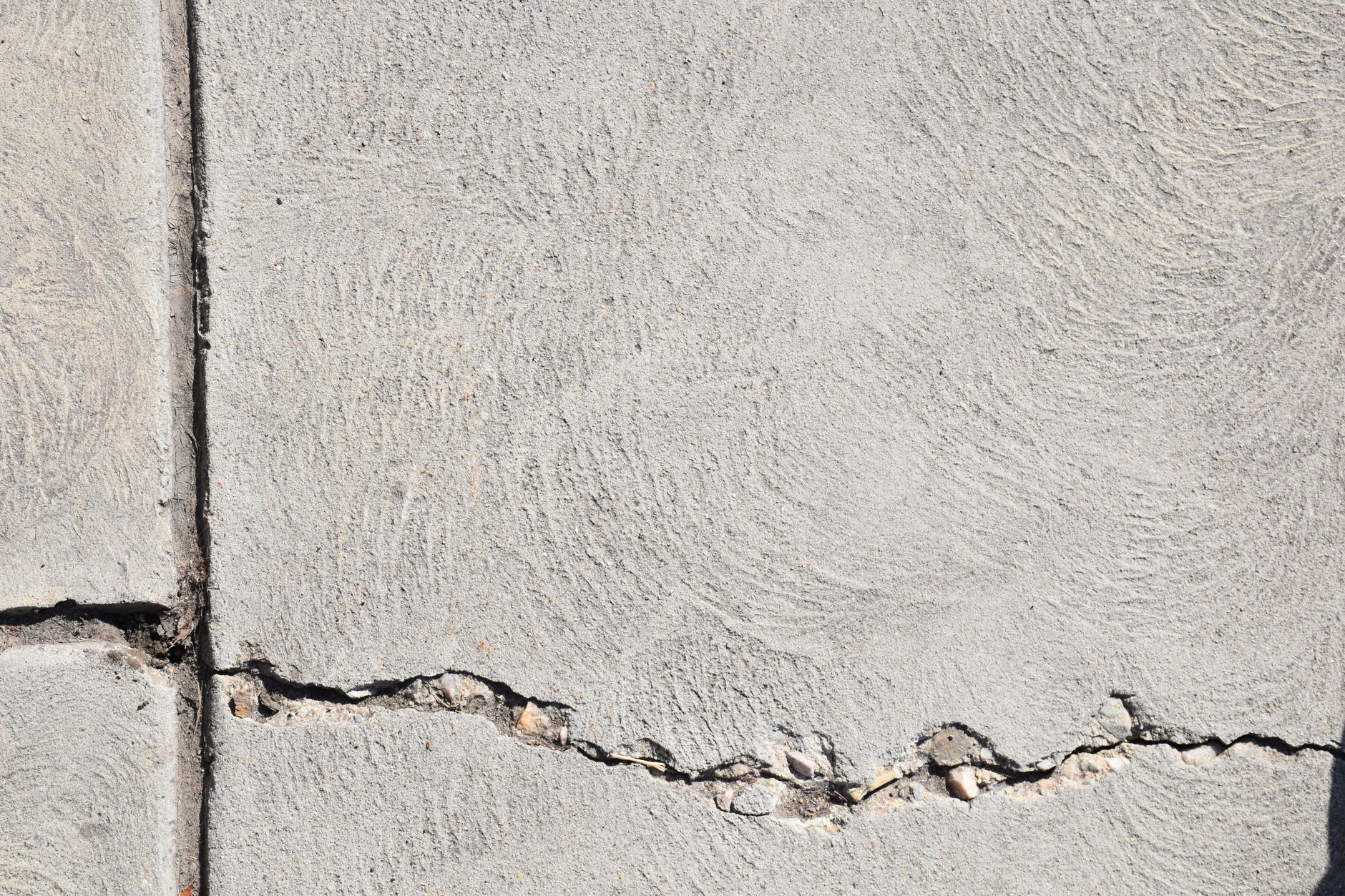
cracked concrete wall in close up photography

Concrete is exceptionally strong under compression, which makes it ideal for foundations, floors, bridges, tunnels, and countless other structures. Its weakness is tension: when concrete is pulled, bent, struck, or subjected to repeated movement, cracks can begin to form.

Fiber-reinforced concrete, commonly shortened to FRC, addresses this weakness by distributing small fibers throughout the concrete mixture. These fibers help bridge developing cracks, hold cracked sections together, and allow the concrete to absorb more energy before it fails. Depending on the fiber material, shape, dosage, and concrete mixture, FRC can provide better crack control, toughness, impact resistance, and post-cracking performance than conventional concrete alone.

FRC is already used in industrial floors, pavements, precast products, tunnels, bridge components, shotcrete, and repair materials. However, recent innovations are expanding what fiber-reinforced concrete may be able to do—and which materials can be used to make it.

How Fiber-Reinforced Concrete Works

In most FRC mixtures, short fibers are dispersed throughout the concrete rather than installed as long bars or sheets. When a crack begins to open, fibers crossing that crack can continue transferring force from one side to the other.

This does not necessarily prevent every crack from forming. Instead, the fibers can encourage the formation of smaller, more closely spaced cracks rather than allowing one large crack to grow unchecked. They may also give the concrete useful strength and toughness after cracking has begun.

The result depends heavily on fiber distribution and orientation. Fibers that clump together or fail to cross the critical cracks will provide less benefit. For that reason, proper mixture design, batching, placement, and finishing are just as important as selecting the fiber itself. ACI guidance recognizes that fiber material, geometry, dosage, and interaction with the concrete matrix all influence performance.

Fibers can sometimes supplement or replace certain forms of conventional reinforcement, particularly reinforcement intended to control shrinkage and temperature cracking. However, simply adding fibers does not automatically eliminate the need for reinforcing bars. Structural replacement must be supported by engineering calculations, testing, specifications, and applicable codes.

Materials Used in Fiber-Reinforced Concrete

One of the most interesting features of FRC is the variety of fibers now available. Each material changes the concrete in a different way.

Steel Fibers

Steel remains one of the most established choices for structural FRC. Steel fibers may be straight, crimped, twisted, or manufactured with hooked ends that improve their grip within the concrete.

They are especially useful where toughness, impact resistance, fatigue performance, or post-cracking load capacity is important. Common applications include industrial floors, tunnel linings, precast components, pavements, and ultra-high-performance concrete.

Steel fibers can provide substantial reinforcement, but they also add weight and may affect workability. Fibers exposed near the surface can develop rust staining, although this does not always indicate significant internal deterioration.

Synthetic Fibers

Synthetic fibers are commonly manufactured from polypropylene, polyethylene, nylon, or polyvinyl alcohol.

Very fine synthetic microfibers are often used to reduce plastic shrinkage cracking while concrete is still young. Larger structural synthetic fibers, sometimes called macrofibers, can provide greater post-cracking performance and may replace welded-wire reinforcement or other secondary reinforcement in properly designed applications. ACI has noted the growing use of macrofibers where secondary steel reinforcement would traditionally have been considered.

Synthetic fibers do not corrode, are comparatively lightweight, and can be easier to handle than steel. Their stiffness, bond behavior, long-term deformation, and temperature resistance differ from those of steel, so the fibers must be selected for the actual service conditions.

Glass Fibers

Glass fibers can improve tensile and flexural behavior without introducing steel corrosion. In cement-based products, alkali-resistant glass is generally used because ordinary glass can be attacked by the highly alkaline concrete environment.

Glass-fiber-reinforced concrete is frequently associated with thin architectural panels, decorative features, façade elements, and lightweight precast components. Researchers are also studying glass fibers in newer applications such as 3D-printed mortar, where fiber length must be balanced against pumpability, extrusion, layer bonding, and mechanical performance.

Basalt Fibers

Basalt fibers are produced from melted volcanic rock. They are attracting attention because they offer high tensile strength, relatively low weight, resistance to corrosion, and the potential to occupy a middle ground between conventional glass and higher-cost carbon fibers.

Recent studies have examined basalt in self-compacting concrete and in hybrid mixtures containing multiple fiber types. Research published in 2025, for example, investigated combinations of basalt and carbon fibers to determine whether they could produce complementary mechanical and environmental benefits.

Basalt is promising, but performance still depends on fiber treatment, manufacturing quality, concrete chemistry, and long-term exposure conditions.

Carbon Fibers

Carbon fibers are lightweight, strong, stiff, corrosion-resistant, and electrically conductive. Their cost generally limits their use in ordinary concrete, but their conductivity creates opportunities that other fibers cannot easily provide.

Carbon-fiber cementitious materials are being developed not only for reinforcement but also for self-sensing concrete. When the material is strained or damaged, changes within its conductive network can alter its electrical resistance. In principle, this allows a structure to provide information about loading or cracking without relying entirely on separate embedded sensors. Recent transportation research has demonstrated significant sensing responses in mixtures containing small quantities of carbon fiber.

Natural and Plant-Based Fibers

Researchers are also studying cellulose, hemp, flax, jute, sisal, coconut, bamboo, and other plant-derived fibers. These materials may reduce reliance on energy-intensive manufactured fibers while creating useful applications for agricultural byproducts.

The difficulty is consistency and durability. Natural fibers can absorb water, vary from one source to another, and degrade or lose effectiveness in an alkaline cement environment. Recent research is therefore focused on chemical treatments, coatings, mineralization, and alternative binders that improve the bond between the fiber and the surrounding matrix.

Natural-fiber concrete remains an active research area rather than a universal replacement for established structural fibers.

Recycled Fibers

Waste materials are becoming another important source of reinforcement. Researchers have tested steel recovered from discarded tires, recycled plastic fibers, textile waste, and fibers reclaimed from other industrial products.

Recycled tire steel is particularly interesting because tires contain high-strength wire that would otherwise require recycling or disposal. A 2024 California Department of Transportation review examined opportunities for recycled fibers in concrete pavements and bridge decks, while newer studies have investigated replacing part of the manufactured steel-fiber content with fibers recovered from tires.

The challenge is quality control. Recycled fibers may have irregular lengths, shapes, contamination levels, or surface conditions. Processing and classification must become reliable before these materials can be specified as consistently as purpose-made fibers.

Current Innovations Shaping Fiber-Reinforced Concrete

Fiber-reinforced concrete is no longer limited to adding a single type of fiber to a conventional mixture. Much of today’s research treats the fiber, binder, manufacturing method, and monitoring system as parts of one engineered material.

Ultra-High-Performance Fiber-Reinforced Concrete

One of the most mature innovations is ultra-high-performance concrete, or UHPC. UHPC combines a very dense cementitious matrix with high-strength fibers, commonly steel, to produce exceptional compressive strength, durability, and sustained tensile resistance after cracking.

UHPC is increasingly used for bridge connections, repairs, joint replacements, and protective overlays. An FHWA technical note published in December 2024 reported that UHPC overlays had been installed on more than 30 U.S. bridges by 2023. These overlays are intended to extend service life by adding a thin, durable, fiber-reinforced layer to an existing bridge deck.

Current work is also aimed at developing nonproprietary UHPC mixtures that can use more locally available materials and reduce cost barriers.

Hybrid Fiber Systems

A single fiber does not have to perform every job. Hybrid FRC combines two or more fiber types or sizes.

Microfibers may control early shrinkage and very small cracks, while longer steel or synthetic fibers manage larger cracks after the concrete hardens. Other combinations—such as steel and polypropylene or basalt and carbon—are being studied to balance strength, toughness, durability, workability, conductivity, and cost.

This multiscale approach is one of the clearest directions in current FRC development because cracking occurs at several different sizes and stages.

Fiber-Reinforced 3D-Printed Concrete

Concrete printing creates a new reinforcement problem. Traditional reinforcing bars are difficult to place continuously through material deposited layer by layer, and printed components can be weaker along the boundaries between layers.

Short fibers can be mixed directly into printable mortar, helping control cracking and improve flexural performance. However, fibers also change how the mixture flows through pumps and nozzles. They may align with the printing direction, creating better performance in one direction than another.

Recent studies have compared polypropylene, basalt, steel, and glass fibers in printable mixtures. Current research is focused on fiber length, nozzle geometry, layer bonding, print direction, and automated placement methods that can create more predictable reinforcement.

Smart and Self-Monitoring Concrete

Conductive carbon, steel, graphite, graphene-related materials, and other additives may allow concrete to act as part of a structural monitoring system.

As cracks form or loads change, the electrical pathways through the material also change. Engineers may eventually use these signals to monitor bridges, pavements, industrial floors, or critical structures in real time.

The concept is promising, but self-sensing concrete still requires reliable calibration, durable electrical connections, standardized testing, and methods for distinguishing structural damage from changes caused by moisture or temperature. Reviews published in 2025 found that sensing performance can vary substantially with filler type, concentration, matrix composition, electrode arrangement, and testing method.

Lower-Carbon Binders and Recycled Reinforcement

Researchers are pairing fibers with lower-carbon cementitious systems, including mixtures containing supplementary cementitious materials and geopolymer binders.

The goal is not merely to make concrete stronger. It is to extend service life while reducing the environmental impact of both the binder and reinforcement. Fiber-reinforced geopolymer concrete, natural fibers, recycled tire fibers, and digitally optimized mixtures are all part of this effort.

However, a material is not automatically sustainable because it includes a recycled fiber. Processing requirements, transportation, durability, cement content, service life, and end-of-life options must all be considered.

Fiber-Reinforced Concrete vs. FRP

Fiber-reinforced concrete is sometimes confused with fiber-reinforced polymer, or FRP. Both materials use fibers, but the similarities largely end there.

In FRC, the matrix surrounding the fibers is cementitious concrete or mortar. The fibers are usually short and dispersed throughout the mixture.

In FRP, the matrix is a polymer resin, reinforced with glass, carbon, basalt, or other fibers. The fibers may be continuous and carefully oriented to provide strength in specific directions. FRP can be manufactured as tanks, piping, ducts, grating, platforms, panels, bridge decks, structural shapes, reinforcing bars, or strengthening wraps.

Weight and Strength

FRC retains the weight of concrete. It can be extremely strong and tough, but it remains a relatively heavy construction material.

FRP is much lighter and offers a high strength-to-weight ratio. Its directional fiber arrangement allows a component to be engineered around specific loads. FHWA identifies light weight and corrosion resistance as major advantages of FRP bridge decks, GFRP reinforcing bars, CFRP prestressing materials, and pultruded structural members.

Corrosion and Chemical Exposure

FRC made with nonmetallic fibers avoids fiber corrosion, but the concrete matrix itself can still be affected by acids, chlorides, freeze-thaw exposure, abrasion, and other aggressive conditions. Steel-fiber systems require additional consideration where exposed fibers or severe chemical conditions are expected.

Properly selected FRP systems provide excellent resistance to corrosion and many chemicals. The resin, fiber, protective surface, fabrication method, and operating temperature must still be matched to the environment; FRP is corrosion-resistant, not universally immune to every chemical.

Fire and High Temperatures

Concrete is noncombustible and generally provides useful fire protection, although high temperatures can still cause cracking, spalling, and strength loss.

FRP requires different fire and temperature considerations because its polymer matrix can soften or degrade as temperature rises. Fire-retardant resins, protective systems, insulation, and project-specific testing may be needed where fire exposure is credible. Recent reviews continue to identify temperature sensitivity and resin glass-transition behavior as central issues in the fire design of structural FRP systems.

Fabrication and Installation

FRC is normally mixed, pumped, cast, sprayed, or printed using modified concrete construction methods. This makes it familiar to much of the construction industry, although fiber dosing can affect mixing and finishing.

FRP components are typically manufactured before installation through processes such as pultrusion, molding, filament winding, or laminate fabrication. Their low weight can reduce lifting requirements and allow large components to be installed more quickly.

Typical Applications

FRC is often the stronger candidate for slabs, pavements, tunnel linings, precast concrete, shotcrete, structural connections, and wear-resistant overlays.

FRP may be preferable for corrosion-resistant tanks, piping, grating, walkways, platforms, ducts, bridge decks, structural profiles, and strengthening systems. It can also be used inside concrete as GFRP reinforcing bar. The publication of ACI CODE 440.11-22 established code requirements for structural concrete reinforced with GFRP bars, representing an important step toward broader adoption in corrosion-sensitive and nonmagnetic applications.

Complementary Materials, Not Direct Replacements

The most useful comparison between FRC and FRP is not simply which material is stronger. Each solves a different group of problems.

FRC preserves the mass, rigidity, fire performance, and familiarity of concrete while improving crack control and toughness. FRP offers low weight, corrosion resistance, design flexibility, and the ability to manufacture complete components with fibers positioned in deliberate directions.

In many projects, the two materials can work together. A structure might use fiber-reinforced concrete for its deck or foundation, GFRP bars in corrosion-sensitive areas, FRP panels or grating above the concrete, and externally bonded FRP laminates to strengthen aging structural members. ACI’s publication of separate design provisions for FRC, GFRP-reinforced concrete, and FRP strengthening systems reflects the growing maturity of these related but distinct technologies.

The Future of Fiber-Reinforced Construction

The future of FRC will likely involve more than stronger concrete. Researchers and manufacturers are developing materials that use recycled resources, monitor their own condition, work with automated construction equipment, and achieve high performance with less material.

Some innovations—particularly steel and synthetic FRC, UHPC, and GFRP reinforcing bars—are already supported by substantial field experience and engineering guidance. Others, including widespread self-sensing concrete, natural structural fibers, and automatically reinforced 3D-printed buildings, still require further testing and standardization.

What is clear is that fibers are giving engineers more control over how concrete cracks, carries loads, and survives demanding environments. At the same time, FRP continues to provide a lightweight and corrosion-resistant option where conventional concrete or steel may not be the best fit.

Rather than competing for every application, FRC and FRP are expanding the range of materials available for longer-lasting, more efficient, and more adaptable construction.

This post was created using Generative AI; information may be inaccurate.
Posted on Leave a comment

Fiberglass Doors: A Practical Guide to Their Benefits, Uses, and Limitations

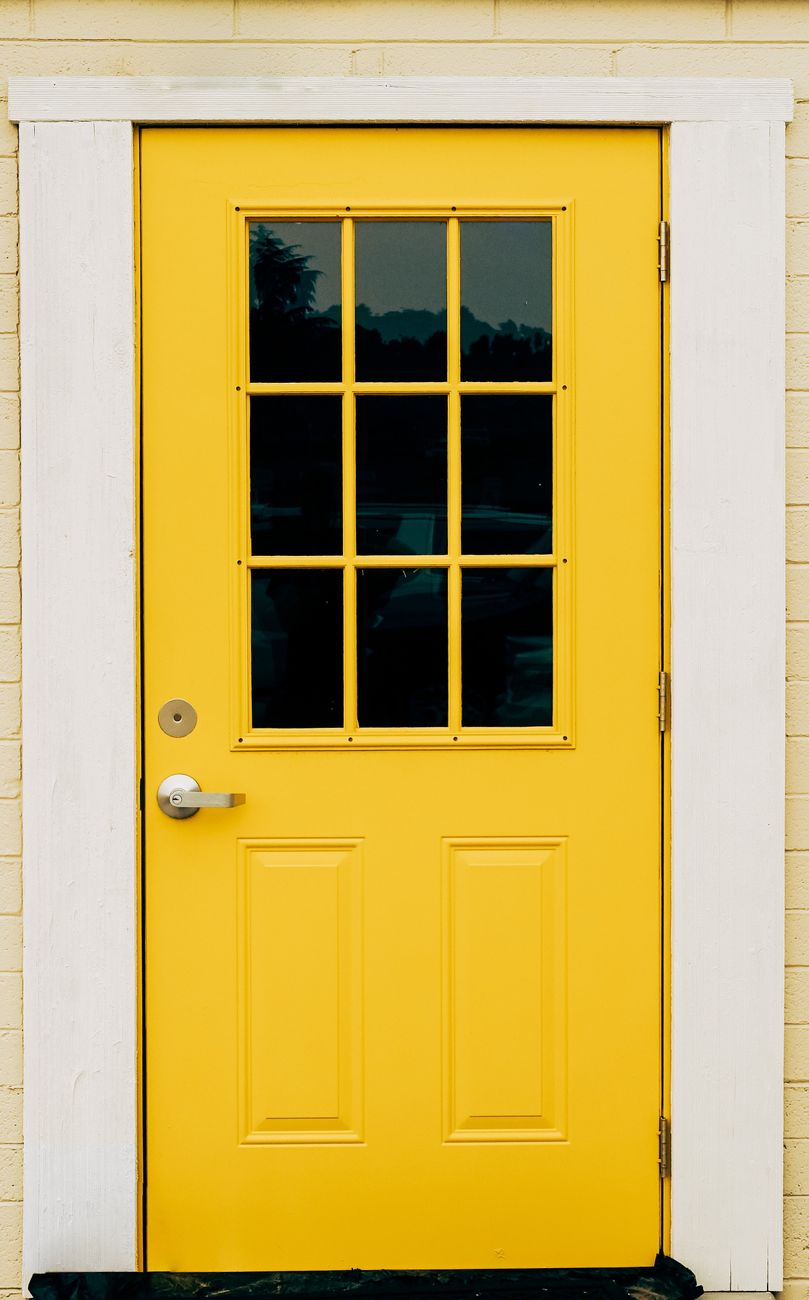
yellow wooden door with gold lever

When choosing a door, most people immediately think of wood, steel, aluminum, or glass. Fiberglass, however, has become an increasingly practical option for homes, businesses, industrial facilities, and other demanding environments.

Fiberglass doors can offer the appearance of traditional materials while providing strong resistance to moisture, corrosion, weather, and everyday wear. They are not necessarily the best choice for every opening, but in the right application, they can provide years of reliable service with relatively little maintenance.

What Is a Fiberglass Door?

A fiberglass door is made using glass fibers combined with a resin system to create a strong composite material. Depending on the door’s purpose, it may include:

  • A fiberglass-reinforced outer skin
  • A foam or structural core
  • Internal reinforcement around locks, hinges, and hardware
  • A smooth, textured, or wood-grain surface
  • A protective coating or pigmented finish

Some fiberglass doors are designed to resemble painted or stained wood, while others are built primarily for performance in commercial or industrial environments.

The term “fiberglass door” can therefore describe anything from a decorative residential entry door to a heavy-duty, corrosion-resistant door used in a chemical processing facility.

Why Are Fiberglass Doors Popular?

Fiberglass combines several useful characteristics that can be difficult to find in a single traditional material.

Resistance to Moisture

Wooden doors can absorb moisture, swell, warp, crack, or rot when repeatedly exposed to water and humidity. Fiberglass does not absorb moisture in the same way, making it useful for exterior entrances, pool areas, washdown spaces, coastal locations, and humid climates.

This moisture resistance also helps fiberglass doors maintain their shape and fit over time.

Corrosion Resistance

Steel doors are strong, but scratches or damaged coatings can expose the metal underneath and allow rust to develop. Fiberglass itself does not rust.

For that reason, fiberglass doors are often considered for locations exposed to salt, chemicals, fertilizers, cleaning agents, wastewater, or corrosive fumes.

Low Maintenance

Fiberglass doors generally require less upkeep than natural wood. They do not need to be regularly sanded, sealed, or refinished simply to prevent rot.

Maintenance usually consists of routine cleaning, inspecting the finish and hardware, and touching up damaged coatings when necessary.

Durability

A properly manufactured fiberglass door can withstand regular use, changing weather conditions, and minor impacts without developing many of the problems associated with wood or untreated metal.

Performance will still depend on the door’s construction, thickness, core, frame, hardware, and intended use. A lightweight residential door and a reinforced industrial door should not be expected to perform the same way.

Design Flexibility

Fiberglass can be manufactured with different textures, shapes, colors, reinforcements, and finishes. Residential doors may include realistic wood-grain patterns, decorative panels, sidelights, or glass inserts.

Commercial and industrial doors may be built with smooth surfaces, vision panels, louvers, kick plates, specialty hardware, or custom dimensions.

Fiberglass Doors Versus Wood Doors

Wood remains popular because of its natural appearance and traditional character. However, it can require considerable maintenance, especially when exposed to rain, sunlight, and humidity.

Fiberglass doors can reproduce much of the appearance of wood without being as vulnerable to swelling, splitting, or rot. They are often a practical alternative when someone wants a wood-like appearance but prefers lower maintenance.

Wood may still be preferred for historic buildings, premium architectural projects, or applications where authentic grain and craftsmanship are the main priorities.

Fiberglass Doors Versus Steel Doors

Steel doors are widely used because they are strong, familiar, and often economical. They are common in commercial buildings, warehouses, schools, and utility spaces.

Fiberglass may have an advantage in wet or corrosive environments because it does not rust. It can also be easier to maintain where steel coatings would be frequently damaged or degraded.

Steel may remain the better choice when maximum security, fire-rating availability, impact resistance, or a lower initial purchase price is the primary concern. The correct choice depends on the specific door assembly rather than the surface material alone.

Where Are Fiberglass Doors Used?

Fiberglass doors are available for a surprisingly wide range of applications.

Homes

Residential fiberglass doors are commonly used as front doors, patio entrances, garage entry doors, and side entrances. They can provide good weather resistance and may be manufactured with insulated cores to help reduce heat transfer.

They are especially useful in areas where wooden doors tend to swell or deteriorate because of humidity and rain.

Commercial Buildings

Businesses may use fiberglass doors for exterior entrances, restrooms, kitchens, service corridors, storage rooms, and areas that are frequently cleaned.

Their low-maintenance surfaces and moisture resistance can be valuable in restaurants, retail facilities, offices, recreational centers, and public buildings.

Industrial Facilities

Industrial fiberglass-reinforced plastic, or FRP, doors are often selected for environments where corrosion is a serious concern. Examples include:

  • Chemical processing plants
  • Water and wastewater facilities
  • Food and beverage plants
  • Pulp and paper facilities
  • Laboratories
  • Coastal and offshore locations
  • Agricultural facilities
  • Battery rooms
  • Washdown areas

In these settings, the door, frame, hinges, fasteners, and hardware must all be selected for the environment. A corrosion-resistant door will provide limited benefit if it is installed with hardware that quickly rusts or degrades.

Pools, Aquatic Centers, and Locker Rooms

High humidity, chlorine, and frequent cleaning can be hard on conventional doors. Fiberglass doors are often well suited to pool equipment rooms, aquatic centers, locker rooms, showers, and related facilities.

Are Fiberglass Doors Energy Efficient?

Many residential fiberglass doors contain an insulating foam core. This can provide better thermal performance than a solid, uninsulated door.

However, energy efficiency depends on the complete assembly, including:

  • The door core
  • Glass inserts
  • Weatherstripping
  • Thresholds
  • Frame construction
  • Installation quality
  • Air leakage around the opening

A high-quality insulated door will not perform well if it is poorly installed or does not seal correctly.

When comparing exterior doors, look for the door assembly’s published energy-performance information rather than assuming all fiberglass doors provide the same insulation.

Can Fiberglass Doors Be Painted or Stained?

Many fiberglass doors can be painted, and certain residential models are designed to accept stain-like finishes that highlight molded wood-grain textures.

The correct preparation process depends on the manufacturer, surface coating, and resin system. In general, the surface should be clean, dry, and free of contaminants before a compatible primer, paint, or finish is applied.

Using an incompatible coating can lead to poor adhesion, peeling, discoloration, or surface damage. Manufacturer recommendations should always be followed.

Potential Limitations of Fiberglass Doors

Fiberglass offers many advantages, but it is important to understand its limitations.

Initial Cost

Some fiberglass doors cost more upfront than basic steel or hollow-core alternatives. The added cost may be justified by reduced maintenance and longer service life, particularly in wet or corrosive environments.

Repair Considerations

Minor scratches or coating damage may be relatively easy to address, but severe cracks, delamination, or structural damage can require specialized repair or complete replacement.

Quality Varies

Not every fiberglass door is built to the same standard. Thin skins, weak internal reinforcement, poor-quality cores, or inadequate hardware support can reduce durability.

The intended application should guide the choice. A decorative residential door should not be substituted for an industrial FRP door simply because both are described as fiberglass.

Fire and Building Code Requirements

Fiberglass doors are not automatically fire-rated. When an opening requires a fire-rated assembly, the door, frame, hardware, glazing, and installation must all meet the applicable rating and code requirements.

Always verify certifications before purchasing a door for a regulated opening.

Expansion and Installation

Although fiberglass is dimensionally stable in many conditions, composite materials still react to temperature changes. Proper clearances, fastening methods, and installation procedures are important, particularly for large doors or locations with extreme temperature swings.

What Should You Look for When Buying a Fiberglass Door?

Before choosing a fiberglass door, consider the environment and how the opening will be used.

Important questions include:

  • Will the door be indoors or outdoors?
  • Will it be exposed to rain, salt, chemicals, or high humidity?
  • How frequently will it be opened?
  • Does it need insulation?
  • Is a fire rating required?
  • Does it need windows, louvers, or access-control hardware?
  • Is impact resistance important?
  • Will carts, forklifts, or equipment regularly pass through the opening?
  • Are the frame and hardware compatible with the environment?
  • Is a standard size suitable, or is custom fabrication needed?

For commercial and industrial applications, it is helpful to provide the manufacturer with information about chemical exposure, temperatures, cleaning procedures, traffic levels, and required hardware.

How to Maintain a Fiberglass Door

Fiberglass doors are generally low maintenance, but they should not be ignored completely.

Routine care may include:

  1. Cleaning the surface with mild soap and water.
  2. Inspecting hinges, closers, locks, and other moving parts.
  3. Checking weatherstripping and seals.
  4. Looking for cracks, chips, or damaged coatings.
  5. Keeping thresholds and drainage areas clear.
  6. Touching up compatible finishes when required.
  7. Checking fasteners and hardware for corrosion.

Harsh abrasives and incompatible solvents should be avoided unless approved by the manufacturer.

Is a Fiberglass Door the Right Choice?

Fiberglass doors are worth considering when moisture resistance, corrosion resistance, low maintenance, insulation, or long-term durability are important.

For homeowners, they can provide the appearance of wood without many of its maintenance demands. For businesses, they can offer a durable and easy-to-clean entrance. For industrial facilities, a properly engineered FRP door system can continue operating in environments that quickly damage conventional materials.

The best door is ultimately the one matched to the conditions surrounding it. By considering exposure, traffic, security, insulation, codes, hardware, and maintenance requirements, buyers can determine whether fiberglass provides a meaningful advantage for their application.

This post was created using Generative AI; information may be inaccurate.

Posted on Leave a comment

Built for the Celebration: Fiberglass and America’s 250th Fourth of July

sunlit american flag waving in minnesota sky

On July 4, 2026, the United States will mark 250 years since the signing of the Declaration of Independence. Communities across the country are preparing for larger fireworks displays, festivals, concerts, cookouts, pool parties, and other events commemorating the occasion.

Fiberglass probably will not be the first thing most people associate with the Fourth of July. However, fiberglass-reinforced plastic, commonly called FRP, can be found in many of the products and facilities that help these celebrations operate safely and reliably.

Some applications are easy to spot. Others do their work behind the scenes. Together, they demonstrate why fiberglass has become such a useful material for outdoor recreation, public infrastructure, food service, entertainment, and custom manufacturing.

Behind the Fireworks Display

A professional fireworks show requires considerably more equipment than the shells visible in the sky. Before a display begins, crews must arrange firing systems, racks, electrical connections, safety zones, and mortar tubes designed to launch aerial shells.

Purpose-built fiberglass mortar tubes are used in certain consumer and professional fireworks systems. Their relatively low weight can make large display setups easier to transport and arrange. Fiberglass also behaves differently from metal or improvised plastic pipe if a shell fails inside a tube. Commercial fiberglass mortars are designed for this specialized application and generally split or tear rather than producing the heavy fragments associated with some other materials.

That does not make fireworks equipment a do-it-yourself fiberglass project. Mortars must be manufactured for the intended shell size, inspected regularly, installed correctly, and used only by people following applicable safety standards and local laws. Ordinary PVC pipe should never be substituted for an approved fireworks mortar.

Most spectators will never see this part of the display, but specialized composite equipment may be working on the ground long before the first firework appears overhead.

Pools Made for Summer Gatherings

For many families, the Fourth of July is as closely associated with swimming as it is with fireworks. Fiberglass pool shells are molded as complete structures before being transported to the installation site. Once installed correctly, they provide a smooth, durable surface that does not require the liner replacement associated with vinyl pools.

The smooth finish also makes routine cleaning easier and gives algae fewer rough areas in which to take hold. That can mean less time spent preparing the pool and more time using it during the hottest part of the year.

Fiberglass is not limited to the main pool shell. Molded steps, benches, water features, equipment covers, slides, and other custom components may also use composite construction. At larger recreational facilities, fiberglass products can appear in platforms, railings, grating, and equipment associated with pumps and water-treatment systems.

A pool may be the centerpiece of a July gathering, but much of its value comes from materials that can tolerate water, sunlight, cleaning chemicals, and repeated use.

Safer Surfaces Around Water and Crowds

Large Fourth of July celebrations are often held near rivers, lakes, marinas, parks, pools, and waterfront entertainment districts. These locations create a difficult combination of moisture, foot traffic, weather exposure, and maintenance requirements.

FRP grating is frequently used for walkways, stair treads, platforms, docks, drainage covers, and equipment-access areas. Unlike ordinary steel, fiberglass does not rust when exposed to water. Grating can also be manufactured with textured or grit surfaces that provide additional traction in wet areas.

Because FRP grating is lighter than comparable steel products, sections can be easier to transport and install. Its nonconductive properties are also valuable around electrical equipment, pumps, lighting systems, and other utilities.

Visitors may simply see a walkway leading to a viewing area. Facility managers see a surface that must handle wet shoes, spilled drinks, summer storms, cleaning, and thousands of footsteps without becoming a constant maintenance problem.

Food Service and Cleanup Areas

Cookouts are part of the holiday, but large public celebrations require more than a few backyard grills. Food trucks, concession buildings, festival kitchens, dishwashing stations, and temporary preparation areas must cope with heat, grease, humidity, spills, and frequent cleaning.

Fiberglass-reinforced wall panels are widely used in commercial food-service environments because they provide a durable, moisture-resistant surface that can be washed repeatedly. In a concession stand or festival kitchen, FRP panels help protect walls behind cooking, preparation, and cleanup areas.

It is important to distinguish these panels from cutting boards or direct food-contact surfaces. Their role is typically to create a cleanable wall system around the work area rather than serving as the surface on which food is prepared.

This is a less visible application than a pool or fireworks display, but it can make a major difference in spaces that must be cleaned quickly and returned to service after a crowded event.

Outdoor Games That Can Handle the Weather

Cornhole has become a standard feature at backyard cookouts, company gatherings, festivals, and community celebrations. Traditional wooden boards play well, but they can swell, warp, split, or delaminate when repeatedly exposed to rain and humidity.

All-weather boards are increasingly made from plastics and composite materials. A properly designed fiberglass-composite board can provide a rigid playing surface while resisting moisture and offering more design flexibility than unfinished wood. Molded or laminated construction can also incorporate custom graphics, logos, colors, handles, storage features, or reinforced edges.

Fiberglass does not automatically make a better cornhole board. The surface texture, bounce, weight, frame design, and finish still determine how well it plays. The real benefit appears when a board must remain stable through outdoor storage, transportation, changing weather, and repeated event use.

The same reasoning applies to custom outdoor tables, benches, utility carts, and game components. Fiberglass is most useful when the product needs more than a patriotic paint job—it needs to withstand the conditions surrounding the celebration.

Protecting the Equipment That Keeps Events Running

Modern Fourth of July events depend on electricity. Sound systems, stage lighting, pumps, timers, communications equipment, traffic controls, and automated firing systems all require connections that may be exposed to rain, dust, heat, and accidental impact.

Weather-rated fiberglass enclosures are commonly used to protect electrical and electronic components outdoors. They resist corrosion, do not conduct electricity, and can be manufactured with gasketed covers that help keep moisture and debris away from sensitive equipment.

At a large event, these enclosures may protect the controls for a fountain, lighting display, sound system, pump station, or utility installation. They are rarely noticed unless something stops working—which is exactly why dependable enclosure materials matter.

A Practical Material for a Historic Celebration

America’s 250th anniversary is an opportunity to look back at the country’s history, but it is also an opportunity to consider how American communities continue to build, adapt, and improve.

Fiberglass represents that practical side of progress. It can be molded into complex shapes, reinforced for structural use, formulated for demanding environments, and repaired or customized for highly specific applications. It does not replace every traditional material, nor should it. Its value comes from choosing it where resistance to moisture, corrosion, chemicals, electricity, or repeated outdoor use provides a genuine advantage.

As people gather for fireworks, swimming, food, games, concerts, and community events on July 4, many of the materials supporting those activities will remain unnoticed. That is often the mark of a successful product: it performs its job so reliably that the people using it can concentrate on the occasion itself.

At Custom Fiberglass Products, we manufacture and fabricate fiberglass solutions for industrial, commercial, recreational, and custom applications. From platforms, grating, enclosures, and equipment components to one-of-a-kind molded products, we help customers develop products that are built for their actual operating conditions.

As the country celebrates 250 years, we are proud to be part of the American manufacturing tradition—and to keep building products designed for what comes next.