This post was created using Generative AI; information may be inaccurate.
In the ever-evolving world of 3D printing, materials are just as important as the machines themselves. While hard plastics like PLA and ABS have long dominated the scene, there’s a growing trend toward softer, more flexible materials. Enter TPU (Thermoplastic Polyurethane)—a flexible filament that feels a bit like rubber and opens up an entirely different realm of possibilities.
What Is TPU and Why Is It Special?
TPU is a type of thermoplastic elastomer known for its elasticity, durability, and abrasion resistance. It bridges the gap between rigid plastics and soft rubbers, making it a go-to material for prints that need to bend, stretch, or absorb impact.
Compared to traditional filaments:
- It’s flexible: TPU can bend without breaking.
- It’s strong: Despite its flexibility, it resists wear and tear.
- It’s chemical and oil resistant: Making it ideal for industrial use.
- It’s grippy: Which is useful in cases where friction or tactile feedback matters.
Applications of TPU in 3D Printing
So, what’s actually being made with TPU? Turns out, quite a bit. Here are just a few examples of how industries are using this soft-yet-strong material:
1. Footwear and Orthotics
Brands like Adidas and Nike have experimented with 3D-printed midsoles and custom insoles using TPU. Its shock-absorbing nature and customizability make it ideal for personalized footwear, whether it’s for comfort, performance, or medical purposes.
2. Automotive and Aerospace
TPU’s ability to dampen vibrations and resist oil and grease makes it suitable for gaskets, seals, air ducts, and protective covers inside engines and aircraft. These parts can be prototyped and even used directly in some non-critical components.
3. Medical Devices
Flexible braces, prosthetic liners, and ergonomic grips for surgical tools can be 3D-printed using TPU. Because it can conform to the body and withstand repeated use, it’s particularly valuable for patient-specific solutions.
4. Consumer Electronics
From phone cases to wearable bands, TPU offers the kind of resilience and comfort that rigid plastics just can’t match. Add in its decent impact resistance, and it’s a favorite for protective gear and casings.
5. Robotics and Prosthetics
In robotics, TPU is often used for components like grippers and bumpers, where flexibility and grip are crucial. For prosthetics, it helps create sockets and liners that need to flex with the human body without causing discomfort.
6. Sporting Goods
Everything from custom bicycle handle grips to flexible parts in drones and RC vehicles can benefit from TPU’s strength and bendability. It’s also being used for protective padding in helmets and gear.
Tips for Printing with TPU
Printing with TPU isn’t as straightforward as with rigid filaments. Here are a few tips for success:
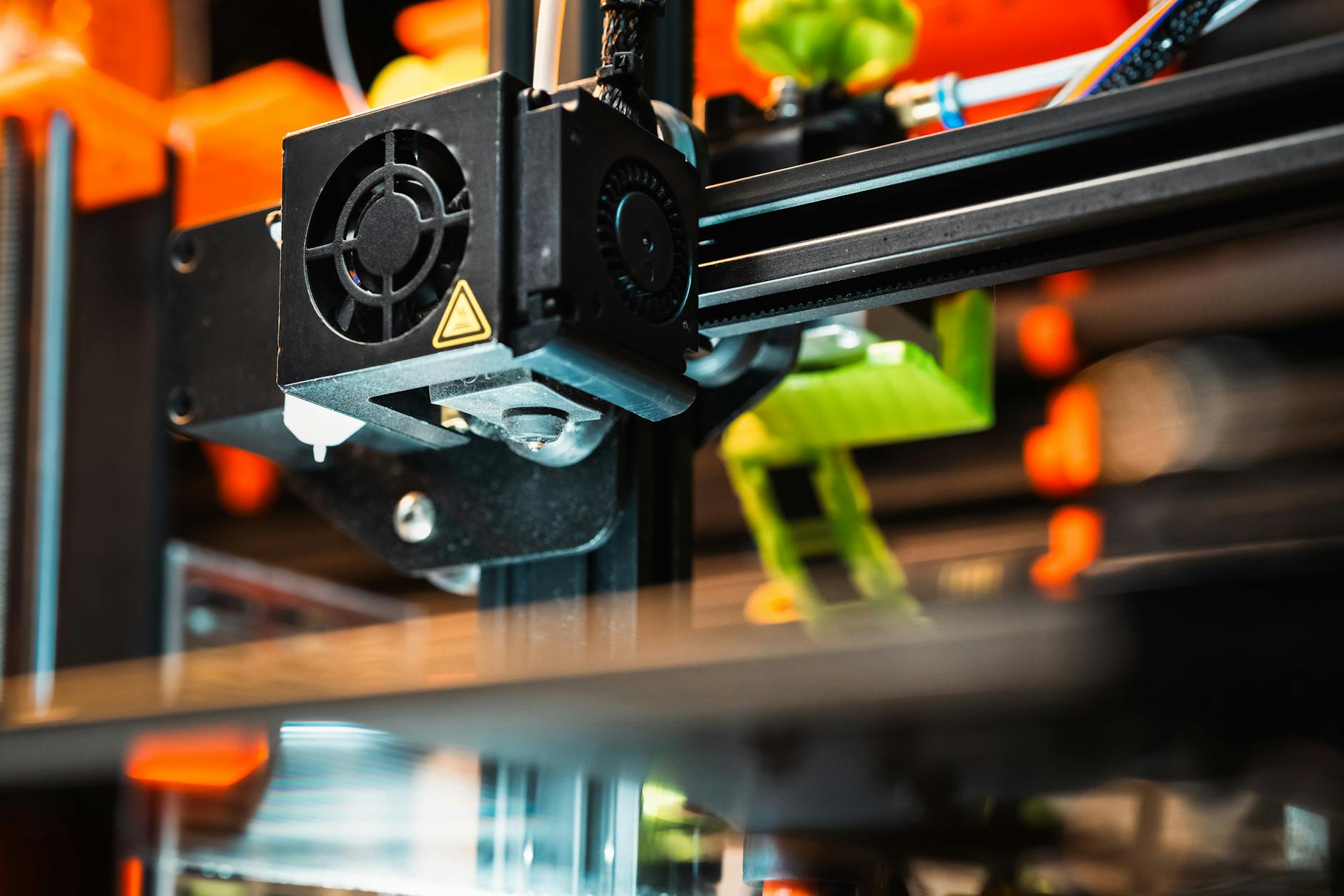
- Use a direct drive extruder: TPU can jam in Bowden setups due to its flexibility.
- Print slow: Around 20–30 mm/s is ideal.
- Lower retraction settings: Too much retraction can cause clogs.
- Keep filament dry: TPU absorbs moisture quickly, which can ruin prints.
- Use a smooth, clean bed surface: TPU sticks well to PEI or glass with a bit of glue stick for easy removal.
Final Thoughts
As 3D printing becomes more mainstream, so does the need for materials that go beyond rigid and brittle. Flexible materials like TPU offer exciting possibilities in industries that rely on adaptability, comfort, and toughness.
Whether you’re a hobbyist printing a custom phone case or a company prototyping soft robotic components, TPU is proving to be more than just a novelty—it’s a versatile solution in the future of manufacturing.