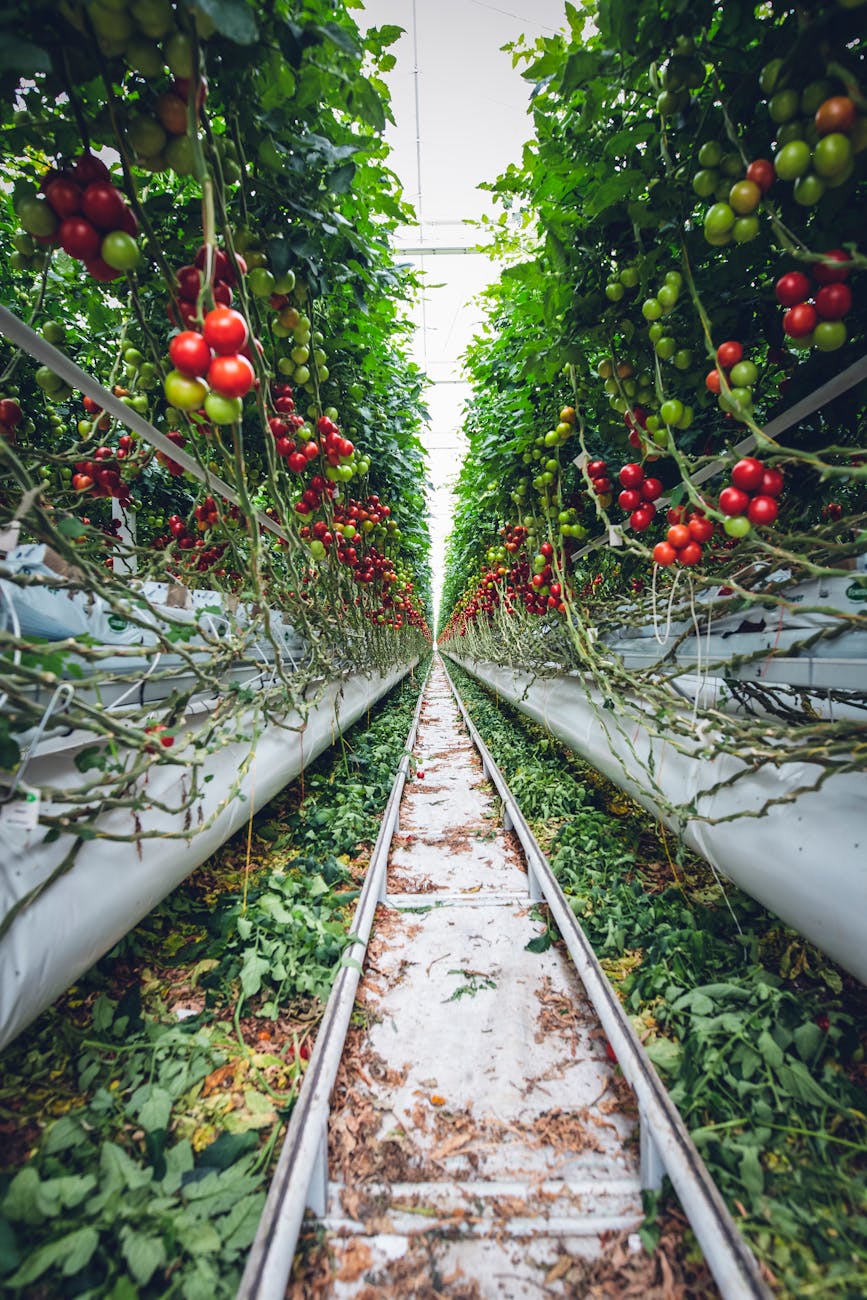
3D printing, fiberglass, and hydroponics: three innovative fields converging to revolutionize modern agriculture and gardening.
The combination of 3D printing and fiberglass technologies opens up a wealth of opportunities for advancing hydroponic farming—an efficient, soil-less cultivation method ideal for urban environments, small spaces, and controlled agricultural settings. Let’s explore how these innovative materials and methods come together to create more robust, customizable, and sustainable solutions in hydroponics.
The Power of 3D Printing in Hydroponics
3D printing offers incredible flexibility and customization potential for hydroponic systems. With this technology, growers can quickly and cost-effectively produce custom fittings, precise brackets, irrigation connectors, and intricate support structures designed specifically for their unique setup. Traditional manufacturing methods often struggle to achieve the complexity, specificity, and affordability that 3D printing provides effortlessly.
Additionally, 3D printing enables rapid prototyping and iterative design, empowering growers to continuously refine their systems based on real-time feedback and changing needs. Whether it’s a new style of net pot, optimized water channels, or a custom vertical farming arrangement, 3D printing can swiftly bring these ideas from concept to reality.
Why Fiberglass?
Fiberglass stands out as an ideal material for hydroponic systems due to its strength, durability, and lightweight characteristics. Unlike traditional plastics, fiberglass is significantly more resistant to environmental stresses such as water damage, corrosion, chemical degradation, and UV exposure. This makes it particularly suitable for outdoor hydroponic installations or greenhouse settings.
Fiberglass tanks, trays, and reservoirs provide excellent structural integrity, ensuring that hydroponic setups maintain their shape and functionality over years of continuous use. Their longevity reduces maintenance costs and improves overall sustainability by minimizing the need for frequent replacements.
Combining Strengths for Optimal Results
When fiberglass’s strength and durability meet the precision and versatility of 3D printing, growers can craft highly efficient, customized hydroponic systems that outperform standard solutions. For instance, you can create durable fiberglass trays fitted with custom-designed 3D printed channels optimized for water flow and nutrient distribution. Or develop a hydroponic tower supported by fiberglass scaffolding and enhanced with 3D printed components tailored for efficient planting and harvesting.
This hybrid approach enables growers to harness the best qualities of both materials, ensuring their hydroponic setups are more efficient, robust, and adaptable than ever before.
Sustainability and Future Possibilities
The integration of 3D printing and fiberglass technologies supports the push toward more sustainable agricultural practices. Customized systems use resources more efficiently, optimize plant growth, and require fewer repairs or replacements, significantly reducing waste and resource consumption.
Looking ahead, these technologies will only become more advanced and accessible. Imagine self-contained hydroponic units designed specifically for rooftop farming, urban gardening, or even spacecraft agriculture. The possibilities for innovation are virtually limitless.
Your Turn
Have you experimented with integrating fiberglass or 3D printing into your hydroponic or agricultural projects? What challenges and successes have you encountered? We’d love to hear about your experiences and insights in the comments below!
This post was created using Generative AI; information may be inaccurate.