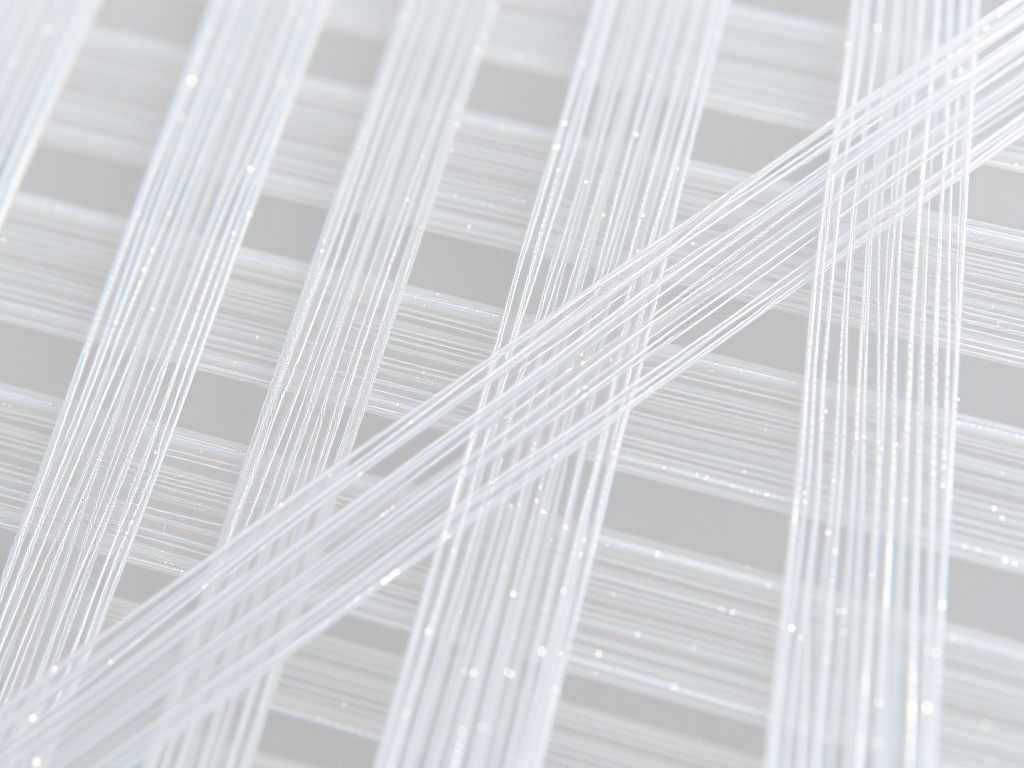
Introduction: What is FRP?
Fiber Reinforced Plastic (FRP) is a composite material made by embedding high-strength fibers in a polymer resin matrix. This combination creates a material that is:
- Stronger than traditional plastics
- Lightweight compared to metals
- Highly resistant to corrosion and environmental damage
FRP is widely used in industries like construction, aerospace, automotive, marine, chemical processing, and energy because it combines durability, flexibility, and customizability in one powerful package.
The Science Behind FRP
At its core, FRP is made up of two main components:
- Fiber Reinforcement – Provides tensile strength and stiffness
Common fibers include:- Glass Fiber (Fiberglass): Affordable, corrosion-resistant, widely used
- Carbon Fiber: Extremely strong and lightweight, ideal for aerospace and high-performance applications
- Aramid Fiber (Kevlar): High impact resistance, often used for ballistic and safety applications
- Basalt Fiber: Excellent thermal stability, growing in popularity for eco-friendly solutions
- Polymer Matrix (Resin) – Binds the fibers and transfers loads between them
Common resins:- Polyester Resin: Cost-effective, widely used in construction
- Vinyl Ester Resin: Superior chemical resistance, perfect for corrosive environments
- Epoxy Resin: High strength, great adhesion, used in aerospace and marine
- Phenolic Resin: Excellent fire resistance for transportation and industrial settings
Together, these materials produce a synergistic effect, making FRP much stronger and more versatile than either material on its own.
Key Properties of FRP
- High Strength-to-Weight Ratio: Stronger than steel by weight, yet significantly lighter
- Corrosion Resistance: Performs well in harsh chemical and marine environments
- Fatigue and Impact Resistance: Maintains integrity under repeated loading
- Thermal and Electrical Insulation: Non-conductive, ideal for electrical applications
- Design Flexibility: Can be molded into complex shapes with ease
- Low Maintenance: Long lifespan with minimal upkeep
Manufacturing Techniques for FRP
There are multiple methods for producing FRP components, each suited for different applications:
1. Hand Lay-Up
- Fiberglass mats or woven fabrics are layered manually with resin.
- Common in boat building, tanks, and custom parts.
2. Spray-Up
- Fiberglass and resin sprayed together into a mold.
- Ideal for large surfaces with minimal structural load.
3. Pultrusion
- Continuous fibers pulled through resin and a heated die.
- Creates beams, channels, rods for construction and infrastructure.
4. Filament Winding
- Continuous fibers wound around a rotating mandrel and resin-impregnated.
- Used for pipes, pressure vessels, and tanks.
5. Resin Transfer Molding (RTM)
- Resin injected into a closed mold containing dry fibers.
- Provides high precision and surface finish.
6. Vacuum Infusion
- Resin drawn into fiber layers using vacuum pressure.
- Produces lightweight, high-strength parts for aerospace and automotive.
7. Compression Molding
- Pre-preg sheets compressed in a heated mold.
- Used for automotive panels and industrial components.
Latest Innovations in FRP Technology
FRP technology continues to evolve with cutting-edge trends:
- Nano-Enhanced FRP: Adding nanoparticles improves stiffness, heat resistance, and durability.
- Hybrid Composites: Combining fibers like carbon and glass for optimized performance and cost.
- Thermoplastic Composites: Allow recycling and faster processing compared to traditional thermosets.
- 3D Printing with Fiber-Reinforced Filaments: Enables custom, complex shapes with structural reinforcement.
- Smart FRP Structures: Embedded sensors for real-time performance monitoring in bridges, aircraft, and wind turbines.
Applications of FRP
FRP’s versatility makes it indispensable in numerous industries:
- Construction: Structural panels, rebar, grating, bridges, and facades
- Marine: Boat hulls, docks, and corrosion-resistant components
- Aerospace: Lightweight interior and structural components
- Automotive: Body panels, bumpers, and performance parts
- Energy: Wind turbine blades, oil and gas piping, solar panel frames
- Chemical Processing: Tanks, pipes, and scrubbers for corrosive fluids
- Infrastructure: Utility poles, manhole covers, and pedestrian bridges
Why FRP Is Replacing Traditional Materials
- Vs. Steel: No rust, lighter weight, easier to install
- Vs. Aluminum: More corrosion-resistant and better fatigue life
- Vs. Wood: Won’t rot, warp, or absorb moisture
- Vs. Concrete: Higher tensile strength and easier handling
Challenges and Considerations
While FRP offers many benefits, it’s not without limitations:
- Higher initial cost (though lower lifecycle cost)
- Limited recyclability (improving with thermoplastic FRPs)
- Specialized fabrication skills required for repairs
The Future of FRP
With increasing demands for sustainable, high-performance materials, FRP is positioned to lead innovation in infrastructure, transportation, and renewable energy. Expect to see more automated FRP manufacturing, smart composites, and integration with additive manufacturing in the years ahead.
Final Thoughts
Fiber Reinforced Plastic is not just a material—it’s a technology platform that blends strength, versatility, and design freedom. From bridges that last 100 years to wind turbine blades powering clean energy, FRP is shaping the future of engineering and manufacturing.
At Custom Fiberglass Products, we specialize in creating custom FRP solutions for industrial, commercial, and creative projects. Whether you need corrosion-resistant piping, structural panels, or innovative composite parts, we’re ready to help you push boundaries.
Contact us today to learn how FRP can revolutionize your next project.
This post was created using Generative AI; information may be inaccurate.