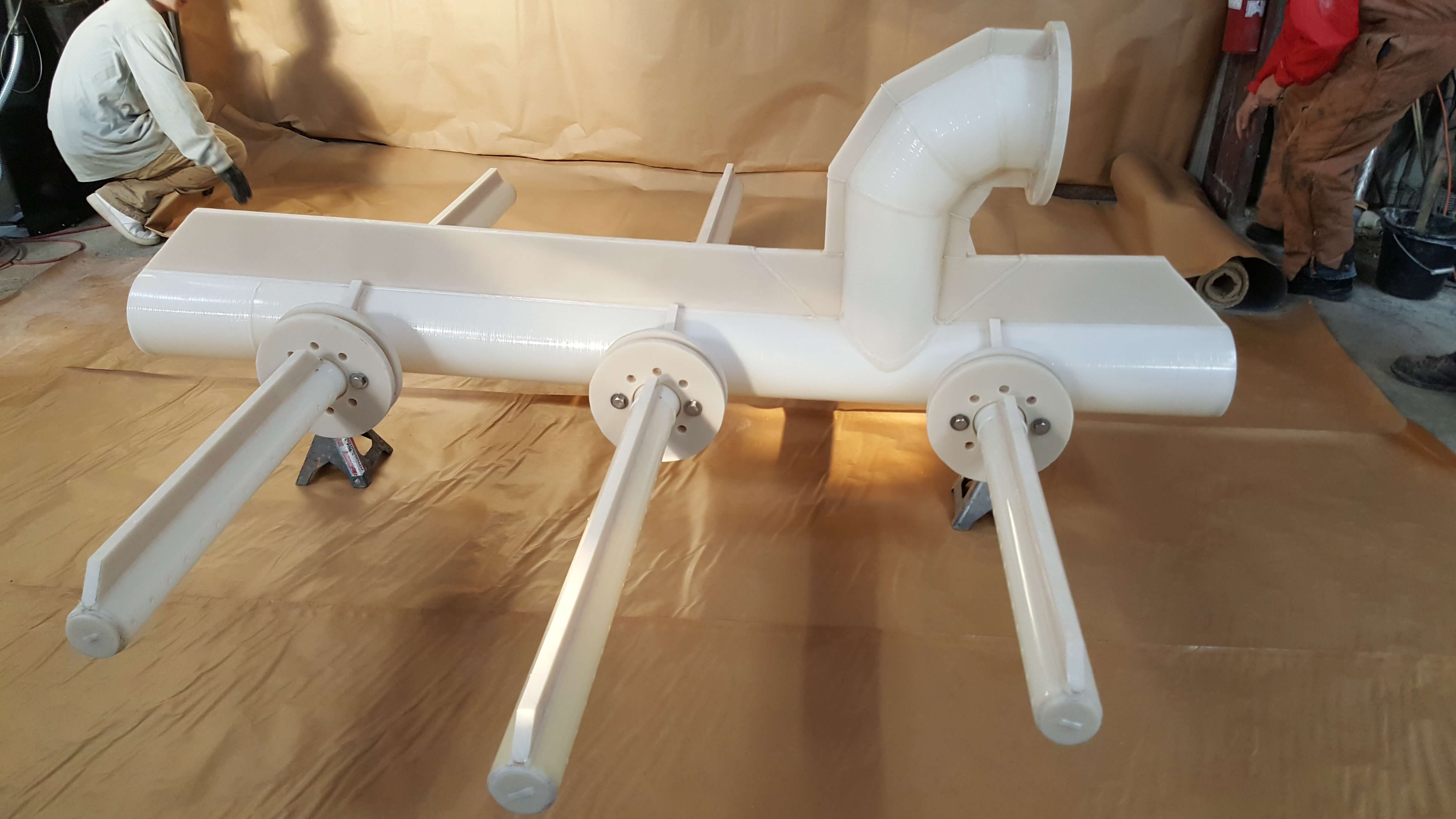
Posted on Leave a comment

The Power of FFF/FDM 3D Printing: Revolutionizing Prototyping and End-Use Manufacturing

pexels-photo-24859620.jpeg

This post was created using Generative AI; information may be inaccurate.

The Power of FFF/FDM 3D Printing: Revolutionizing Prototyping and End-Use Manufacturing

Introduction

In recent years, the manufacturing industry has witnessed a significant transformation with the advent of 3D printing technologies. Among the various types of 3D printing, Fused Filament Fabrication (FFF), also known as Fused Deposition Modeling (FDM), stands out for its versatility, affordability, and widespread use. Originally developed in the 1980s, FFF/FDM has evolved into a powerful tool for both prototyping and producing end-use parts. This blog will explore the advantages of FFF/FDM 3D printing, its applications in various industries, and how its customizable and additive nature opens up new possibilities that traditional subtractive methods simply cannot achieve.

1. Understanding FFF/FDM 3D Printing

Before diving into the advantages and applications, it’s essential to understand what FFF/FDM 3D printing is and how it works.

What is FFF/FDM?

Fused Filament Fabrication (FFF) or Fused Deposition Modeling (FDM) is a 3D printing process that uses a continuous filament of thermoplastic material. The filament is heated to its melting point and extruded through a nozzle, layer by layer, to create a three-dimensional object. The process is controlled by computer-aided design (CAD) software, which slices the digital model into thin layers and directs the printer’s movements.

Key Features of FFF/FDM:

  • Material Variety: FFF/FDM supports a wide range of thermoplastics, including PLA, ABS, PETG, Nylon, TPU, and even composites infused with carbon fiber or wood.
  • Layer-by-Layer Construction: Objects are built up one layer at a time, allowing for complex geometries and internal structures.
  • Affordability: FFF/FDM printers are generally more affordable than other 3D printing technologies, making them accessible to hobbyists, educators, and small businesses.

2. Advantages of FFF/FDM 3D Printing

FFF/FDM 3D printing offers numerous advantages that make it a preferred choice for prototyping and manufacturing end-use parts. Below are some of the key benefits:

2.1. Cost-Effective Manufacturing

One of the most significant advantages of FFF/FDM 3D printing is its cost-effectiveness, especially when compared to traditional manufacturing methods.

  • Lower Material Costs: The thermoplastics used in FFF/FDM are generally less expensive than the materials used in other manufacturing processes. Additionally, the additive nature of 3D printing ensures that material waste is minimized, as only the necessary amount of material is used to create the part.
  • Affordable Equipment: FFF/FDM printers are available at a wide range of price points, with entry-level machines costing as little as a few hundred dollars. This accessibility allows businesses of all sizes to invest in 3D printing technology without a significant upfront cost.
  • Reduced Labor Costs: Traditional manufacturing methods often require skilled labor to operate machinery, set up production runs, and perform quality control. FFF/FDM 3D printing automates much of this process, reducing the need for manual intervention and lowering labor costs.

2.2. Rapid Prototyping

Prototyping is a critical phase in product development, and FFF/FDM 3D printing excels in this area by enabling rapid iteration and testing.

  • Quick Turnaround: FFF/FDM allows designers to quickly create prototypes directly from CAD files, significantly reducing the time between design and physical testing. This rapid turnaround is crucial for industries where time-to-market is a competitive factor.
  • Iterative Design: The ease and speed of FFF/FDM 3D printing make it possible to produce multiple iterations of a design in a short period. Designers can test, modify, and refine their prototypes in real-time, leading to better final products.
  • Functional Prototypes: FFF/FDM can produce functional prototypes with materials that mimic the mechanical properties of the final product. This capability allows for more accurate testing and validation of design concepts.

Case Study: General Electric (GE) General Electric (GE) has utilized FFF/FDM 3D printing for rapid prototyping in the development of complex parts for its jet engines. By using 3D printing, GE was able to significantly reduce the time required to produce and test prototypes, leading to faster product development cycles and a more efficient innovation process.

2.3. Customizability

One of the most compelling advantages of FFF/FDM 3D printing is its ability to produce highly customized parts with minimal effort.

  • Personalization: Whether it’s custom-fit medical devices, personalized consumer products, or tailored automotive components, FFF/FDM allows for easy customization. Designers can modify CAD files to create unique variations of a product without altering the manufacturing process.
  • On-Demand Production: FFF/FDM enables on-demand production, meaning parts can be manufactured as needed without the need for large inventories. This flexibility is particularly beneficial for industries that require low-volume, custom parts.
  • Adaptability: FFF/FDM can quickly adapt to design changes, making it ideal for producing bespoke items. For example, in the medical field, FFF/FDM is used to create custom prosthetics and orthotics that are tailored to individual patients’ needs.

Example: Custom Prosthetics Organizations like e-NABLE use FFF/FDM 3D printing to create custom prosthetic hands for children. These prosthetics are designed to fit each child’s specific anatomy, providing a level of customization that traditional manufacturing methods cannot match. Moreover, the low cost of FFF/FDM 3D printing makes these prosthetics accessible to a broader population, including those in low-income regions.

2.4. Complexity and Freedom of Design

FFF/FDM 3D printing offers unparalleled design freedom, allowing for the creation of complex geometries that would be impossible or prohibitively expensive to produce using traditional subtractive methods.

  • Complex Geometries: With FFF/FDM, designers can create intricate internal structures, overhangs, and undercuts that would be challenging or impossible with machining or molding. This capability opens up new possibilities for lightweight, high-strength parts, particularly in aerospace and automotive applications.
  • Integration of Multiple Components: FFF/FDM can consolidate multiple parts into a single, complex assembly. This not only simplifies the manufacturing process but also reduces the need for fasteners and assembly labor, leading to more streamlined designs.
  • Internal Channels and Cavities: FFF/FDM can produce parts with internal channels and cavities, which are often required in applications like fluid handling, heat exchangers, and lightweight structures.

Example: Aerospace Components NASA has employed FFF/FDM 3D printing to produce complex components for its spacecraft. The ability to create lightweight parts with internal structures has enabled NASA to reduce the weight of critical components, leading to more efficient space missions. For instance, 3D-printed rocket engine parts with internal cooling channels are an excellent example of how FFF/FDM can achieve designs that are impossible with traditional manufacturing methods.

2.5. Environmental Benefits

The additive nature of FFF/FDM 3D printing contributes to a more sustainable manufacturing process by minimizing material waste and reducing the overall environmental impact.

  • Reduced Material Waste: Traditional subtractive manufacturing processes, such as milling and machining, involve cutting away material from a solid block, resulting in significant waste. In contrast, FFF/FDM builds parts layer by layer, using only the material needed to create the final product.
  • Recyclable Materials: Many of the thermoplastics used in FFF/FDM 3D printing, such as PLA, are biodegradable or recyclable. This reduces the environmental impact of discarded parts and supports the development of a circular economy.
  • Energy Efficiency: FFF/FDM 3D printers typically consume less energy than large industrial machinery, further contributing to their environmental benefits.

3. Applications of FFF/FDM 3D Printing

The advantages of FFF/FDM 3D printing have led to its adoption across a wide range of industries, from aerospace and automotive to healthcare and consumer goods. Below are some of the most notable applications:

3.1. Aerospace Industry

The aerospace industry demands high-performance materials and complex geometries, making FFF/FDM 3D printing an ideal solution for producing lightweight, durable components.

  • Lightweight Parts: FFF/FDM is used to produce lightweight components such as brackets, ducts, and housings that reduce the overall weight of aircraft and spacecraft. These parts often incorporate complex internal structures that would be challenging to achieve with traditional methods.
  • Tooling and Fixtures: FFF/FDM is also used to create custom tooling and fixtures for the assembly of aerospace components. These tools are often tailored to specific applications and can be produced quickly and cost-effectively.

Example: Airbus Airbus has leveraged FFF/FDM 3D printing to produce parts for its A350 XWB aircraft. The use of 3D-printed components has contributed to the aircraft’s overall weight reduction, leading to improved fuel efficiency and lower operating costs.

3.2. Automotive Industry

The automotive industry has embraced FFF/FDM 3D printing for prototyping, tooling, and even the production of end-use parts.

  • Prototyping and Testing: Automotive manufacturers use FFF/FDM to rapidly prototype parts for testing and validation. This allows for quick iterations and design optimizations, leading to faster product development cycles.
  • Custom Parts: FFF/FDM enables the production of custom automotive parts, such as interior trim pieces, that can be tailored to individual customer preferences. This level of customization enhances the overall driving experience and allows manufacturers to offer unique, personalized vehicles.
  • Low-Volume Production: FFF/FDM is ideal for producing low-volume parts, such as replacement parts for classic cars or specialized components for motorsports. The ability to produce these parts on-demand reduces inventory costs and ensures that rare or obsolete parts are readily available.

Example: Local Motors Local Motors, a company known for its 3D-printed vehicles, has utilized FFF/FDM 3D printing to produce the body panels and other components of its Strati car. The use of 3D printing has allowed Local Motors to create a highly customizable, low-volume vehicle at a fraction of the cost of traditional manufacturing methods.

3.3. Healthcare Industry

The healthcare industry has seen significant advancements through the use of FFF/FDM 3D printing, particularly in the areas of medical devices, prosthetics, and surgical guides.

  • Custom Medical Devices: FFF/FDM 3D printing is used to produce custom medical devices, such as orthotics, prosthetics, and dental appliances. These devices are tailored to the individual patient’s anatomy, ensuring a precise fit and improved patient outcomes.
  • Surgical Guides: Surgeons use 3D-printed guides to plan and execute complex procedures with greater accuracy. FFF/FDM allows for the creation of custom guides that match the patient’s anatomy, reducing the risk of complications and improving surgical outcomes.
  • Anatomical Models: FFF/FDM is used to create detailed anatomical models for surgical planning and education. These models provide a realistic representation of the patient’s anatomy, allowing surgeons to practice procedures and make more informed decisions.

Example: Stryker Stryker, a leading medical technology company, uses FFF/FDM 3D printing to produce custom implants and surgical instruments. The ability to create patient-specific devices has improved surgical outcomes and reduced recovery times for patients.

3.4. Consumer Goods

The consumer goods industry has benefited from the customizability and rapid prototyping capabilities of FFF/FDM 3D printing.

  • Personalized Products: FFF/FDM allows companies to offer personalized products, such as custom phone cases, jewelry, and home decor. Consumers can choose from a range of designs, colors, and materials, creating a product that reflects their unique style.
  • Prototyping and Product Development: Consumer goods companies use FFF/FDM to prototype new products and bring them to market faster. The ability to quickly produce and test prototypes allows companies to refine their designs and respond to consumer feedback more effectively.
  • Short-Run Production: FFF/FDM is ideal for short-run production of limited-edition or niche products. This allows companies to cater to specific markets without the need for large-scale manufacturing.

Example: Adidas Adidas has explored the use of FFF/FDM 3D printing to create custom insoles and midsole components for its athletic shoes. The ability to produce tailored footwear that fits the unique shape of each customer’s foot enhances comfort and performance, setting Adidas apart in the competitive sportswear market.

4. Overcoming Challenges and Maximizing Benefits

While FFF/FDM 3D printing offers numerous advantages, there are also challenges that need to be addressed to maximize its potential in prototyping and end-use manufacturing.

4.1. Material Limitations

While FFF/FDM supports a wide range of materials, it may not always meet the specific performance requirements of certain applications. However, ongoing research and development are expanding the range of materials available for FFF/FDM, including high-performance thermoplastics and composites.

4.2. Surface Finish and Post-Processing

FFF/FDM parts often require post-processing to achieve a smooth surface finish or meet aesthetic requirements. Techniques such as sanding, polishing, and chemical smoothing can enhance the appearance and performance of FFF/FDM parts, making them suitable for end-use applications.

4.3. Print Speed and Size Constraints

FFF/FDM is generally slower than other 3D printing technologies, particularly for large or complex parts. However, advancements in multi-nozzle and multi-material printing, as well as improvements in printer hardware and software, are addressing these limitations, making FFF/FDM faster and more capable of producing larger parts.

5. The Future of FFF/FDM 3D Printing

The future of FFF/FDM 3D printing is bright, with ongoing innovations poised to further enhance its capabilities and applications.

  • Material Innovations: The development of new materials, including biodegradable and sustainable options, will expand the range of applications for FFF/FDM 3D printing. High-performance materials with enhanced mechanical properties will enable the production of more durable and functional parts.
  • Improved Printers: Advances in printer technology, such as faster printing speeds, larger build volumes, and multi-material capabilities, will make FFF/FDM 3D printing even more versatile and efficient.
  • Automation and Integration: The integration of FFF/FDM 3D printing with other manufacturing processes, as well as advancements in automation and robotics, will streamline production workflows and reduce the need for manual intervention.
  • Wider Adoption: As the technology continues to mature, FFF/FDM 3D printing will become more widely adopted across various industries, from small businesses to large-scale manufacturers.

Conclusion

FFF/FDM 3D printing is a transformative technology that offers numerous advantages for both prototyping and end-use part production. Its cost-effectiveness, customizability, and ability to produce complex geometries make it an invaluable tool for industries ranging from aerospace and automotive to healthcare and consumer goods. As the technology continues to evolve, the potential applications of FFF/FDM 3D printing will only expand, opening up new possibilities for innovation and manufacturing.

Whether you’re a designer looking to create a prototype, a manufacturer seeking to produce low-volume custom parts, or an entrepreneur exploring new product ideas, FFF/FDM 3D printing offers a versatile and powerful solution. By embracing this technology, businesses can stay ahead of the curve and unlock new opportunities in the ever-changing landscape of modern manufacturing.
Posted on Leave a comment

The Benefits of Fiberglass in Industrial Applications

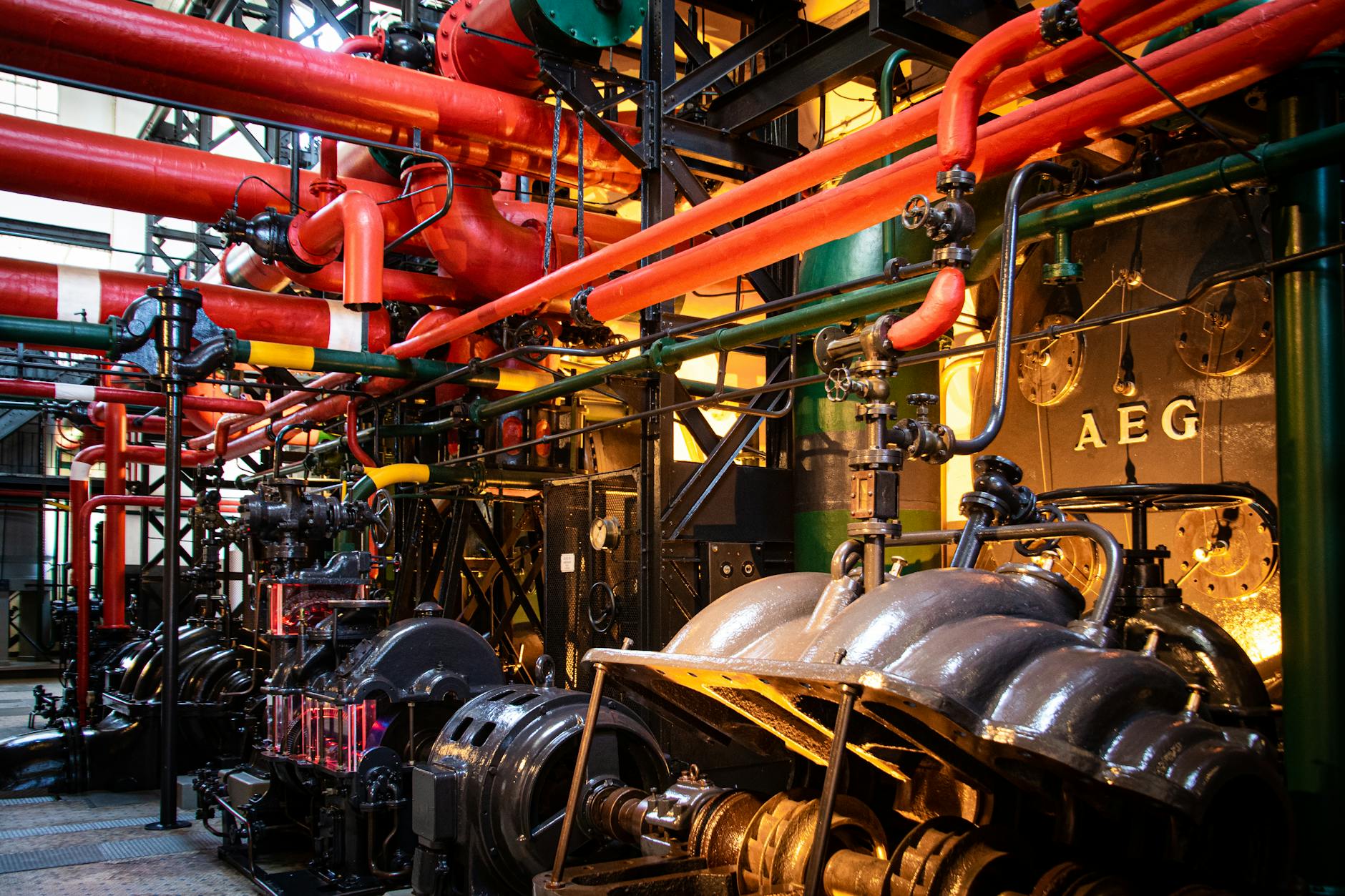
gray and red industrial machine

This post was created using Generative AI; information may be inaccurate.

Fiberglass has become an integral material in a wide range of industrial applications due to its exceptional properties. Known for its durability, resistance to corrosion, lightweight nature, and cost-effectiveness, fiberglass is utilized across numerous sectors, including chemical plants, construction, and automotive industries. This blog will explore the extensive benefits of fiberglass in these sectors, highlighting its significant role in enhancing efficiency, safety, and longevity of industrial products and structures.

1. Understanding Fiberglass: A Material of the Future

Fiberglass, also known as glass-reinforced plastic (GRP), is a composite material made from fine fibers of glass woven into a fabric and then embedded in a resin matrix. The resulting material is lightweight yet incredibly strong, offering a versatile solution for various industrial needs. Unlike traditional materials such as steel, aluminum, or wood, fiberglass combines the beneficial properties of glass and plastic, providing a unique set of advantages that make it suitable for demanding industrial environments.

1.1 Composition and Manufacturing Process

The manufacturing process of fiberglass involves several steps:

  • Fiber Production: Thin strands of glass are drawn from molten glass and then woven into fabrics or mats.
  • Resin Application: The glass fabric is then coated with a resin, which could be polyester, vinyl ester, or epoxy, depending on the required properties.
  • Curing: The resin-coated glass fabric is subjected to heat or chemical curing processes, solidifying the composite material.
  • Molding: The cured fiberglass can be molded into various shapes and sizes according to industrial requirements.

This process results in a material that is not only strong and durable but also highly customizable, making it suitable for a wide range of industrial applications.

1.2 Key Properties of Fiberglass

The unique properties of fiberglass make it an excellent choice for industrial applications:

  • Strength: Despite its lightweight nature, fiberglass boasts a high tensile strength, making it suitable for load-bearing structures.
  • Corrosion Resistance: Fiberglass is highly resistant to chemical and environmental corrosion, making it ideal for harsh industrial environments.
  • Thermal Insulation: Fiberglass has excellent thermal insulation properties, which is crucial in industries where temperature control is essential.
  • Non-Conductivity: Fiberglass is a poor conductor of electricity, making it safe for use in electrical and electronic applications.
  • Low Maintenance: Fiberglass requires minimal maintenance, reducing the long-term operational costs for industrial installations.

2. Fiberglass in Chemical Plants: Enhancing Safety and Efficiency

Chemical plants often operate in environments that are highly corrosive, with exposure to acids, alkalis, and other reactive substances. Traditional materials such as metals are prone to corrosion, leading to frequent maintenance, downtime, and safety hazards. Fiberglass, with its superior corrosion resistance, offers an ideal solution for such environments.

2.1 Corrosion Resistance

One of the most significant advantages of fiberglass in chemical plants is its resistance to corrosion. Unlike metals, which can corrode and weaken over time when exposed to harsh chemicals, fiberglass remains unaffected. This property not only extends the lifespan of equipment but also reduces the frequency of maintenance, resulting in lower operational costs.

2.2 Safety Improvements

In chemical plants, safety is paramount. The non-conductive nature of fiberglass makes it an excellent choice for environments where there is a risk of electrical hazards. Additionally, fiberglass is inherently fire-resistant, and when combined with certain resins, it can be made fire-retardant, further enhancing safety in hazardous environments.

2.3 Cost-Effectiveness

While the initial cost of fiberglass components might be higher than traditional materials, the long-term savings are significant. The reduced need for maintenance, coupled with the longer lifespan of fiberglass equipment, results in a lower total cost of ownership, making it a cost-effective choice for chemical plants.

3. Fiberglass in Construction: Building for the Future

The construction industry has long been searching for materials that are strong, durable, and easy to work with. Fiberglass offers all these benefits and more, making it an increasingly popular choice for a variety of construction applications.

3.1 Lightweight and Strong

One of the most appealing properties of fiberglass in construction is its strength-to-weight ratio. Fiberglass is much lighter than traditional materials like steel and concrete, yet it offers comparable strength. This makes it easier to handle and install, reducing labor costs and time. For example, fiberglass is often used in the construction of bridges, where its light weight reduces the load on supporting structures, yet its strength ensures longevity and safety.

3.2 Resistance to Environmental Factors

Construction materials are constantly exposed to the elements, whether it’s moisture, UV radiation, or temperature fluctuations. Fiberglass is inherently resistant to these environmental factors. It does not rust, rot, or warp, making it ideal for use in outdoor applications. This resistance extends the life of structures and reduces the need for frequent repairs.

3.3 Versatility in Design

Fiberglass can be molded into a wide variety of shapes and sizes, allowing architects and engineers to create innovative designs that would be difficult or impossible with traditional materials. This versatility opens up new possibilities in construction, from intricate facades to large, seamless panels.

3.4 Thermal and Acoustic Insulation

In addition to its structural benefits, fiberglass offers excellent thermal and acoustic insulation properties. In building construction, this means better energy efficiency and noise reduction, leading to more comfortable living and working environments. Fiberglass insulation is a common choice in both residential and commercial buildings due to its effectiveness and ease of installation.

4. Fiberglass in the Automotive Industry: Driving Innovation

The automotive industry is another sector where fiberglass is making significant inroads. As manufacturers seek to create vehicles that are lighter, stronger, and more fuel-efficient, fiberglass has emerged as a key material in the design and production of modern automobiles.

4.1 Weight Reduction

One of the primary advantages of using fiberglass in automotive applications is weight reduction. Fiberglass is much lighter than traditional automotive materials such as steel and aluminum. By reducing the weight of vehicles, manufacturers can improve fuel efficiency, reduce emissions, and enhance overall vehicle performance.

4.2 Impact Resistance

In addition to being lightweight, fiberglass is also highly impact-resistant. This makes it an ideal material for components such as bumpers, body panels, and interior parts, where strength and durability are crucial. The use of fiberglass in these applications can improve the safety of vehicles by absorbing impact energy and reducing damage in the event of a collision.

4.3 Corrosion Resistance in Harsh Environments

Automobiles are often exposed to harsh environmental conditions, including rain, snow, salt, and road chemicals. Fiberglass’s corrosion resistance makes it an ideal material for automotive components that need to withstand these conditions without deteriorating. This is particularly important for underbody components and other parts that are frequently exposed to moisture and chemicals.

4.4 Cost and Production Efficiency

Fiberglass is also advantageous in terms of production efficiency. The material can be easily molded into complex shapes, allowing for the production of intricate components with fewer steps than traditional materials. This reduces manufacturing costs and speeds up production times. Additionally, the durability of fiberglass components means they have a longer lifespan, reducing the need for replacements and repairs.

5. Other Industrial Applications of Fiberglass

Beyond chemical plants, construction, and automotive, fiberglass is finding applications in a wide range of other industries due to its versatile properties.

5.1 Marine Industry

In the marine industry, fiberglass is commonly used for constructing boats, ships, and other marine structures. Its resistance to water and salt corrosion makes it an ideal material for these applications. Additionally, the lightweight nature of fiberglass contributes to better fuel efficiency in marine vessels, while its strength ensures safety and durability in harsh marine environments.

5.2 Renewable Energy Sector

The renewable energy sector, particularly wind energy, has seen significant adoption of fiberglass. Wind turbine blades, for example, are often made from fiberglass due to its combination of light weight and strength. The material’s durability also ensures that the blades can withstand the constant stress of operation and exposure to the elements over long periods.

5.3 Electrical and Electronics Industry

Fiberglass’s non-conductive properties make it an essential material in the electrical and electronics industry. It is used for insulating components, circuit boards, and other electrical infrastructure where safety and reliability are critical. The material’s resistance to heat and fire further enhances its suitability for these applications.

5.4 Aerospace Industry

The aerospace industry also benefits from the use of fiberglass, particularly in the production of aircraft components. The material’s light weight contributes to fuel efficiency, while its strength ensures the safety and structural integrity of aircraft. Additionally, fiberglass’s resistance to corrosion and environmental factors makes it ideal for aerospace applications where reliability is paramount.

6. Environmental and Economic Considerations

In addition to its technical advantages, fiberglass offers several environmental and economic benefits that contribute to its growing popularity in industrial applications.

6.1 Sustainability

Fiberglass is a relatively sustainable material compared to traditional industrial materials. Its long lifespan reduces the need for frequent replacements, which in turn reduces waste. Additionally, the energy efficiency benefits of fiberglass, such as its use in insulation and lightweight vehicle components, contribute to reduced energy consumption and lower greenhouse gas emissions.

6.2 Cost-Effectiveness

While the initial cost of fiberglass may be higher than some traditional materials, its long-term cost-effectiveness is undeniable. The reduced need for maintenance, repairs, and replacements results in lower overall costs over the lifespan of fiberglass components. Moreover, the material’s versatility and ease of production contribute to cost savings in manufacturing.

6.3 Recycling and Disposal

Fiberglass can be recycled, although the process is more complex than recycling traditional materials like metals. Advances in recycling technology are making it increasingly feasible to repurpose fiberglass waste into new products, further enhancing the material’s environmental profile. However, it is essential for industries to continue investing in and supporting recycling initiatives to minimize the environmental impact of fiberglass.

7. The Future of Fiberglass in Industrial Applications

As industries continue to evolve, the demand for materials that offer superior performance, durability, and cost-effectiveness will only increase. Fiberglass is well-positioned to meet these demands, and ongoing research and development are likely to further enhance its properties and applications.

7.1 Advancements in Fiberglass Technology

Researchers are constantly exploring new ways to improve the performance of fiberglass. This includes the development of new resins and coatings that enhance its resistance to chemicals, heat, and fire. Additionally, innovations in manufacturing processes are making it possible to produce fiberglass components with even greater precision and efficiency.

7.2 Expansion into New Industries

As the benefits of fiberglass become more widely recognized, it is likely that the material will see increased adoption in industries that have not traditionally used it. For example, the growing interest in sustainable building practices could drive greater use of fiberglass in the construction industry, while advances in electric vehicles could lead to more widespread use of fiberglass in the automotive sector.

7.3 Challenges and Opportunities

Despite its many advantages, the use of fiberglass is not without challenges. The material’s relatively high initial cost and the complexity of recycling can be barriers to adoption in some industries. However, these challenges also present opportunities for innovation. Continued research and development, coupled with increased investment in recycling infrastructure, could help overcome these barriers and unlock new applications for fiberglass.

Conclusion

Fiberglass is a material that offers a unique combination of properties that make it highly suitable for a wide range of industrial applications. Its durability, resistance to corrosion, lightweight nature, and cost-effectiveness have made it a preferred choice in sectors such as chemical plants, construction, automotive, and beyond. As industries continue to seek materials that can meet the demands of modern applications, fiberglass is poised to play an increasingly important role in the future of industrial manufacturing and design.

The benefits of fiberglass extend beyond its immediate technical advantages. Its environmental sustainability, long-term cost savings, and potential for innovation make it a valuable material for industries looking to enhance their operations while reducing their environmental impact. As research and development efforts continue to advance the capabilities of fiberglass, it is likely that we will see even more innovative applications of this versatile material in the years to come.

Posted on Leave a comment

Guide to Choosing the Best Material for Your Job

floor plan on table

This post was created using Generative AI; information may be inaccurate.

Posted on Leave a comment

Exploring HALAR and Its Applications at Custom Fiberglass Products Inc.

This post was created using Generative AI; information may be inaccurate.

Introduction

HALAR, a partially fluorinated semi-crystalline polymer, stands out for its exceptional chemical, fire, and permeation resistance. This versatile material is widely used in industries dealing with strong chemicals and extreme conditions. Custom Fiberglass Products Inc., established in 1975, leverages the unique properties of HALAR to offer innovative solutions across various sectors. This blog post delves into the characteristics of HALAR, its applications, and how Custom Fiberglass Products Inc. integrates it into their offerings.

Understanding HALAR

HALAR, also known as ECTFE (Ethylene Chlorotrifluoroethylene), is renowned for its robustness and resilience. Its composition provides several key advantages:

  1. Chemical Resistance: HALAR is resistant to a broad range of chemicals, making it ideal for handling corrosive substances.
  2. Fire Resistance: The material’s semi-crystalline nature contributes to its high fire resistance, enhancing safety in critical applications.
  3. Permeation Resistance: HALAR’s dense molecular structure ensures minimal permeation, protecting against leaks and contamination.

These attributes make HALAR a preferred choice for industries such as chemical processing, pharmaceuticals, and semiconductors.

Applications of HALAR at Custom Fiberglass Products Inc.

Custom Fiberglass Products Inc. utilizes HALAR in various applications, capitalizing on its superior properties to meet the demanding needs of their clients. Here are some key areas where HALAR is employed:

Chemical Processing Equipment

In the chemical industry, equipment must withstand harsh and corrosive environments. Custom Fiberglass Products Inc. manufactures pipes, flanges, and vessels lined with HALAR, ensuring durability and longevity. These components are crucial for safely transporting and storing aggressive chemicals, reducing the risk of leaks and failures.

Semiconductor Industry

The semiconductor industry requires materials that can endure extreme conditions without compromising purity and performance. HALAR’s low permeation and high chemical resistance make it an ideal choice for components used in semiconductor fabrication. Custom Fiberglass Products Inc. produces HALAR-lined tanks and pipes that maintain the integrity of sensitive processes.

Pharmaceutical Applications

In pharmaceuticals, maintaining a contaminant-free environment is paramount. HALAR’s resistance to a wide range of chemicals ensures that pharmaceutical processes remain uncontaminated. Custom Fiberglass Products Inc. provides customized solutions, including HALAR-coated equipment, to support safe and efficient pharmaceutical manufacturing.

Custom Fiberglass Products Inc.: A Legacy of Innovation

Established by Richard Armstrong and Robert Hamilton, Custom Fiberglass Products Inc. has been serving the Arklatex area for over 47 years. The company’s commitment to innovation is evident in its diverse product offerings, which include not only fiberglass and HALAR but also PVDF and 3D printing services.

Fiberglass Solutions

Beyond HALAR, Custom Fiberglass Products Inc. excels in fiberglass manufacturing. They offer a wide range of fiberglass products, such as pipes, flanges, and custom parts, tailored to specific industry needs. Their expertise in fiberglass ensures high-quality, durable solutions for various applications.

PVDF and 3D Printing

Custom Fiberglass Products Inc. also provides PVDF (Polyvinylidene Fluoride) products, known for their chemical resistance and mechanical strength. Additionally, the company has embraced 3D printing technology, allowing for the creation of complex, customized parts that meet exact specifications.

Commitment to Quality and Customer Satisfaction

Custom Fiberglass Products Inc. prides itself on delivering top-notch products and exceptional customer service. Their team of experts collaborates closely with clients to develop tailored solutions that address unique challenges. This customer-centric approach has solidified their reputation as a trusted partner in the industry.

Conclusion

HALAR’s unique properties make it an invaluable material across various industries. Custom Fiberglass Products Inc. harnesses the strengths of HALAR to provide innovative, reliable solutions for their clients. Their extensive experience, combined with a commitment to quality and customer satisfaction, ensures that they remain at the forefront of the industry.

For more information about Custom Fiberglass Products Inc. and their offerings, visit their official website​ (CustomFRP)​​ (CustomFRP)​​ (CustomFRP)​.

Posted on Leave a comment

PVDF and Its Uses in the Chemical Industry: How Custom Fiberglass Products Inc. Leverages Its Properties

This post was created using Generative AI; information can be incorrect.

If you were sent to this post through a link from on of our older blog posts, then please click here to be sent to the correct page. Sorry about that.

Polyvinylidene fluoride (PVDF) is a versatile and highly sought-after material in various industries, especially in the chemical sector. Known for its exceptional chemical resistance, mechanical properties, and ease of processing, PVDF is utilized in numerous applications that demand durability and reliability. This comprehensive guide explores the properties of PVDF, its uses in the chemical industry, and how we at Custom Fiberglass Products Inc. employ PVDF to create high-quality, custom solutions.

1. Introduction to PVDF

Overview of PVDF

Polyvinylidene fluoride (PVDF) is a high-performance thermoplastic polymer belonging to the fluoropolymer family. It is known for its excellent chemical resistance, high thermal stability, and outstanding mechanical properties. PVDF is widely used in applications that require robust performance under harsh conditions, making it a preferred choice in the chemical industry.

Historical Development

PVDF was first developed in the 1960s by the Pennwalt Corporation (now Arkema), which introduced it under the brand name Kynar®. Since then, PVDF has gained significant traction across various sectors due to its unique properties and versatility.

Key Properties

PVDF stands out due to several key properties:

  • Chemical Resistance: Inert to most chemicals, acids, and solvents.
  • Thermal Stability: Maintains performance at temperatures up to 150°C.
  • Mechanical Strength: High tensile strength and impact resistance.
  • UV Resistance: Excellent resistance to UV radiation and weathering.
  • Low Permeability: Low gas and liquid permeability, suitable for barrier applications.

2. Chemical Structure and Characteristics

Molecular Structure

PVDF consists of repeating units of vinylidene fluoride (CH2-CF2), forming a highly crystalline polymer. Its structure provides rigidity and resistance to degradation, making it ideal for demanding environments.

Physical and Chemical Properties

  • Density: Approximately 1.78 g/cm³
  • Melting Point: Around 177°C
  • Tensile Strength: Up to 50 MPa
  • Dielectric Constant: 8-10 (at 1 kHz)

Advantages of PVDF

  • Versatility: Suitable for various processing methods, including extrusion, molding, and coating.
  • Durability: Long service life with minimal maintenance.
  • Purity: High purity levels, making it suitable for pharmaceutical and semiconductor applications.
  • Ease of Fabrication: Can be easily welded and joined using standard techniques.

3. Applications of PVDF in the Chemical Industry

Piping Systems

PVDF is extensively used in piping systems for the transportation of aggressive chemicals, acids, and solvents. Its resistance to chemical attack and low permeability make it an excellent choice for fluid handling applications.

Tanks and Vessels

PVDF-lined tanks and vessels are employed in the storage and processing of corrosive chemicals. The material’s robustness ensures long-term reliability and safety in these critical applications.

Valves and Fittings

PVDF valves and fittings offer superior performance in controlling and directing the flow of aggressive chemicals. Their durability and resistance to wear and tear ensure consistent operation over extended periods.

Membranes for Filtration

PVDF membranes are used in filtration applications due to their fine pore structure and chemical resistance. These membranes are employed in water treatment, pharmaceutical production, and microelectronics manufacturing.

4. Manufacturing and Processing Techniques

Extrusion and Injection Molding

PVDF can be extruded into pipes, sheets, and profiles or injection molded into complex shapes. These processes allow for the efficient production of high-quality components tailored to specific applications.

Welding and Joining Methods

PVDF components can be joined using various welding techniques, including butt welding, socket welding, and electrofusion. These methods ensure strong, leak-free joints suitable for high-pressure applications.

Coating and Lining

PVDF coatings and linings provide an additional layer of protection for metal substrates exposed to corrosive environments. These coatings extend the lifespan of equipment and reduce maintenance costs.

5. Custom Fiberglass Products Inc.: Expertise in PVDF

Company Overview

Custom Fiberglass Products Inc. is a leader in the design and manufacture of fiberglass and composite solutions. With a focus on innovation and quality, we offer a wide range of products, including PVDF-based components.

Product Offerings

We specialize in PVDF pipes, flanges, and custom fittings. Our products are designed to meet the rigorous demands of the chemical industry, providing reliable performance in harsh conditions.

Case Studies and Success Stories

We have successfully implemented PVDF solutions in various projects, demonstrating our expertise and commitment to customer satisfaction. Examples include custom PVDF piping systems for chemical plants and PVDF-lined tanks for industrial applications.

6. Comparative Analysis: PVDF vs. Other Materials

PVDF vs. PTFE

  • Chemical Resistance: Both materials offer excellent chemical resistance, but PTFE has a slight edge.
  • Mechanical Strength: PVDF is stronger and more rigid than PTFE.
  • Cost: PVDF is generally more cost-effective than PTFE.

PVDF vs. Polypropylene

  • Temperature Resistance: PVDF can withstand higher temperatures compared to polypropylene.
  • Chemical Resistance: PVDF offers superior resistance to a broader range of chemicals.
  • Durability: PVDF components have a longer service life in aggressive environments.

PVDF vs. PVC

  • UV Resistance: PVDF has better resistance to UV radiation and weathering than PVC.
  • Chemical Compatibility: PVDF is compatible with more aggressive chemicals.
  • Mechanical Properties: PVDF provides higher strength and impact resistance.

7. Maintenance and Longevity of PVDF Components

Inspection and Monitoring

Regular inspection and monitoring of PVDF components ensure early detection of potential issues. Visual inspections, ultrasonic testing, and pressure testing are common methods used to assess the condition of PVDF systems.

Repair Techniques

In case of damage, PVDF components can be repaired using welding or adhesive bonding. Proper repair techniques restore the integrity and functionality of the components.

Lifecycle and Durability

PVDF components are known for their long service life, often exceeding 20 years in demanding applications. Their durability reduces the need for frequent replacements, leading to cost savings over time.

8. Environmental and Safety Considerations

Handling and Storage

PVDF should be handled and stored according to the manufacturer’s guidelines. Proper storage conditions prevent degradation and maintain the material’s properties.

Environmental Impact

PVDF is considered environmentally friendly due to its high recyclability and low emission profile during processing. However, proper disposal methods should be followed to minimize environmental impact.

Safety Protocols

When working with PVDF, appropriate safety protocols must be followed. This includes wearing protective equipment, ensuring adequate ventilation, and handling chemicals with care.

Advances in Material Science

Ongoing research in material science is leading to the development of new PVDF grades with enhanced properties, such as increased thermal stability and improved chemical resistance.

Emerging Applications

PVDF is finding new applications in fields such as renewable energy, where it is used in the manufacturing of solar panels and lithium-ion batteries.

Sustainability Initiatives

Efforts are being made to improve the sustainability of PVDF production and reduce its environmental footprint. Innovations in recycling and waste management are key areas of focus.

Conclusion

PVDF is a highly versatile and durable material widely used in the chemical industry for its exceptional properties. At Custom Fiberglass Products Inc., we leverage PVDF’s strengths to provide innovative solutions tailored to the needs of our clients. By understanding the unique advantages of PVDF and employing proper manufacturing techniques, industries can achieve superior performance and reliability in their applications. As advancements in material science continue, PVDF is poised to play an even more significant role in the future of chemical and industrial applications.

Posted on Leave a comment

3D Printing

This post was made using Generative AI; it may contain inaccurate information.

Technology of the Future

At Custom Fiberglass Products Inc., we are committed to pioneering new ways to serve our customers better. Embracing 3D printing technology is a key part of this mission. By leveraging 3D printing, we can create complex designs and enhance production efficiency, surpassing the capabilities of traditional manufacturing methods.

What is 3D Printing?

3D printing, or additive manufacturing, involves building parts layer by layer from various materials. This technique allows for the creation of intricate designs, such as optimized coolant channels in engine blocks, that traditional methods like injection molding cannot achieve. The ability to produce complex structures has made 3D printing an attractive solution for many industries looking to innovate and streamline their manufacturing processes.

Industry Adoption of 3D Printing

The adoption of 3D printing is accelerating rapidly. The expiration of key patents has led to a surge in new technologies, expanding the possibilities of what can be achieved with 3D printers. Companies of all sizes are exploring how to integrate additive manufacturing into their operations to stay competitive and innovate.

Benefits of 3D Printing

  • Design Flexibility: 3D printing enables the creation of complex geometries that are difficult or impossible to achieve with traditional methods.
  • Cost-Effective Prototyping: It allows for rapid prototyping, reducing the time and cost associated with product development.
  • Customization: Products can be easily customized to meet specific requirements without significant changes to the manufacturing process.
  • Material Efficiency: Additive manufacturing reduces waste by using only the material necessary to build the part.

Challenges and Future Prospects

While 3D printing offers numerous advantages, it also presents challenges such as material limitations and post-processing requirements. However, ongoing advancements in technology are continually addressing these issues, making 3D printing an increasingly viable option for a wide range of applications.

Conclusion

Custom Fiberglass Products Inc. is excited to be at the forefront of the 3D printing revolution. By adopting this innovative technology, we aim to provide our customers with superior products and services, driving the future of manufacturing.

For more information on how we leverage 3D printing technology, visit Custom Fiberglass Products Inc..

Posted on Leave a comment

Fiberglass Layup Techniques

This post was created using Generative AI; information may be inaccurate.

Fiberglass layup is a fundamental technique in composite manufacturing, widely used in industries such as automotive, marine, aerospace, and construction. Understanding the proper techniques for fiberglass layup is crucial for creating strong, durable, and high-quality composite parts. This comprehensive guide covers the essential steps, materials, and best practices for achieving optimal results in fiberglass layup.

1. Introduction to Fiberglass Layup

What is Fiberglass Layup?

Fiberglass layup is a process of building up layers of fiberglass cloth or mat impregnated with resin to form a composite material. The resin binds the fibers together, creating a strong, lightweight structure. This technique is used to produce a variety of parts and structures with excellent mechanical properties.

Applications of Fiberglass Layup

Fiberglass layup is used in various applications due to its versatility and strength. Some common applications include:

  • Marine: Boat hulls, decks, and masts
  • Automotive: Body panels, chassis components
  • Aerospace: Aircraft fuselage, wings
  • Construction: Roofing, pipes, tanks

Importance of Proper Techniques

Proper fiberglass layup techniques are essential to ensure the final product’s strength, durability, and quality. Inadequate methods can lead to defects such as air bubbles, delamination, and weak spots, compromising the structural integrity of the composite.

2. Materials and Tools Needed

Types of Fiberglass

Fiberglass comes in various forms, each suitable for different applications:

  • Fiberglass Cloth: Woven fabric with high strength and smooth finish.
  • Fiberglass Mat: Non-woven fabric used for bulk and stiffness.
  • Fiberglass Roving: Continuous strands used for structural strength.

Resin Systems

The resin is the matrix that binds the fiberglass fibers. Common types of resins include:

  • Polyester Resin: Most commonly used, cost-effective, but with limited durability.
  • Epoxy Resin: Superior strength and adhesion, resistant to moisture and chemicals.
  • Vinyl Ester Resin: Combines the best properties of polyester and epoxy resins.

Tools and Equipment

To perform a fiberglass layup, you will need:

  • Brushes and rollers for applying resin
  • Scissors and utility knives for cutting fiberglass
  • Mixing containers and stirrers
  • Protective equipment (gloves, goggles, respirators)
  • Mold or form for shaping the fiberglass

3. Surface Preparation

Cleaning the Surface

The surface where the fiberglass will be laid up must be clean, dry, and free from contaminants. Use acetone or a similar solvent to remove grease, oil, and dust.

Surface Roughening

For better adhesion, roughen the surface using sandpaper or a wire brush. This helps the resin penetrate and bond effectively with the substrate.

Mold Release Agents

If using a mold, apply a release agent to prevent the fiberglass from sticking. Common release agents include wax, PVA (polyvinyl alcohol), and specialized mold release sprays.

4. Cutting and Handling Fiberglass

Measuring and Cutting Fiberglass

Measure and cut the fiberglass to the required dimensions, allowing for overlap at the edges. Use sharp scissors or a utility knife to ensure clean cuts.

Handling Fiberglass Safely

Fiberglass fibers can irritate the skin and lungs. Wear protective clothing, gloves, and a mask to minimize exposure. Work in a well-ventilated area.

Storage and Preservation

Store fiberglass in a dry, cool place to prevent moisture absorption and degradation. Keep it covered and away from direct sunlight.

5. Resin Preparation

Mixing Ratios

Follow the manufacturer’s instructions for mixing resin and hardener. Accurate ratios are critical for achieving the desired properties. Use measuring cups or scales for precision.

Types of Hardeners

Different hardeners are available for varying cure times and temperatures. Choose a hardener appropriate for your working conditions and project requirements.

Avoiding Common Mistakes

  • Under-mixing: Leads to incomplete curing and weak spots.
  • Over-mixing: Can introduce air bubbles, affecting the strength.
  • Wrong Ratios: Incorrect proportions can lead to poor adhesion and mechanical properties.

6. Laying Up Fiberglass

Wet Layup Technique

In the wet layup method, the fiberglass is saturated with resin as it is applied. Follow these steps:

  1. Apply a thin layer of resin to the surface.
  2. Place the fiberglass over the resin.
  3. Use a roller or brush to saturate the fiberglass with more resin.
  4. Remove air bubbles by rolling or using a squeegee.

Dry Layup Technique

In dry layup, pre-preg fiberglass (pre-impregnated with resin) is used. This method is less messy and allows for more precise resin control. Lay the fiberglass on the surface and apply heat and pressure to cure.

Vacuum Bagging

Vacuum bagging involves placing the layup in a sealed bag and applying a vacuum. This removes air bubbles and excess resin, ensuring a strong and uniform laminate. It’s commonly used in aerospace and high-performance applications.

7. Curing and Finishing

Curing Process

Allow the layup to cure according to the resin manufacturer’s instructions. The curing time and temperature will vary based on the resin and hardener used. Ensure a stable environment to avoid defects.

Post-Curing

Post-curing involves heating the cured laminate to improve its properties. This step is particularly important for high-performance parts subjected to extreme conditions.

Finishing Touches

Once cured, trim excess fiberglass and sand the surface for a smooth finish. Apply a topcoat or gelcoat for UV protection and aesthetic appeal.

8. Troubleshooting Common Issues

Air Bubbles

Air bubbles weaken the laminate and compromise its integrity. To prevent them:

  • Apply resin evenly and in small quantities.
  • Use a roller or squeegee to remove trapped air.
  • Consider vacuum bagging for critical applications.

Delamination

Delamination occurs when layers separate, often due to poor adhesion or contamination. Ensure proper surface preparation and resin saturation to avoid this issue.

Resin Rich and Resin Starved Areas

Resin-rich areas are brittle and heavy, while resin-starved areas are weak. Use the right amount of resin and ensure even distribution across the layup.

9. Advanced Techniques

Infusion Methods

Resin infusion involves placing dry fiberglass in a mold and then injecting resin under vacuum pressure. This method provides excellent control over resin content and reduces waste.

Prepreg Fiberglass

Prepreg fiberglass is pre-impregnated with resin and stored in a refrigerated state until use. It offers precise control over fiber orientation and resin content, ideal for high-performance applications.

Multi-Axial Layup

Multi-axial layup involves using fiberglass fabrics oriented in different directions to enhance strength and stiffness. This technique is used in applications requiring high structural integrity.

10. Safety Precautions

Personal Protective Equipment

Always wear appropriate protective gear, including gloves, goggles, and respirators. Fiberglass and resin can cause skin irritation and respiratory issues.

Safe Handling of Chemicals

Handle resins, hardeners, and solvents with care. Follow the manufacturer’s safety guidelines and store chemicals in properly labeled containers.

Ventilation and Workspace Safety

Ensure good ventilation in your workspace to avoid inhaling fumes. Use exhaust fans and open windows when working with resins and solvents.

Conclusion

Proper fiberglass layup techniques are essential for creating strong, durable, and high-quality composite parts. By following the steps and best practices outlined in this guide, you can achieve excellent results in your fiberglass projects. Whether you are a hobbyist or a professional, mastering these techniques will enhance your skills and expand your capabilities in composite manufacturing.

Remember to always prioritize safety, carefully select your materials, and take the time to properly prepare your surfaces and resins. With patience and attention to detail, you can produce superior fiberglass layups that meet the demands of your specific applications.