This post was created using Generative AI; information may be inaccurate.
When the mercury dips and frost clings to the windows, the world changes. For many, winter is a time for cozy sweaters, warm drinks, and the occasional snowball fight. But for businesses and industries, cold weather brings unique challenges—especially when it comes to materials used in outdoor or demanding applications. Fiberglass, a composite material revered for its versatility and strength, plays a significant role in solving these challenges, especially in the world of composites.
Why Fiberglass?
Fiberglass composites are more than just sturdy; they’re resilient. Made from a combination of glass fibers and resin, these materials are engineered to provide high strength-to-weight ratios, resistance to corrosion, and excellent durability in extreme conditions. These properties make fiberglass an exceptional choice for industries ranging from construction to chemical processing—even in sub-zero temperatures.
Performance in Cold Climates
Fiberglass composites maintain their structural integrity in freezing weather, unlike some traditional materials like metals or plastics, which can become brittle or corrode. Here’s why:
- Thermal Stability:
Fiberglass composites are less prone to thermal expansion and contraction compared to metals, which can warp or crack in fluctuating temperatures. This makes fiberglass ideal for applications like storage tanks, piping systems, and outdoor equipment housings in cold climates. - Corrosion Resistance:
Cold, wet environments often accelerate the corrosion of materials like steel. Fiberglass, on the other hand, is inherently resistant to moisture, chemicals, and salt, making it perfect for environments exposed to snow, ice, and road salts. - Lightweight Durability:
In cold weather, heavy materials can strain infrastructure or machinery. Fiberglass offers the strength of traditional materials without the weight, making it easier to transport and install in freezing conditions.
Applications That Shine in Winter
Fiberglass composites are at home in cold-weather environments. Some examples include:
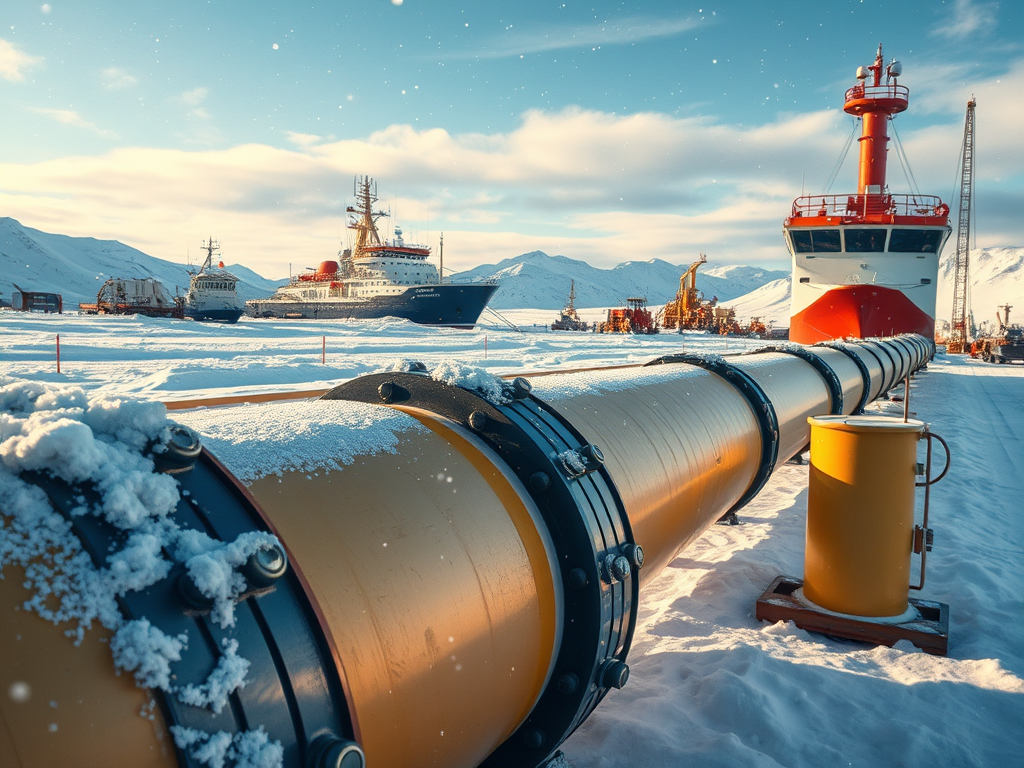
- Industrial Piping and Tanks: Fiberglass piping systems transport chemicals and fluids in freezing conditions without cracking or corroding, ensuring smooth operations in places like chemical plants or water treatment facilities.
- Marine Applications: Fiberglass boats and dock components endure icy waters and harsh marine environments, resisting saltwater corrosion and damage from freezing temperatures.
- Outdoor Infrastructure: Utility poles, grating, and covers made from fiberglass hold up against snow, ice, and temperature extremes, ensuring safety and reliability in harsh climates.
- Custom Solutions: Fiberglass’ versatility allows for custom composite solutions like enclosures, shelters, and walkways designed specifically for cold-weather durability.
Tips for Working with Fiberglass in the Cold
While fiberglass performs admirably in low temperatures, fabrication and installation in cold weather require special care:
- Resin Curing:
Resin used in fiberglass composites can take longer to cure in cold temperatures. To ensure proper curing, work in a controlled environment or use specialized cold-weather resins. - Storage:
Store fiberglass materials and resins in a temperature-controlled area to maintain their quality and prevent brittleness before use. - Surface Preparation:
Cold surfaces can accumulate frost or condensation, which interferes with bonding. Always ensure surfaces are dry and clean before applying resins or adhesives.
Why It Matters
As a business or individual relying on fiberglass composites, understanding how they perform in winter ensures your projects succeed no matter the season. At Custom Fiberglass Products Inc., we specialize in creating durable, custom fiberglass solutions tailored for year-round performance. Whether it’s a cold-weather piping system, a marine-grade flange, or a rugged outdoor shelter, our team delivers products built to thrive even when the temperatures plummet.
Check out our website, Customfrp.com, for more information on how fiberglass can work for you in any season—or to discuss your next cold-weather project!