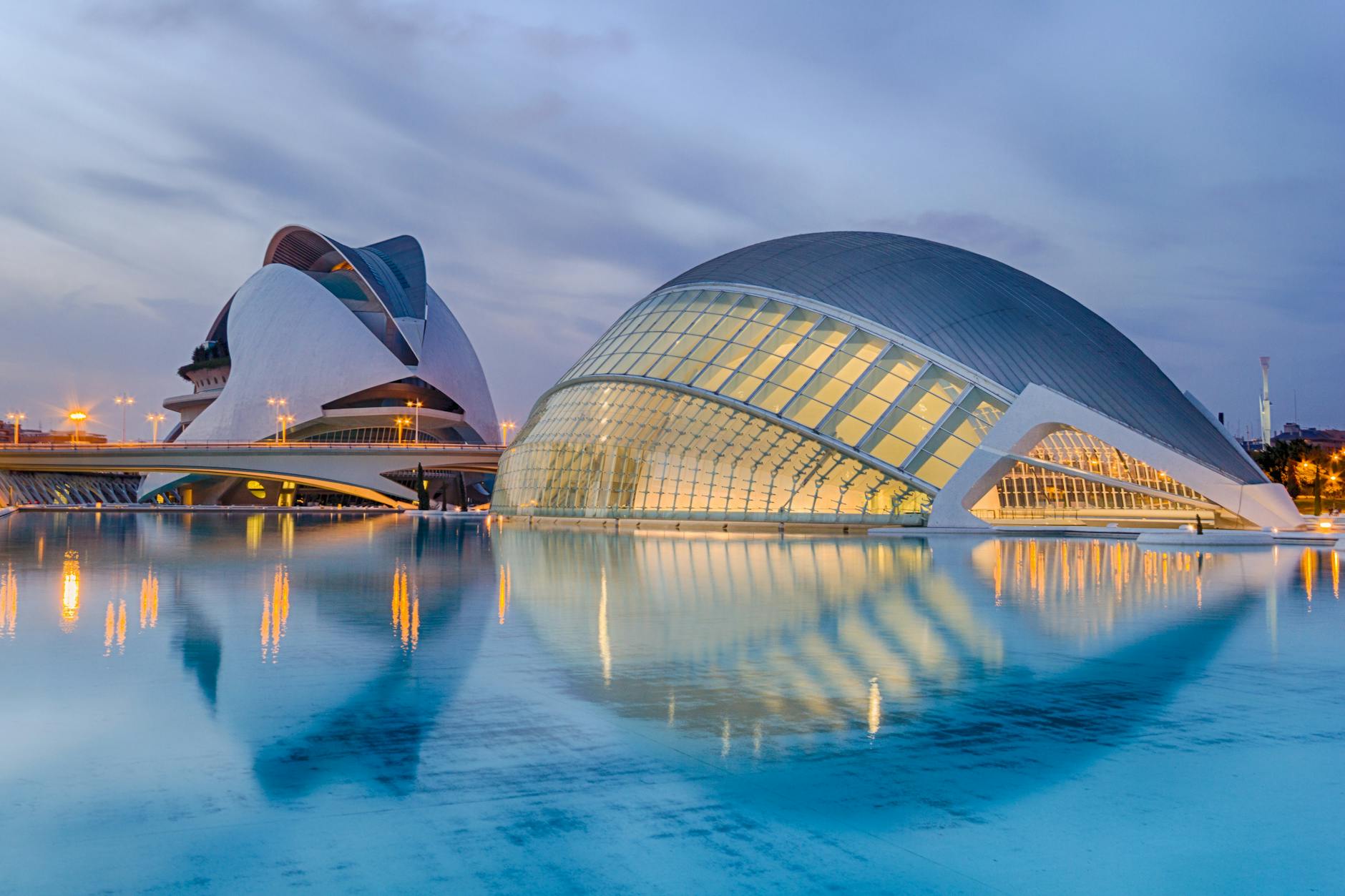
When you think of building materials for architecture, you might picture traditional choices like concrete, wood, steel, or glass. But tucked behind the scenes — and sometimes proudly on display — is a powerful, flexible material that’s reshaping how we build: fiberglass.
What is Fiberglass?
Fiberglass, or glass fiber reinforced plastic (GFRP), is made by weaving fine glass fibers into a fabric and binding them with a plastic resin. The result is a lightweight, incredibly strong, and corrosion-resistant material that can be molded into virtually any shape or texture.
Originally developed for industrial applications, fiberglass quickly gained favor across many fields — and architecture is no exception.
How Fiberglass is Used in Architecture
Fiberglass offers unique advantages that make it an increasingly popular material for modern architectural designs:
1. Facades and Cladding
Fiberglass panels can mimic stone, wood, metal, or even abstract textures — offering creative freedom without the weight and cost.
Because fiberglass doesn’t corrode or warp, it’s perfect for exterior cladding systems that need to survive harsh weather while maintaining a pristine appearance.
Examples:
- Sculptural facades on museums and art centers
- Textured or patterned cladding on skyscrapers
- Lightweight siding for renovations of older buildings
2. Structural Components
With excellent strength-to-weight ratios, fiberglass components can reinforce structures or stand alone. Beams, columns, and trusses made of fiberglass reduce load stresses and enable innovative, gravity-defying designs.
Examples:
- Support structures for canopies or awnings
- Load-bearing elements in modular buildings
- Reinforcements in bridges and walkways
3. Domes and Roof Systems
Fiberglass’s moldability shines in complex, curved structures like domes and freeform roofs. Traditional building materials struggle to create these organic shapes without tremendous expense — but fiberglass panels can be factory-molded with precision.
Examples:
- Architectural domes on religious buildings
- Curved, flowing roofs for amphitheaters or pavilions
- Transparent or semi-transparent skylights
4. Interior Design Elements
Inside buildings, fiberglass is often used for ceilings, decorative panels, staircases, and artistic installations. It can be colored, textured, or left translucent for beautiful lighting effects.
Examples:
- Sculptural walls in corporate lobbies
- Complex geometrical ceilings in hotels or museums
- Seamless, flowing staircases
Why Choose Fiberglass in Architecture?
- Lightweight: Much lighter than steel or concrete, making transportation and installation easier and less expensive.
- Durable: Resistant to corrosion, rot, UV radiation, and weathering.
- Moldable: Can be formed into complex shapes that would be difficult or impossible with traditional materials.
- Low Maintenance: Once installed, fiberglass elements require minimal upkeep compared to wood or metal.
- Energy Efficiency: Insulative properties can contribute to overall building efficiency.
- Aesthetic Flexibility: Can simulate many different materials or be made into bold, futuristic designs.
Iconic Examples of Fiberglass in Architecture
- The Eden Project (Cornwall, UK): Giant biomes made from ETFE panels and fiberglass structures.
- The Sage Gateshead (England): A music venue with a flowing, organic roof supported in part by fiberglass components.
- Contemporary Art Museums: Many modern art museums use fiberglass for their facades and interior features because of its creative flexibility.
Conclusion
Fiberglass has quietly become a modern marvel in architectural design. Offering a combination of strength, versatility, and beauty, it’s helping architects dream bigger, bolder, and more creatively.
As technology advances and sustainability becomes even more critical, expect to see fiberglass take on an even greater role — shaping the skylines of tomorrow with artistry and innovation.
This post was created using Generative AI; information may be inaccurate.