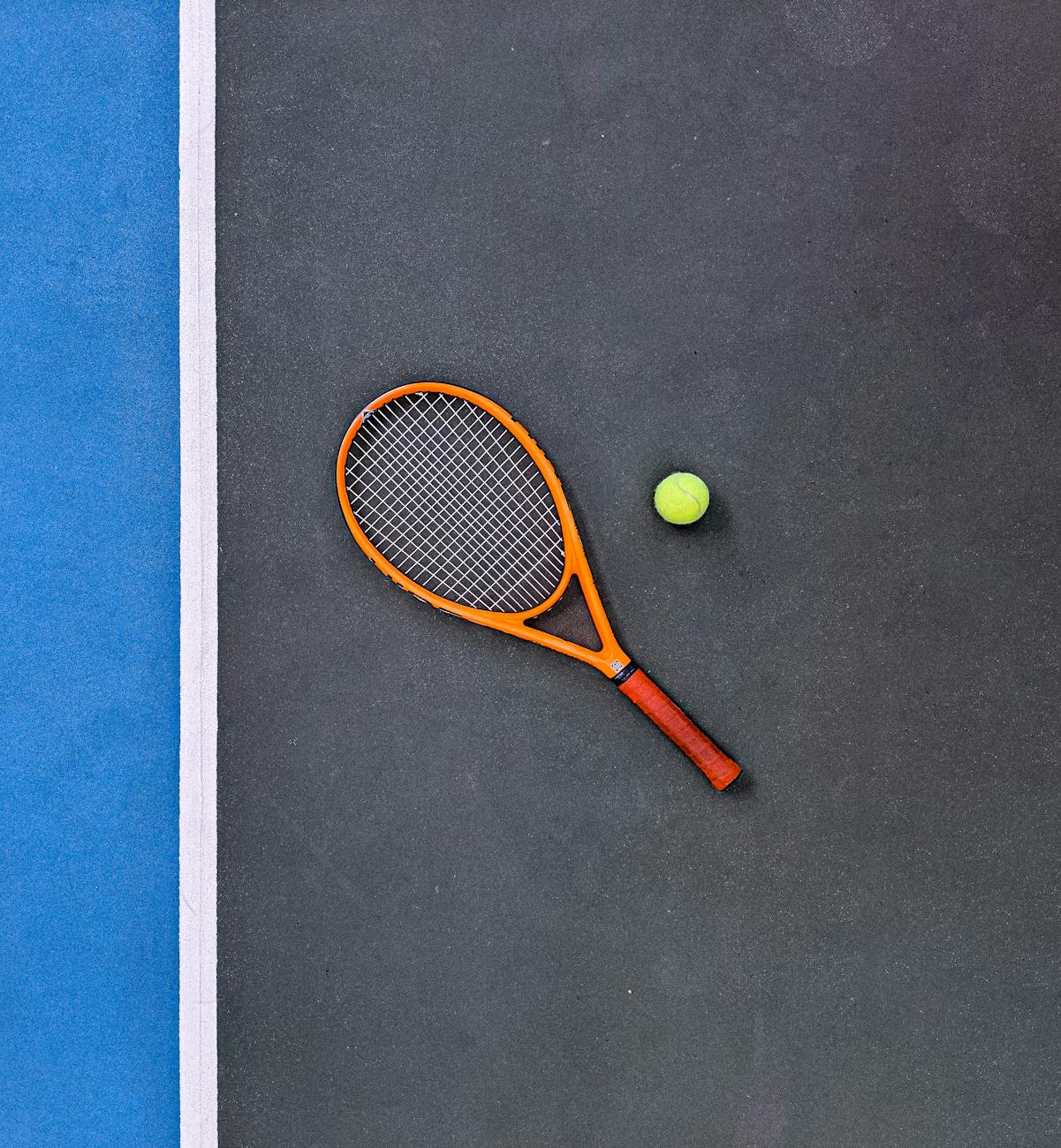
When you think of tennis, what comes to mind? Maybe it’s the thunderous crack of a serve, the crisp bounce of a ball on clay or hardcourt, or the iconic image of athletes rallying with lightning-fast reflexes. But behind the scenes of this elegant sport is a quiet game-changer: fiberglass.
🎾 What Is Fiberglass and Why Is It in Tennis?
Fiberglass is a composite material made from thin strands of glass woven together and bonded with resin. It’s strong, lightweight, corrosion-resistant, and—most importantly for tennis—incredibly flexible.
Fiberglass has found its way into several key areas in tennis, from racket construction to training equipment and even court infrastructure. Let’s break down its influence on the sport:
🏸 1. Tennis Rackets: The Rise of the Composite Era
While wooden rackets dominated the early decades of tennis, the 1970s and 1980s brought a revolution with the introduction of composite materials—and fiberglass was at the heart of it.
- Fiberglass was often blended with graphite or carbon fiber to create rackets that were lighter, more durable, and offered greater control.
- Its flexibility and vibration dampening made it a favorite among players seeking comfort without sacrificing power.
- Some entry-level and intermediate rackets today still use fiberglass blends because of their affordable cost and playability.
🔍 Did You Know? Many junior rackets and recreational models incorporate fiberglass to make the game more accessible and comfortable for developing players.
🏋️ 2. Training Aids and Accessories
Fiberglass is also used in the construction of training tools like:
- Ball rebounders: Fiberglass rods form the flexible frames of many portable rebounders that players use to practice solo.
- Target rings and cones: Durable, lightweight fiberglass allows for easy transport and setup during drills.
- Court dividers and net supports: Fiberglass poles are favored for being rust-proof, safe to handle, and flexible under tension.
🏟️ 3. Infrastructure and Courtside Applications
Beyond the racket and training tools, fiberglass has made its mark around the court:
- Net posts: Some high-performance or portable net systems use fiberglass posts for their strength and weather resistance.
- Benches and fencing: Fiberglass-reinforced plastic (FRP) is used to make courtside furniture and enclosures that withstand harsh weather conditions and UV exposure.
✅ Benefits of Using Fiberglass in Tennis Equipment
- Lightweight: Helps reduce fatigue, especially in younger or recreational players.
- Durability: Outlasts wood or metal in many outdoor conditions.
- Shock Absorption: Reduces vibration for a more comfortable playing experience.
- Cost-Effective: Especially in hybrid rackets or training tools for beginners.
🔮 The Future of Fiberglass in Tennis
As tennis continues to evolve, fiberglass remains an important part of the material mix. While advanced pros may lean toward graphite-dominant rackets for stiffness and responsiveness, fiberglass still plays a vital role in player development, accessibility, and innovation in auxiliary equipment.
Emerging technologies might combine fiberglass with smart materials for rackets that provide feedback or eco-friendly resins that reduce the sport’s environmental footprint.
🎾 Conclusion: A Silent Champion of the Game
Though it may not get the spotlight like a Grand Slam winner, fiberglass continues to serve tennis in quiet, crucial ways. From making the sport more affordable and accessible to improving equipment comfort and longevity, fiberglass proves that sometimes, the unsung materials make the biggest impact.
This post was created using Generative AI; information may be inaccurate.